Istanbul's Transport Planners Divided Over Future of Bosphorus Crossings and Metro Expansion
As city officials and infrastructure experts debate competing visions for mobility, residents and commuters face years of disruption ahead.
As city officials and infrastructure experts debate competing visions for mobility, residents and commuters face years of disruption ahead.
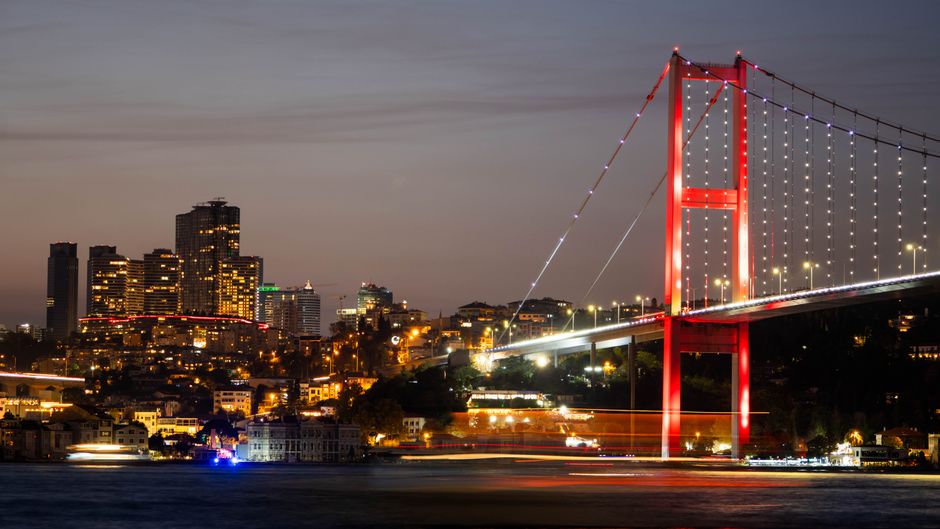
Istanbul's transport infrastructure stands at a critical juncture, with senior officials and urban planning experts offering starkly different assessments of how the city should manage congestion and urban mobility over the next decade.
The debate intensifies around three major projects: the proposed fourth Bosphorus crossing, the ongoing Metro Line expansion toward Başakşehir, and potential Bus Rapid Transit (BRT) improvements along the E-5 highway corridor that cuts through Fatih and Beyoğlu districts.
Metropolitan Municipality officials have consistently emphasized the urgency of expanding public transport capacity. Data released this quarter shows daily commuter volumes on existing Metro lines averaging 3.2 million trips, with peak-hour congestion on the Marmaray rail link—which carries 750,000 passengers daily—reaching saturation levels. Officials argue that without significant infrastructure investment, Istanbul risks losing economic competitiveness among global cities.
However, urban planning experts from Istanbul Technical University and Boğaziçi University have raised concerns about the environmental and social costs of some proposed solutions. Academics studying the potential fourth bridge project have questioned whether additional Bosphorus crossings adequately address underlying mobility problems, pointing instead to underutilized existing infrastructure and incomplete metro connections in peripheral districts like Esenyurt and Çekmeköy.
The Metro expansion toward Başakşehir represents a more consensus position among stakeholders. Transit authorities project the extension will serve approximately 400,000 residents currently dependent on minibus networks and personal vehicles. Expected completion is 2029, though construction along the congested Vatan Caddesi and through residential Zeytinburnu has already drawn complaints from business owners and residents.
Environmental consultants have raised separate concerns about the BRT proposal's impact on the historic streetscapes of neighborhoods like Balat and Fener. A June report from the Chamber of Urban Planners recommended comprehensive traffic management strategies before committing to corridor-specific projects.
Transport economist Dr. Mehmet Çetin of Marmara University emphasized in recent presentations that integrated planning—rather than single mega-projects—offers better long-term solutions. He noted that Istanbul's road network carries 89 percent of trips despite comprising only 12 percent of transport infrastructure investment.
City officials have acknowledged the complexity, with the Metropolitan Municipality promising enhanced stakeholder consultation on all three projects through the coming year. Budget allocations for 2026-27 will likely clarify which initiatives receive priority, though no formal announcements have been made.
Meanwhile, commuters continue navigating daily gridlock, with average journey times from Anatolian-side districts to city center remaining stubbornly high at 45-90 minutes during peak hours.
This article was compiled by AI from the sources linked above and screened before publishing. See our editorial standards.
How does this story make you feel?
Spread the word
About this article
Published by The Daily Istanbul
Daily brief
Free, in your inbox before 7am. Weekdays.
More in News