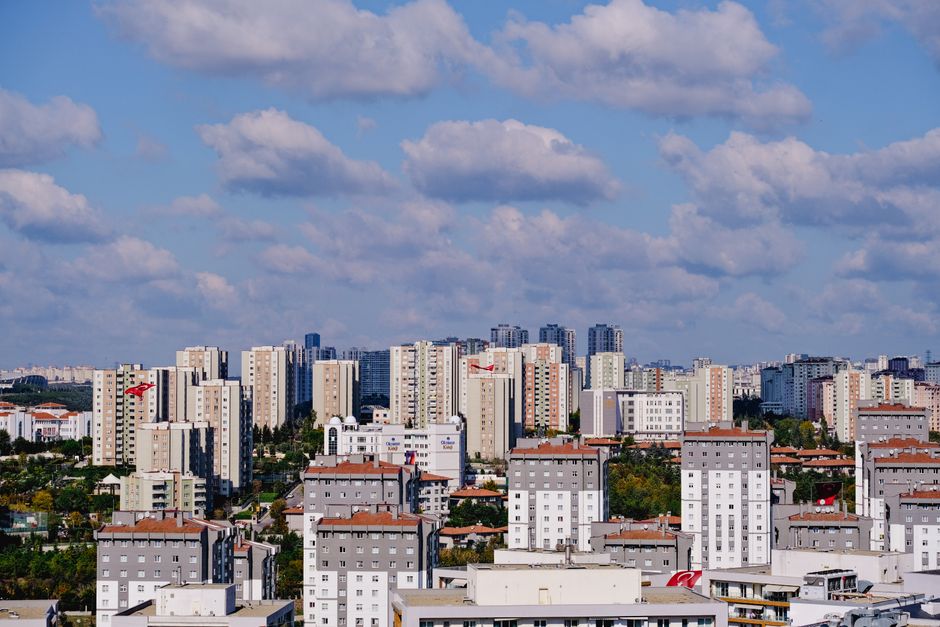
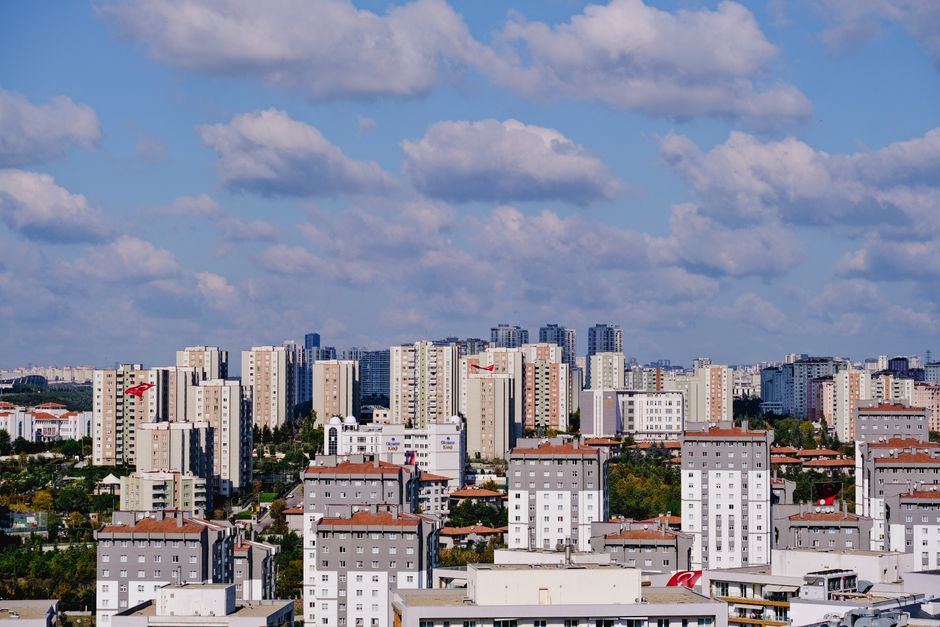
The narrow cobblestone streets of Balat, where Ottoman-era townhouses lean against one another like tired old friends, have become ground zero for Istanbul's latest urban transformation. Over the past eighteen months, property values in the neighbourhood have surged by nearly 40 percent, according to local real estate data, prompting both investment enthusiasm and deep anxiety among residents who have called this waterfront district home for generations.
The municipality's latest zoning amendments, unveiled in May, allow for mixed-use development projects up to twelve storeys in previously restricted residential zones. While city planners emphasise infrastructure improvements and cultural preservation efforts, residents of Balat, Fener, and neighbouring Ayvansaray are mobilising to challenge what they see as a blueprint for displacement.
"My grandfather opened his spice shop on Balat Street in 1967," says Mehmet Demir, who runs a traditional Turkish coffee roastery near the historic Balat Mosque. "Now developers are offering prices we can't refuse, but they're also prices that guarantee no one from our community can afford to stay." Demir, like many in the neighbourhood, worries that the renewed investment will price out the very artisans and families whose cultural character makes Balat attractive to outsiders in the first place.
The Balat Community Association, established in 2019, has organised monthly neighbourhood forums to discuss planning proposals. Their latest petition, delivered to the Fatih District Municipality office on Şehremini Street, gathered over 2,400 signatures opposing accelerated development without mandatory affordable housing requirements. Turkish housing regulations typically lack rent control mechanisms, leaving long-term tenants vulnerable.
Istanbul's housing shortage is undeniable. The city's population exceeded 16 million by 2025, with property prices in central districts now averaging 85,000 Turkish Lira per square metre—a tenfold increase since 2010. Yet residents argue that solutions shouldn't come at the expense of established communities.
Ayşe Kara, coordinator of the local Balat Cultural Heritage Initiative, points to successful models elsewhere. "Barcelona, Prague, Vienna—they've managed to attract investment while protecting resident rights through rent control, community benefit agreements, and mandatory percentage requirements for affordable units," she explains.
The municipality has scheduled public hearings for July 15th at the Fatih District Assembly. Community organisers are preparing detailed counter-proposals, hoping to prove that sustainable urban renewal requires more than municipal blueprints—it requires genuine dialogue with the people whose lives depend on the outcome.
This article was compiled by AI from the sources linked above and screened before publishing. See our editorial standards.