Istanbul's Transport Future: What City Officials and Infrastructure Experts Say About the Next Phase
As metro expansions and harbour redevelopment plans advance, decision-makers outline the vision—and challenges—facing Europe's largest metropolis.
As metro expansions and harbour redevelopment plans advance, decision-makers outline the vision—and challenges—facing Europe's largest metropolis.
Istanbul's transport infrastructure landscape is entering a critical phase, with major projects reshaping how millions of residents and visitors move across the city. Senior officials and urban planners are increasingly vocal about both the ambitions and obstacles ahead, offering rare clarity into the strategic direction of transport policy through 2030.
The Metropolitan Municipality's continued focus on metro expansion remains a cornerstone of public messaging. The recent extensions toward Göktürk and the ongoing work on the airport-linked line continue to draw cautious optimism from transit specialists, though concerns about integration and operational capacity loom large. The city's transport authority has flagged that integrating these systems with existing rail networks—particularly around Sirkeci and the Bosphorus crossings—presents unprecedented logistical challenges that officials describe as "complex but manageable."
One striking theme emerging from recent policy discussions is the emphasis on mixed-use transport corridors. Officials increasingly stress that traditional metro-only thinking is outdated for a city facing Istanbul's geographic and demographic pressures. The proposed tram extensions through Bakırköy and the Bus Rapid Transit improvements along the E-5 highway reflect this shift toward integrated mobility planning. Experts consulted by the municipality have highlighted that surface transport, historically neglected in favour of underground solutions, now accounts for roughly 60 percent of daily commutes across the metropolitan area.
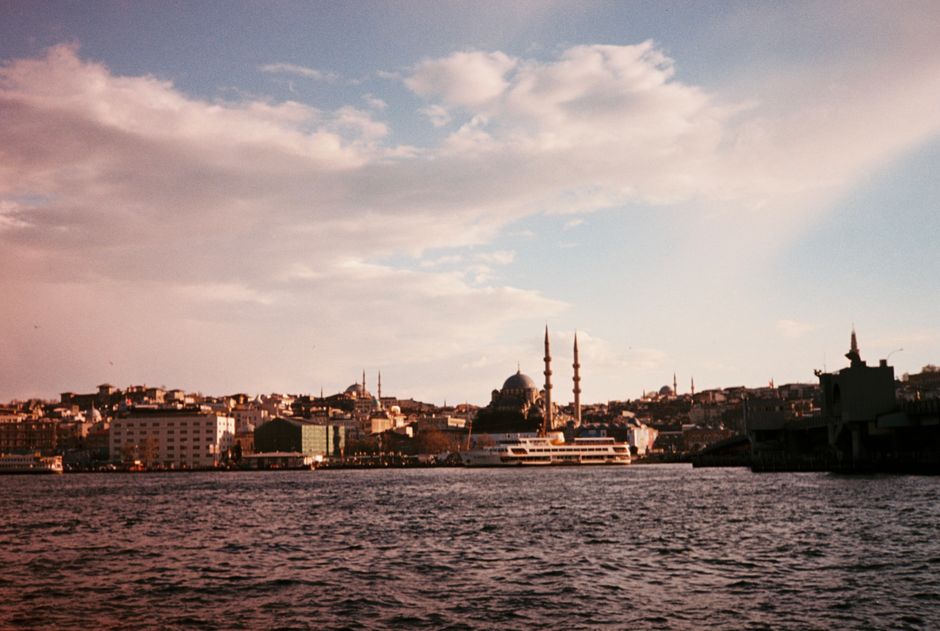
The Galata Port and Karakoy waterfront developments have sparked particularly intense debate among infrastructure specialists and environmental advocates. While port authority representatives emphasize modernisation and economic benefits, maritime engineers raise questions about congestion management and the environmental impact of increased ferry traffic through the Golden Horn—an area already managing significant vessel movement.
Financial sustainability has emerged as a central concern in recent statements from both municipal leadership and independent transport analysts. The cost of maintaining aging infrastructure while simultaneously funding new projects has forced difficult conversations about pricing structures and subsidy models. Officials acknowledge that current transit fares—averaging around 15 Turkish lira per journey—likely cannot sustain the system long-term without efficiency improvements or adjusted revenue models.
Perhaps most significantly, city planners are increasingly articulate about the relationship between transport investment and urban sprawl. Experts warn that poorly coordinated metro expansion could accelerate peripheral development around stations, creating new commuting pressures rather than relieving existing ones. This recognition suggests future infrastructure decisions may place greater emphasis on densification near existing transit hubs rather than pure network expansion.
As Istanbul approaches mid-2026, the consensus among officials and specialists appears to be one of cautious momentum: ambitious targets are achievable, but only with sustained funding, integrated planning, and willingness to make difficult trade-offs between expansion speed and project quality.
This article was compiled by AI from the sources linked above and screened before publishing. See our editorial standards.
How does this story make you feel?
Spread the word
About this article
Published by The Daily Istanbul
Daily brief
Free, in your inbox before 7am. Weekdays.
More in News