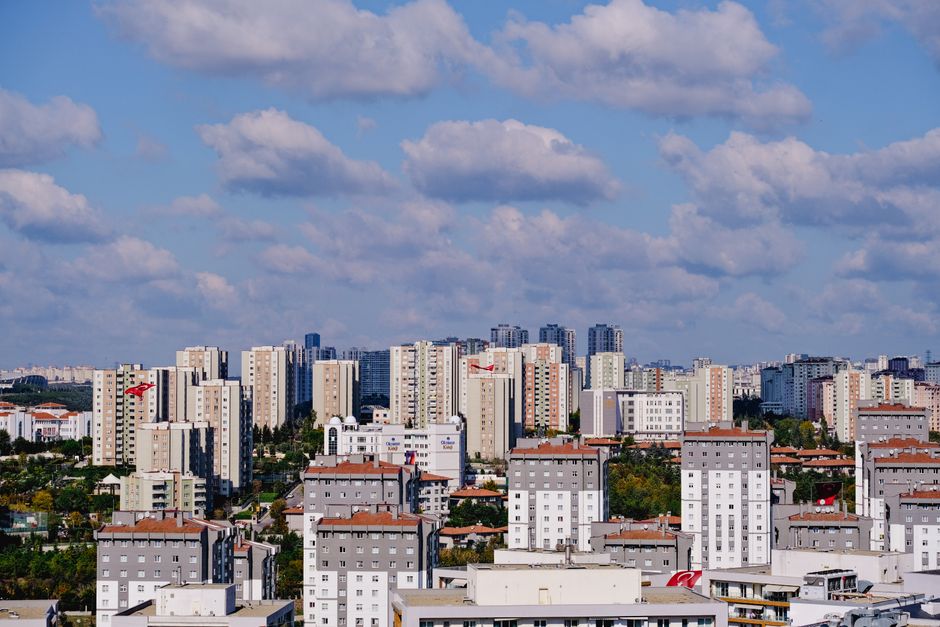
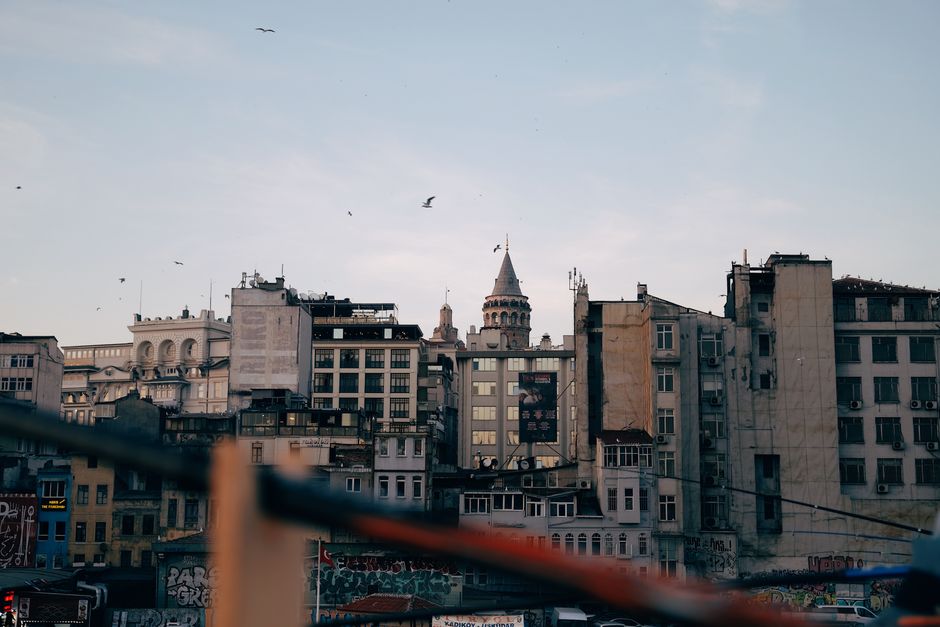
Housing affordability has emerged as the defining challenge for Istanbul's neighbourhood communities, with local officials and administrators warning that the city risks losing its social fabric unless rapid intervention takes place.
The Fatih neighbourhood council, which oversees one of Istanbul's oldest and most densely populated districts, has documented a sharp acceleration in rental increases. According to data presented at last month's community forum, average monthly rents in the historic district have climbed 34 per cent since 2024, with two-bedroom apartments now commanding between 18,000 and 24,000 Turkish lira—pricing out families who have lived there for generations.
"We are seeing entire mahalle structures collapse," said a representative from the Beyoğlu District Municipality during a June public consultation on urban planning. Officials there reported that traditional shopkeepers along İstiklal Avenue and the side streets of Çukurcuma are relocating to outer districts, replaced by international chains and tourist-oriented businesses. The municipality has begun documenting these shifts as part of a broader cultural preservation initiative.
Kadıköy's neighbourhood associations have taken a different approach, establishing a grassroots registry of available community housing. Local figures working with the Kadıköy Chamber of Commerce emphasized that mixed-income neighbourhoods require deliberate policy support. "Without intervention, we become dormitory zones for commuters rather than living communities," they stated during a neighbourhood assembly in early June.
The Istanbul Metropolitan Municipality acknowledged these concerns in a recent statement, noting that housing density in central districts has reached 12,000 people per square kilometre in some areas—nearly triple the city average. Officials indicated they are reviewing zoning regulations and exploring partnerships with housing cooperatives, though critics say progress has been glacially slow.
Community leaders in Üsküdar and Şişli have separately raised alarms about the loss of local identity. Small grocers, family-run restaurants, and neighbourhood gathering spaces—once anchors of social cohesion—are closing at an estimated rate of 200 businesses per year across central Istanbul, according to merchant associations.
What emerges from these official statements and expert assessments is a consensus that Istanbul's rapid gentrification, while economically productive, demands managed transition. Neighbourhood administrators are calling for rent-stabilization pilots, incentives for local businesses, and mandatory affordable-housing quotas in new developments. Whether the city's higher authorities will act before the character of historic neighbourhoods becomes irreversibly altered remains an open question as summer approaches.
This article was compiled by AI from the sources linked above and screened before publishing. See our editorial standards.