Balat's Community Centre Expansion Shows How Local Investment Transforms Neighbourhoods
A new cultural hub in Istanbul's historic district is reshaping how residents connect, access services, and build resilience in an increasingly fragmented city.
A new cultural hub in Istanbul's historic district is reshaping how residents connect, access services, and build resilience in an increasingly fragmented city.
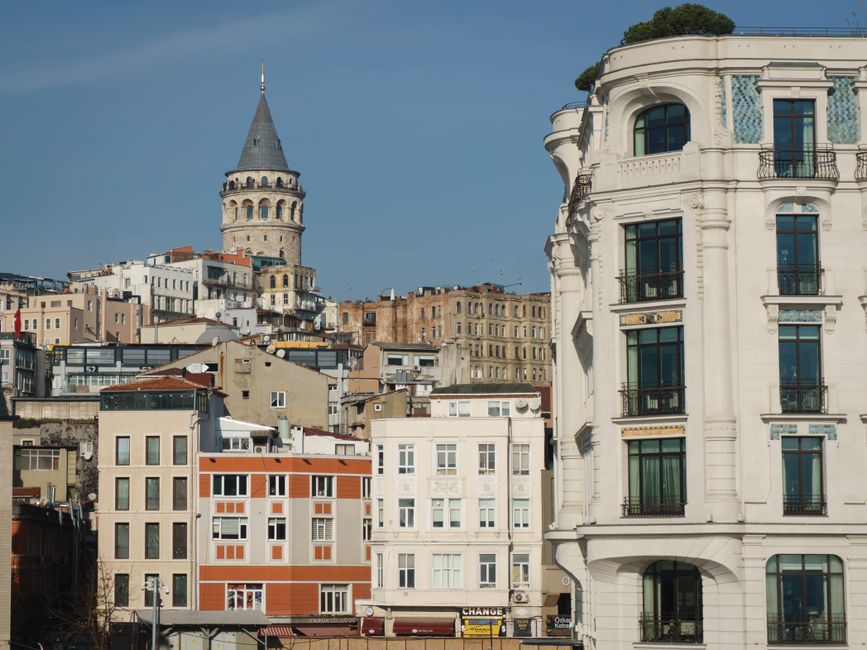
When the Balat Community Centre officially opens its expanded premises on Kara Mustafa Paşa Street next month, it will mark more than just a renovation project. For residents of this densely populated historic neighbourhood, it represents a rare investment in the social infrastructure that binds communities together—something urban planners increasingly recognise as essential to city health.
The expansion, which doubles the centre's capacity from 150 to over 300 daily visitors, comes at a moment when Istanbul's rapid gentrification and migration patterns have strained neighbourhood cohesion. Balat, home to approximately 12,000 residents across its narrow lanes, has seen rising rents push out long-term families while attracting younger professionals and students. This demographic shift has fragmented traditional community bonds.
"The centre serves as the neighbourhood's nervous system," explains Halil Durdu, who manages the facility's youth programmes. "When families can access affordable childcare, job training, and language courses in their own district, they're more likely to stay engaged and invest in their surroundings."
Data from the Istanbul Metropolitan Municipality shows that neighbourhoods with active community centres report 23 percent higher volunteerism rates and 18 percent lower social isolation among residents over 65. For Balat specifically, the centre currently reaches approximately 2,400 families annually through educational programmes, healthcare clinics, and emergency assistance—figures that are expected to nearly double with the expansion.
The project also addresses practical concerns. A new health clinic will offer preventive services and vaccinations at subsidised rates—crucial given that healthcare costs in Istanbul have risen 34 percent since 2023. Three additional classrooms will accommodate the waiting list for Turkish language courses, which currently serves migrants and refugees from across the Middle East and Central Asia.
Perhaps most significantly, the expansion includes a shared kitchen and food bank, responding to residents' direct feedback about food security. With average monthly rent in Balat now exceeding 8,500 lira for a modest two-bedroom apartment—a 41 percent increase since 2022—such services have become necessities rather than amenities.
The project's success will be closely watched by other Istanbul districts facing similar pressures. In neighbourhoods like Fatih, Eyüp, and Avcılar, local leaders are already requesting similar investment, recognising that community centres aren't luxuries but infrastructure that prevents social fragmentation. As Istanbul continues to grow and shift, these gathering spaces increasingly determine whether neighbourhoods remain communities or simply become collections of individual households.
This article was compiled by AI from the sources linked above and screened before publishing. See our editorial standards.
How does this story make you feel?
Spread the word
About this article
Published by The Daily Istanbul
Daily brief
Free, in your inbox before 7am. Weekdays.
More in News