How Istanbul's Housing Crisis Became a Crisis: Tracing Three Decades of Planning Failures
From the Golden Horn's industrial decline to Beyoğlu's gentrification wars, the city's current affordability nightmare didn't happen overnight.
From the Golden Horn's industrial decline to Beyoğlu's gentrification wars, the city's current affordability nightmare didn't happen overnight.
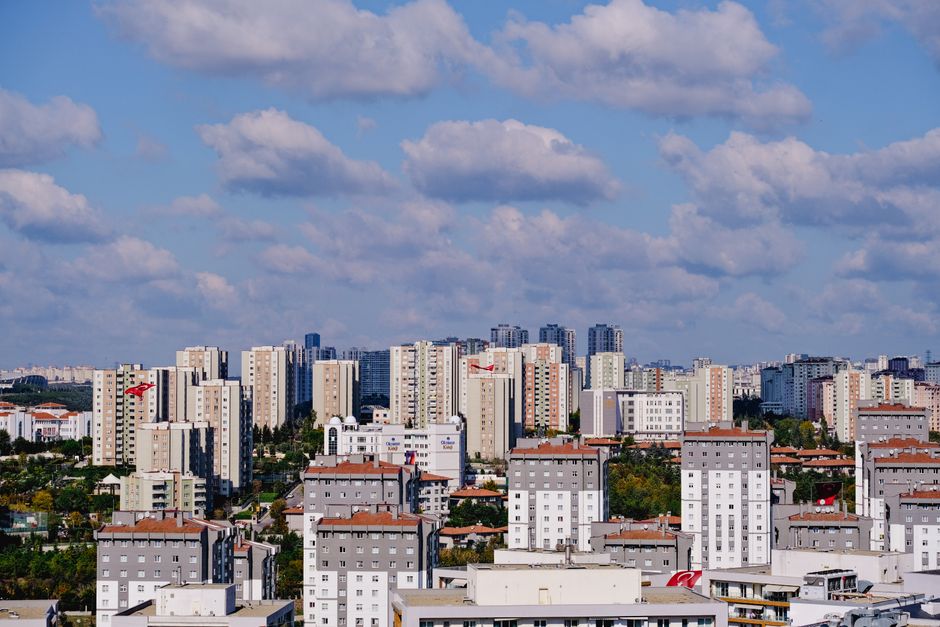
Istanbul's housing affordability crisis didn't materialise in a vacuum. To understand why a modest two-bedroom apartment in Cihangir now commands upwards of 12 million Turkish lire, or why young families are being pushed further into the outer reaches of Çekmeköy and Sancaktepe, we must trace the policy decisions and urban transformations that created today's impossible market.
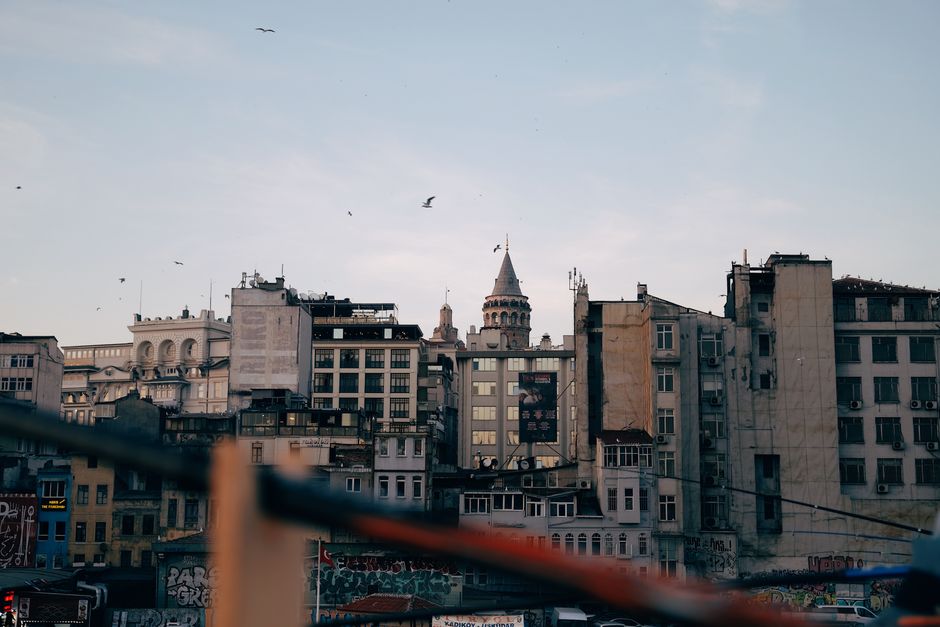
The roots stretch back to the 1990s, when Istanbul began its transformation from an industrial port city to a global financial hub. The closure and relocation of factories along the Golden Horn—once the city's economic spine—created vast swathes of developable waterfront. Rather than prioritising mixed-income housing, municipal authorities sold or leased these prime parcels to private developers. The Galata Port revitalisation and similar projects attracted international capital but priced out longtime residents. By 2005, property values in neighbourhoods like Beyoğlu had quadrupled.
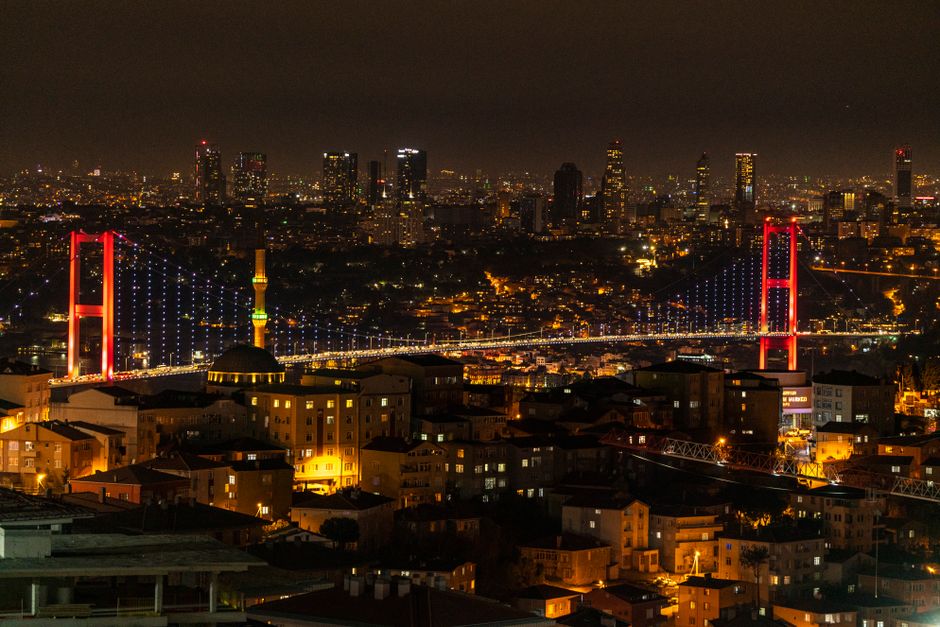
A second critical juncture came with Istanbul's bid to host the 2020 Olympics. The metropolitan municipality's development strategy focused on flagship projects—the third bridge across the Bosphorus, expanded metro networks, and massive shopping centres—rather than housing supply. While these infrastructure projects attracted investment and tourism, they also accelerated land speculation. Property owners held assets expecting appreciation rather than rental income, artificially constraining the housing stock.
The third wave arrived after 2015. Rapid urban renewal projects in districts like Fatih and Sulaymaniye displaced low-income communities, often without adequate relocation support. Simultaneously, short-term rental platforms transformed residential neighbourhoods into tourist zones. A 2024 municipal survey suggested that roughly 40,000 properties in central Istanbul are used predominantly for tourist accommodation—properties that might otherwise house residents.
Recent administrations have attempted corrections. New zoning regulations in 2023 aimed to increase residential density near transit hubs like Levent and Maslak. Yet these measures remain insufficient. The Turkish Central Bank's inflation data shows housing costs have risen 340% over the past eight years, vastly outpacing wage growth.
Today's crisis reflects choices made across three decades: prioritising commercial development over residential supply, allowing speculative investment to distort markets, and treating housing as a commodity rather than a necessity. Understanding this trajectory is essential as the city grapples with whether new housing policies will finally break the cycle or simply postpone the reckoning.
This article was compiled by AI from the sources linked above and screened before publishing. See our editorial standards.
How does this story make you feel?
Spread the word
About this article
Published by The Daily Istanbul
Daily brief
Free, in your inbox before 7am. Weekdays.
More in News