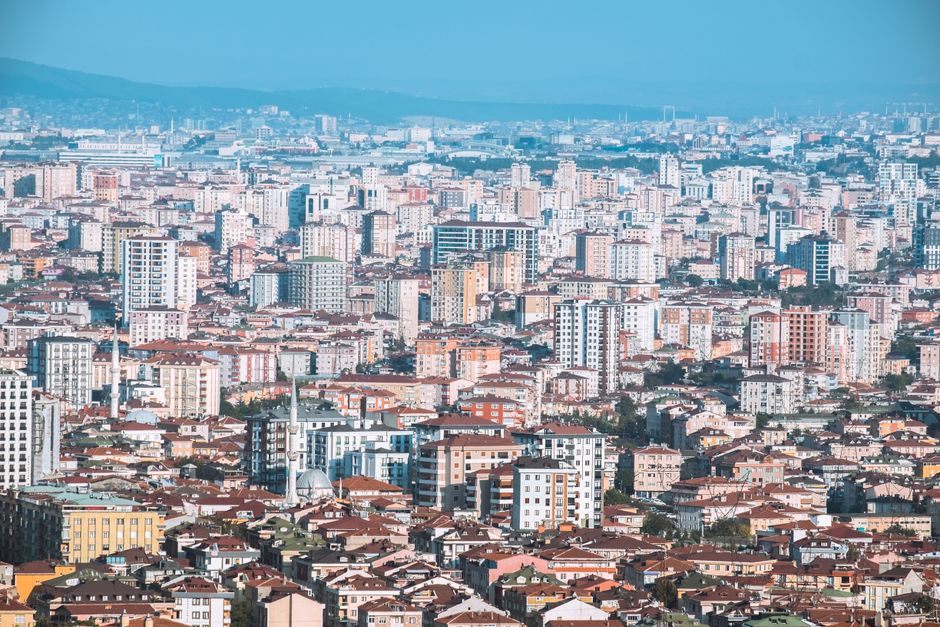
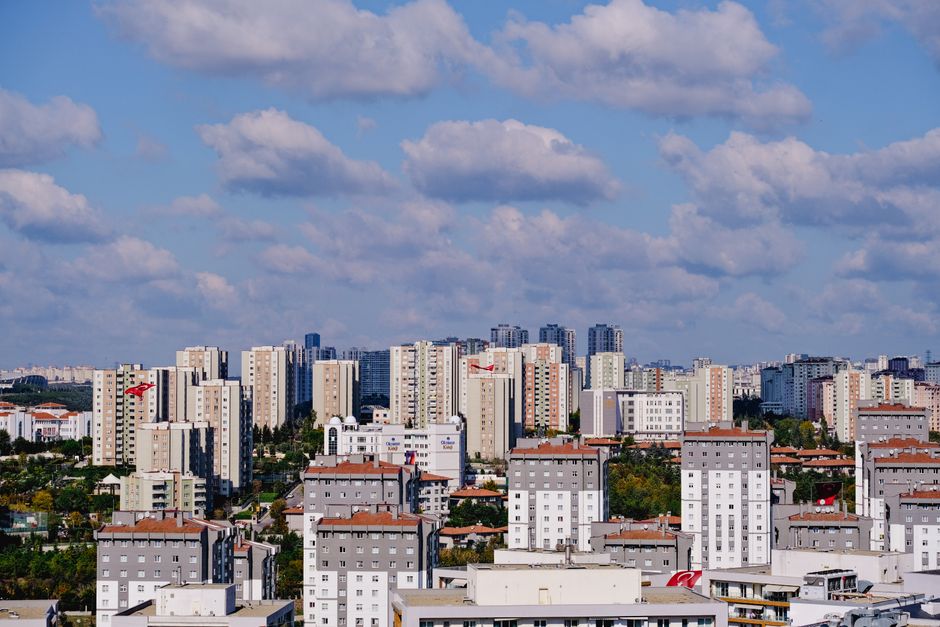
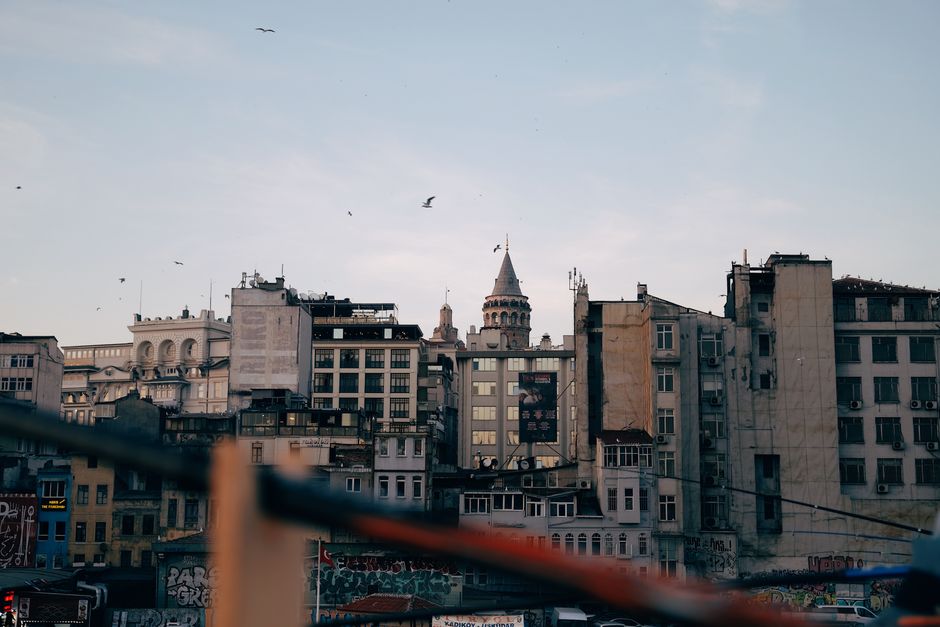
Istanbul stands at a crossroads. With nearly 16 million residents sprawling across the Bosphorus, the city faces mounting pressure to reconcile rapid urban growth with environmental stewardship. In recent weeks, officials and environmental experts have begun articulating a more coordinated vision for the city's sustainability trajectory.
The Istanbul Metropolitan Municipality has signalled renewed commitment to reducing air pollution, which regularly pushes the air quality index into unhealthy ranges, particularly around industrial zones in Gebze and along the Golden Horn waterfront. Officials point to the expansion of the metro system—now reaching into Bakırköy and extending toward Başakşehir—as a cornerstone strategy to reduce vehicle emissions that contribute to the city's chronic smog problems.
Dr. Levent Kurnaz, a climate scientist at Boğaziçi University, emphasises the urgency of addressing waste management in the densely populated neighbourhoods of Fatih and Beyoğlu. "Istanbul generates approximately 30,000 tonnes of municipal waste daily," he noted in recent remarks to local media. "Without systemic change in collection and recycling infrastructure, we're simply displacing the problem." The city has committed to increasing waste separation rates from current levels, though specific timelines remain contested among stakeholders.
Green space expansion represents another focal point. Officials have highlighted plans to enhance parks in areas like Maslak and Levent, where commercial density has historically squeezed recreational areas. The revitalisation of the Pierre Loti waterfront area in Eyüp reflects broader efforts to reclaim public spaces while improving water quality in the Golden Horn—long a symbol of the city's environmental challenges.
Private sector voices are increasingly vocal too. Representatives from Istanbul's shipping and logistics industries, centred around the Port of Haydarpasa and container terminals in Tuzla, have acknowledged their role in air and water pollution. Some have pledged investment in cleaner fuel technologies, though critics argue commitments lack enforceability.
The Istanbul Environmental Consultants Association has called for stronger municipal oversight, particularly regarding construction projects in sensitive areas like the Belgrade Forest watershed and coastal zones. "The frameworks exist on paper," one representative stated, "but implementation gaps persist."
As Istanbul navigates these competing pressures—economic growth, population density, and ecological survival—the conversation among decision-makers is shifting. Whether rhetoric translates into measurable improvements remains the critical question hanging over the city's environmental future.
This article was compiled by AI from the sources linked above and screened before publishing. See our editorial standards.