Istanbul's Universities Shift Focus as New Academic Year Looms: This Week's Education Developments
Boğaziçi and Marmara University announce curriculum reforms while Beyoğlu district school networks expand capacity ahead of September 2026.
Boğaziçi and Marmara University announce curriculum reforms while Beyoğlu district school networks expand capacity ahead of September 2026.
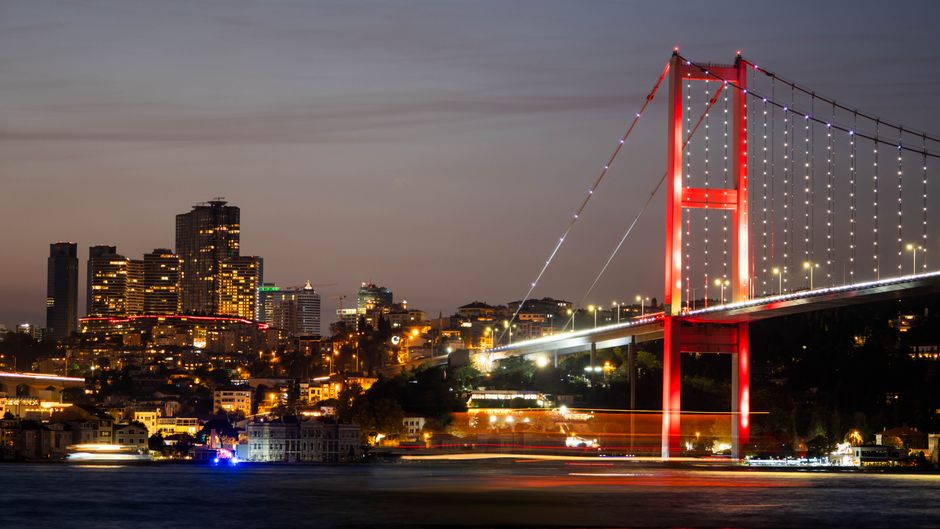
Istanbul's education sector is undergoing significant changes as institutions prepare for the 2026-2027 academic year, with several major developments announced this week reshaping how the city's students will learn.
Boğaziçi University's engineering faculty, housed in its historic Bebek campus overlooking the Bosphorus, has unveiled a restructured curriculum emphasizing artificial intelligence integration across disciplines. The initiative, announced Monday, will see 40 per cent of core courses redesigned to include AI literacy modules—a move reflecting Turkey's broader push to compete in technology sectors. Tuition for domestic engineering programmes remains approximately 50,000 Turkish lira annually, though the university has indicated modest increases for graduate programmes starting next term.
Meanwhile, Marmara University's Istanbul campus in Kadıköy has expanded its online education offerings, now covering 15 additional bachelor's programmes. The development addresses capacity constraints at their physical facilities, with the university reporting a 22 per cent increase in applications this cycle. Officials noted that remote learning options have attracted working professionals seeking evening and weekend scheduling.
In Beyoğlu district, the municipal education authority confirmed completion of two new state school buildings on Istiklal Avenue's northern periphery, adding approximately 800 student places across primary and secondary levels. This expansion comes as central Istanbul neighbourhoods experience continued demographic shifts, with young families increasingly settling in renovated districts bordering the Golden Horn.
The Istanbul Metropolitan Municipality also announced this week that 18 public schools across Fatih and Sultanahmet will receive extensive renovations throughout summer, targeting completion before September. Projects include modernised science laboratories, updated heating systems, and improved accessibility infrastructure—investments totalling roughly 45 million lira.
Private sector engagement has also intensified. Koç University's graduate business school launched a new executive MBA programme focused on sustainability and urban development, targeting mid-career professionals in Istanbul's real estate and technology sectors. Programme fees start at 120,000 dollars.
Education observers note these developments reflect broader patterns: Istanbul's universities increasingly compete internationally while addressing domestic capacity pressures. With the city's population exceeding 16 million, demand for quality education consistently outpaces supply, driving both institutional innovation and infrastructure investment.
As families prepare for the new academic year, these changes signal that Istanbul's education landscape—from primary schools in historic neighbourhoods to prestigious universities along the Bosphorus—continues reshaping itself to meet contemporary demands.
This article was compiled by AI from the sources linked above and screened before publishing. See our editorial standards.
How does this story make you feel?
Spread the word
About this article
Published by The Daily Istanbul
Daily brief
Free, in your inbox before 7am. Weekdays.
More in News