Istanbul's emergency services infrastructure is facing a defining moment. With summer tourism season in full swing and reported incidents of petty theft and organised crime climbing 18 percent in central districts compared to last year, police commanders, municipal leaders, and the Istanbul Metropolitan Municipality are confronting hard decisions about how to protect residents and visitors across the sprawling megacity of 15 million.
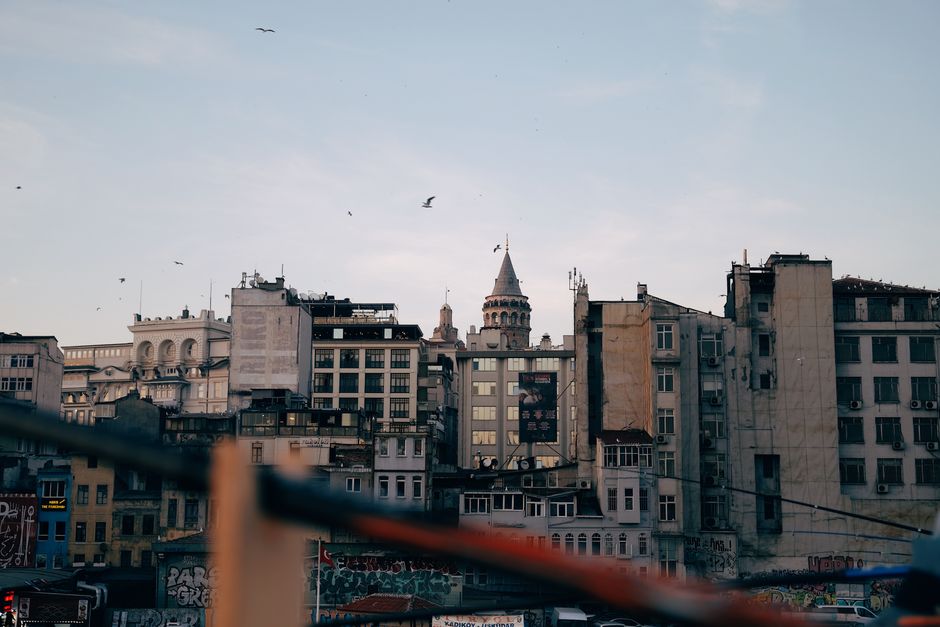
The pressure points are clear. Beyoğlu—traditionally a magnet for visitors to Istiklal Avenue and the surrounding Galata neighbourhood—has seen a rise in bag-snatching and pickpocketing reports, particularly near the Tünel tram terminus and crowded café zones. Meanwhile, Fatih district, home to iconic landmarks like the Blue Mosque and Hagia Sophia, reports growing concerns about organised groups targeting foreign tourists. Local shopkeepers and café owners have begun requesting more visible police patrols, a request that forces planners to weigh coverage across other neighbourhoods.
The core tension: Istanbul's police force, already stretched thin across 39 districts and dozens of waterfront zones along the Golden Horn and Bosphorus, must decide whether to concentrate resources in high-revenue tourism areas or maintain broader, thinner coverage that serves residents in outlying districts like Küçükçekmece and Pendik.
Behind closed doors, officials are reportedly debating three key paths forward. First: expanding community policing initiatives in partnership with neighbourhood mukhtar offices and local business associations—a model that proved effective in selected Şişli micro-zones last year but requires sustained funding. Second: investing in expanded CCTV networks and AI-powered monitoring systems, a more capital-intensive approach that raises privacy concerns among civil society groups. Third: bolstering emergency response capacity through revised dispatch protocols and potentially relocating some precinct headquarters to achieve faster response times.
Cost matters. Istanbul's municipal safety budget is already squeezed; the 2026 allocation barely exceeds 2.1 billion Turkish lira. Adding new patrol units or technology comes at the expense of other city services or requires additional municipal borrowing.
The Istanbul Chamber of Commerce and other business groups have signalled they may fund supplementary private security in commercial zones—a development that raises questions about equity and whether safety becomes a privilege for wealthy neighbourhoods.
Senior officials at the Istanbul Police Department must present recommendations to the metropolitan council by early August. That timeline means decisions made in the next few weeks will ripple through neighbourhood safety strategies for the remainder of 2026. The challenge: threading the needle between visible security and sustainable, equitable public safety.
This article was compiled by AI from the sources linked above and screened before publishing. See our editorial standards.