Istanbul's Budget Crisis in Numbers: What the Figures Reveal About City Hall's Spending Squeeze
As the municipality faces a 23% revenue shortfall, newly released fiscal data exposes the scale of infrastructure challenges ahead.
As the municipality faces a 23% revenue shortfall, newly released fiscal data exposes the scale of infrastructure challenges ahead.
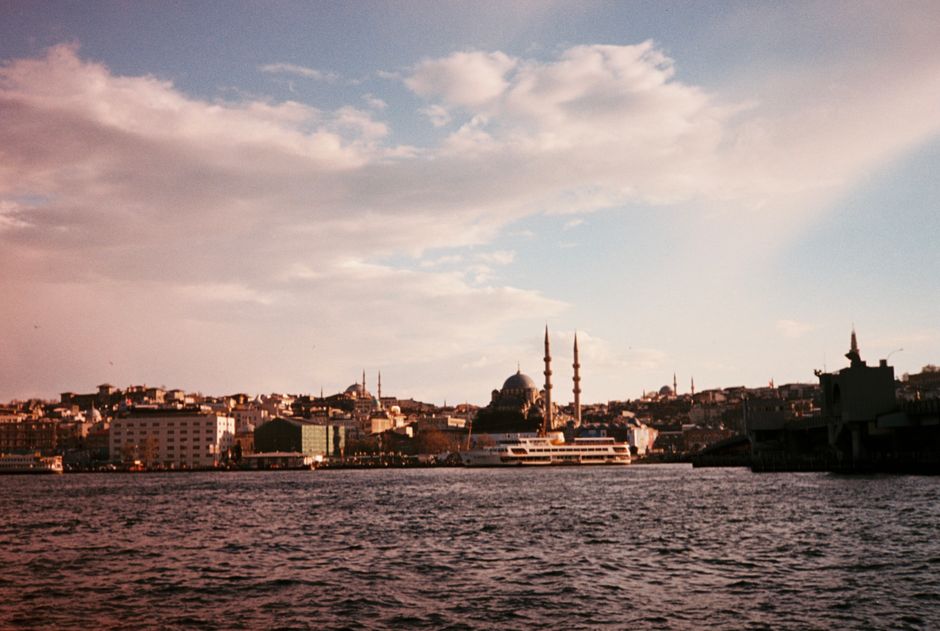
Istanbul's municipal government released its mid-year financial report last week, and the numbers tell a sobering story about the city's fiscal health. With just over a month remaining in the first half of 2026, the Istanbul Metropolitan Municipality has collected only 4.2 billion Turkish lira against a projected 5.5 billion, revealing a 23% gap that threatens planned infrastructure investments across the city's 39 districts.
The revenue decline hits hardest in property tax collection, down 31% year-on-year according to the report filed with the City Council. This slowdown directly impacts budgets for maintenance in high-traffic areas like the Galata Bridge—where foot traffic has declined 18% since 2025—and ongoing repairs to the Byzantine water cisterns beneath Sultanahmet that attract 2.3 million visitors annually.
Transportation represents the largest expenditure category, consuming 34% of approved spending at 1.8 billion lira. The Istanbul Metropolitan Municipality's public transport division reported operating 4,847 buses and 528 metro and tram vehicles serving an average of 7.1 million daily journeys. Yet operational costs have surged 16% due to fuel prices and wage adjustments, squeezing maintenance budgets for routes serving outer districts like Çekmeköy and Pendik.
Environmental projects face particular strain. The municipality had allocated 280 million lira for the Halkalı-Gebze coastal cleanup initiative, but only 89 million—32% of the budget—has been spent through June. Officials cite administrative delays and contractor disputes as causes. Meanwhile, the city's 847 parks and green spaces are receiving only 67% of their allocated maintenance funding.
Social services tell another story. The municipality's support for elderly care centres across Istanbul increased 12% year-on-year, now consuming 156 million lira annually. Applications to the Beyoğlu and Fatih district elderly support programs rose 41% since 2024, suggesting growing demand amid economic pressures.
The data gap appears most pronounced in district-level spending. Smaller municipalities in areas like Adalar and Şile report completion rates above 55% for first-half budgets, while central districts like Beşiktaş and Sarıyer lag at 38% and 41% respectively—a disparity the City Council flagged for investigation.
City planners are now reviewing the remaining 6.3 billion lira in budgeted spending for the second half of 2026. With revenue projections unlikely to improve without policy intervention, officials face difficult choices about which projects proceed and which face delay.
This article was compiled by AI from the sources linked above and screened before publishing. See our editorial standards.
How does this story make you feel?
Spread the word
About this article
Published by The Daily Istanbul
Daily brief
Free, in your inbox before 7am. Weekdays.
More in News