Istanbul stands at a pivotal moment in its infrastructure evolution. With commute times averaging 90 minutes during peak hours and port congestion costing businesses millions annually, the city's transport networks are straining under the weight of 16 million residents and countless daily visitors. Yet the solutions being contemplated involve hard trade-offs that will define urban life for decades.
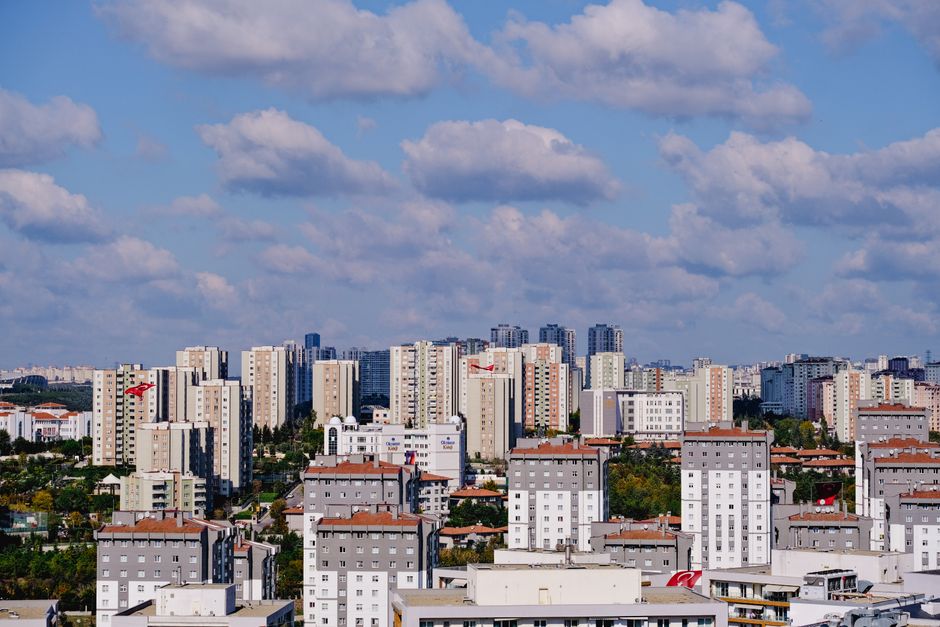
The most immediate decision concerns the extension of the Marmaray commuter rail beyond Halkalı on the European side and Gebze on the Asian side. Metropolitan authorities must choose between two routing options by late 2026: one that cuts through densely populated Başakşehir, potentially displacing 8,000 residents, or a longer inland route adding 4.2 billion lira to the project cost. The first option reduces travel time from the outer suburbs to Taksim by 35 minutes; the second preserves neighbourhoods but strains municipal budgets already committed to maintaining Istanbul's 141 kilometres of existing metro infrastructure.
Equally contentious is the future of the Outer Ring Road project, which would connect the E5 and O-4 highways via a controversial route skirting the Belgrade Forest. Environmental groups argue the construction would fragment one of Europe's last urban forests, while transportation planners insist the route is essential to relieving pressure on congested arteries feeding into Fatih and Beyoğlu. A formal environmental impact assessment is due this autumn.
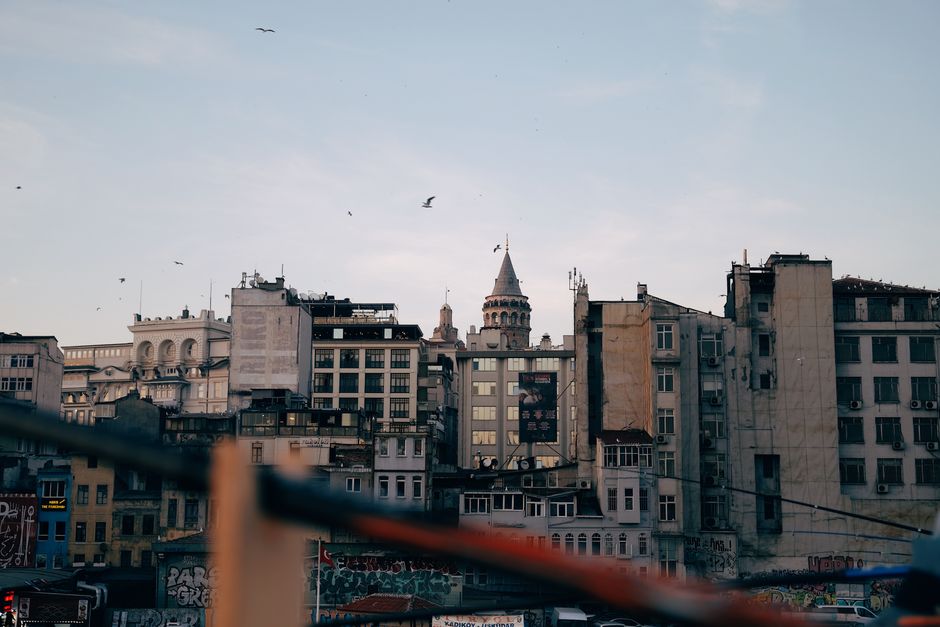
Perhaps most strategically significant is the privatisation question hanging over Karaköy Port and the planned Istanbul Container Terminal expansion. The port authority faces pressure to invite private operators to modernise facilities and increase annual container capacity from 3.5 million TEUs to 5 million by 2030. International shipping firms have expressed interest, but councillors worry about surrendering control of this critical asset and the potential for rate increases affecting local businesses.
Transit officials estimate that failing to expand capacity will cost the city 85 billion lira in lost economic productivity over the next decade. Yet the infrastructure pathway chosen now will irreversibly reshape residential patterns, environmental quality, and the city's competitive position as a regional logistics hub.
Stakeholder consultations are scheduled for September and October. The decisions made will likely become the defining infrastructure legacy of this administration—and a referendum on how Istanbul balances growth with livability.
This article was compiled by AI from the sources linked above and screened before publishing. See our editorial standards.