Istanbul's New Housing Density Rules Will Transform Neighbourhoods—But Who Benefits?
As the municipality pushes forward with controversial urban planning reforms, residents in Beyoğlu and Fatih fear their communities will become unrecognizable.
As the municipality pushes forward with controversial urban planning reforms, residents in Beyoğlu and Fatih fear their communities will become unrecognizable.
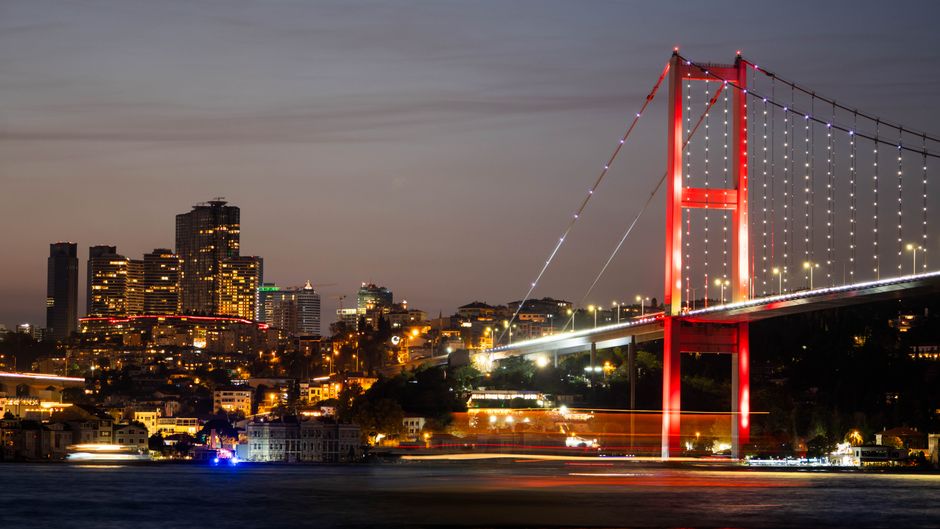
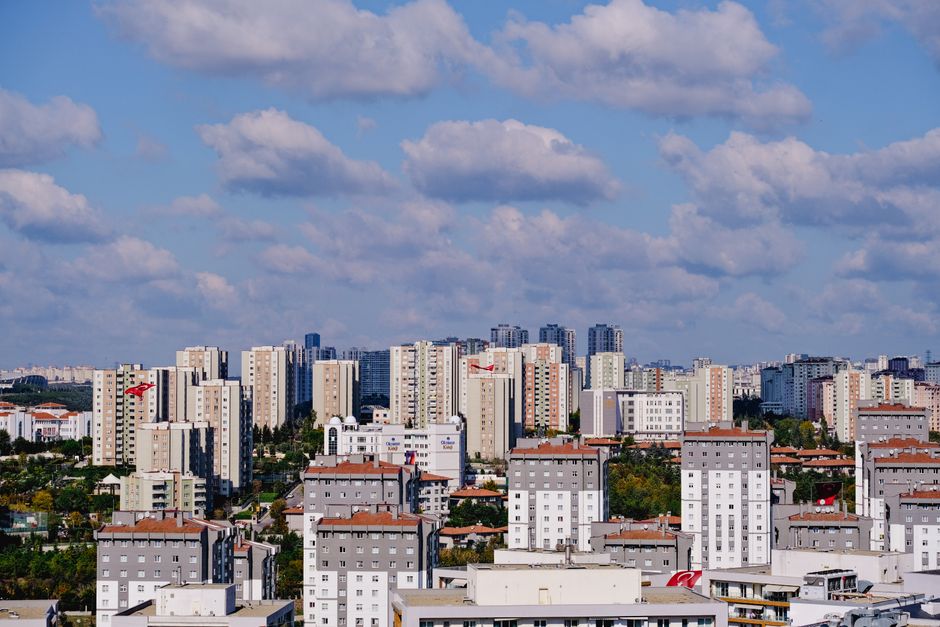
Istanbul's municipal government has quietly accelerated approval of a revised housing density policy set to reshape the city's most vulnerable neighbourhoods over the next five years. The changes, which raise permitted building heights and reduce green space requirements across central districts, promise to ease Turkey's chronic housing shortage—but come at a cost many residents say they cannot afford to pay.
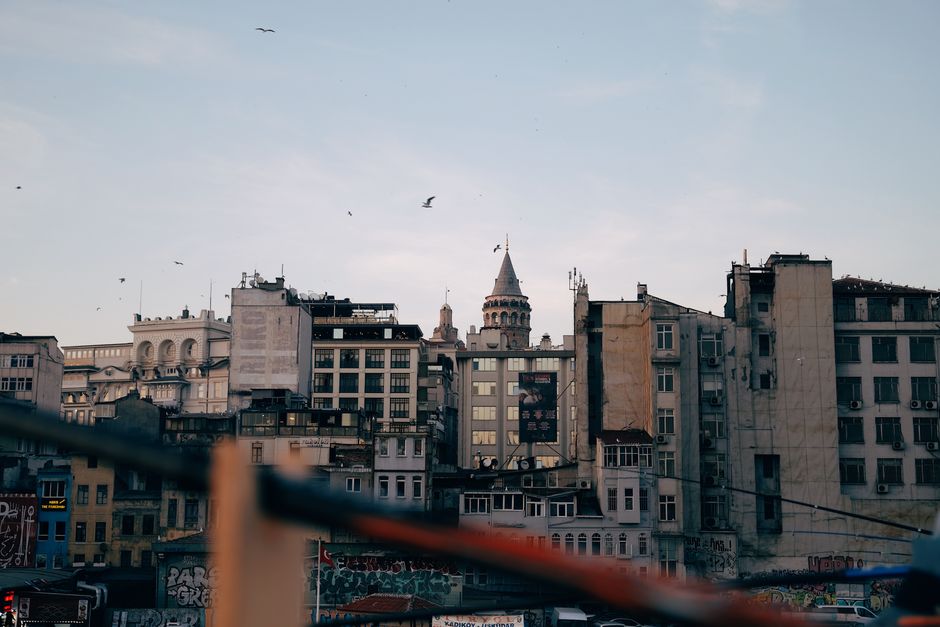
The revised regulations, approved in May by the Istanbul Metropolitan Municipality, allow developers to increase residential units by up to 40 percent in designated zones stretching from Beyoğlu's Cihangir district down through Fatih's narrow backstreets. Property prices in these areas have already climbed 28 percent in the past eighteen months, according to data from the Istanbul Chamber of Commerce, pricing out families who have lived here for generations.
In Balat, where Ottoman-era wooden houses still line the Golden Horn's western shore, residents report mounting pressure from investors seeking to demolish heritage structures. The neighbourhood's famous Armenian Church and the historic Jewish quarter now sit amid construction sites. Community leaders estimate that 60 percent of long-term tenants have been displaced since 2024, replaced by short-term holiday rentals and upmarket cafés catering to tourists.
"The policy assumes that more housing units automatically means affordability," says Nilüfer Çetin, director of the Istanbul Urban Rights Initiative, a local advocacy organisation. "But what we're seeing is speculation driving prices higher, not lower. Young families earning average wages cannot compete with investment companies."
The municipality argues the measures are necessary. Istanbul's population exceeds 16 million, with demand for housing far outpacing supply. Officials point to successful density projects in Levent and Maslak, where new mixed-use developments have attracted both residents and business investment. Yet those neighbourhoods were already commercial zones, unlike the residential communities now facing transformation.
Küçükpazar, near the Grand Bazaar, presents a starker picture. Here, housing costs have tripled since 2020. Small shopkeepers and artisans who anchored the neighbourhood's economy are closing doors, unable to afford rising rents. The municipality's affordable housing component—requiring developers to dedicate 15 percent of units to lower-income residents—has proven insufficient to stem displacement.
As the zoning changes take effect across Beyoğlu's leafy side streets and Fatih's traditional quarters, Istanbul faces a fundamental question: whose city is this becoming? The housing crisis is undeniably real, but the current approach risks solving one crisis by creating another—erasing the diverse, mixed-income communities that have always defined Istanbul's character.
This article was compiled by AI from the sources linked above and screened before publishing. See our editorial standards.
How does this story make you feel?
Spread the word
About this article
Published by The Daily Istanbul
Daily brief
Free, in your inbox before 7am. Weekdays.
More in News