Istanbul's emergency services stand at an inflection point. Recent international disasters—from the Venezuelan aftershock aftermath to ongoing rescue operations in conflict zones—have cast a spotlight on response inefficiencies that resonate uncomfortably close to home for Turkey's largest metropolis.
The Istanbul Metropolitan Municipality and the city's Disaster and Emergency Management Authority (AFAD) now face three critical decisions that will determine how effectively the city of 15 million responds to crises over the coming years.
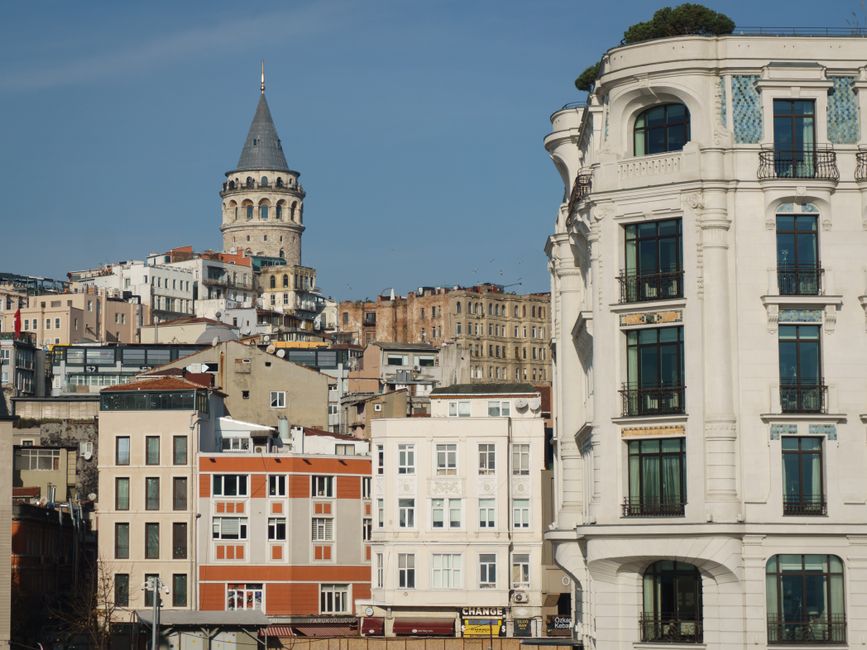
First is the question of real-time communication infrastructure. When disasters strike densely packed neighbourhoods like Fatih, Beyoğlu, or the sprawling suburbs beyond the E-5 highway, the difference between coordinated rescue and chaotic scrambling often hinges on whether responders can reliably share information. Current systems, while functional, rely heavily on radio frequencies that frequently become overwhelmed during major incidents. Upgrading to integrated digital platforms—similar to those deployed in European cities—would cost an estimated 45-60 million Turkish lira but could reduce response times by 20-30 percent.
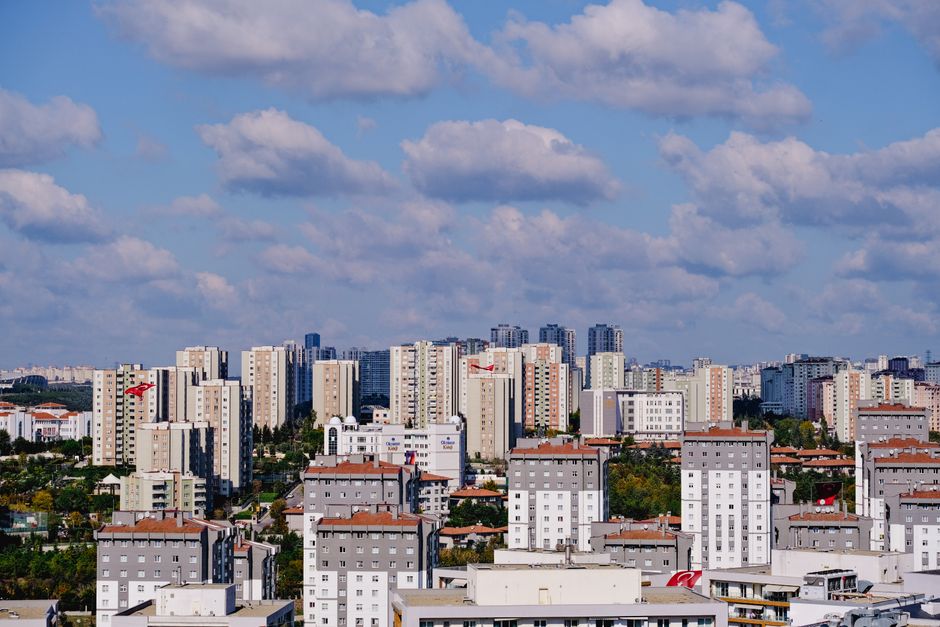
Second is the expansion and training of rescue personnel. Istanbul's official fire department comprises roughly 4,000 personnel serving the entire metropolitan area. By contrast, cities of comparable size typically maintain ratios of one responder per 3,500-4,000 residents. The municipality must decide whether to hire and train additional teams, particularly specialized units trained in earthquake rescue and high-rise operations—a pressing concern given Istanbul's vulnerability to seismic events and its skyline of increasingly tall buildings.
Third is neighborhood-level preparedness. While the municipality has conducted building safety inspections, grassroots emergency planning remains patchy. Districts like Şişli and Beşiktaş have active community disaster response programs, but many lower-income areas lack basic evacuation protocols or public awareness campaigns. The choice ahead is whether to mandate and fund standardized training for every muhtar (neighborhood chief) and community center across the city—a decentralized approach that proved effective in countries like Japan.
The financial burden is substantial. A comprehensive overhaul of Istanbul's emergency response system would require 150-200 million lira annually—roughly equivalent to the city's current spending on public parks and green spaces. The municipality must choose between competing budget priorities.
Officials have indicated a formal review will conclude by September, with recommendations presented to the Istanbul Metropolitan Assembly. The decisions made in coming months will echo through the city's neighborhoods for decades. When—not if—the next crisis strikes, Istanbulites will live with the consequences of choices made today.
This article was compiled by AI from the sources linked above and screened before publishing. See our editorial standards.