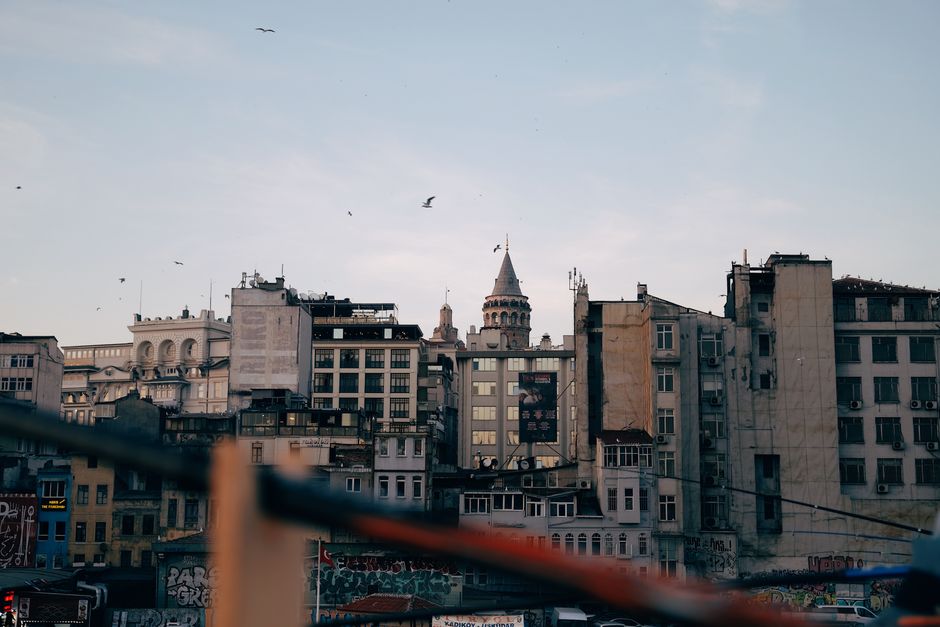
Walking down the narrow cobblestone streets of Balat on a humid June afternoon, the tension is palpable. Scaffolding towers over century-old Ottoman buildings. Demolition notices flutter from weathered wooden doors. For residents who have called this neighbourhood home for generations, the transformation feels less like progress and more like erasure.
The numbers tell a stark story. Property values in Balat have surged by over 300 per cent in the past five years, according to real estate data analysed by local planning consultants. Monthly rental prices have climbed from approximately 8,000 Turkish lira in 2019 to nearly 25,000 lira today—a trajectory that has priced out working families and small business owners. The Balat Residents' Association reports that over 40 per cent of households have relocated within the last three years alone.
"The municipality presents these projects at meetings we never hear about," says a spokesperson for the association, which has emerged as a focal point for community resistance. "Our voices come too late, when the bulldozers are already warming up."
The tension centres on the Balat-Fener Urban Transformation Project, a multi-phase initiative designed to modernise infrastructure while preserving the district's historic character. Municipal planners argue the investment is necessary; water systems date from the 1950s, and structural safety audits have flagged concerns in dozens of buildings along Çukur Bostan Street.
Yet affected residents argue they've been sidelined from meaningful consultation. Community advocates point to similar projects in nearby Cihangir and Galata, where gentrification followed ostensibly preservation-minded urban renewal. Small grocers, traditional hamam operators, and carpet vendors—businesses anchoring neighbourhood life for decades—have been replaced by boutique cafés and art galleries catering to affluent newcomers.
"We're not against development," explains a member of the Balat Civic Forum, an informal coalition that has organised monthly public meetings. "We're asking: who decides what gets built? Who benefits? Who pays the price?"
The Istanbul Metropolitan Municipality has recently committed to expanding resident consultation on future projects, pledging quarterly neighbourhood forums and mandatory impact assessments. Whether these measures will genuinely shape decisions remains unclear. For Balat's embattled residents, fighting to stay in their own neighbourhood has become the defining challenge of 2026.
This article was compiled by AI from the sources linked above and screened before publishing. See our editorial standards.