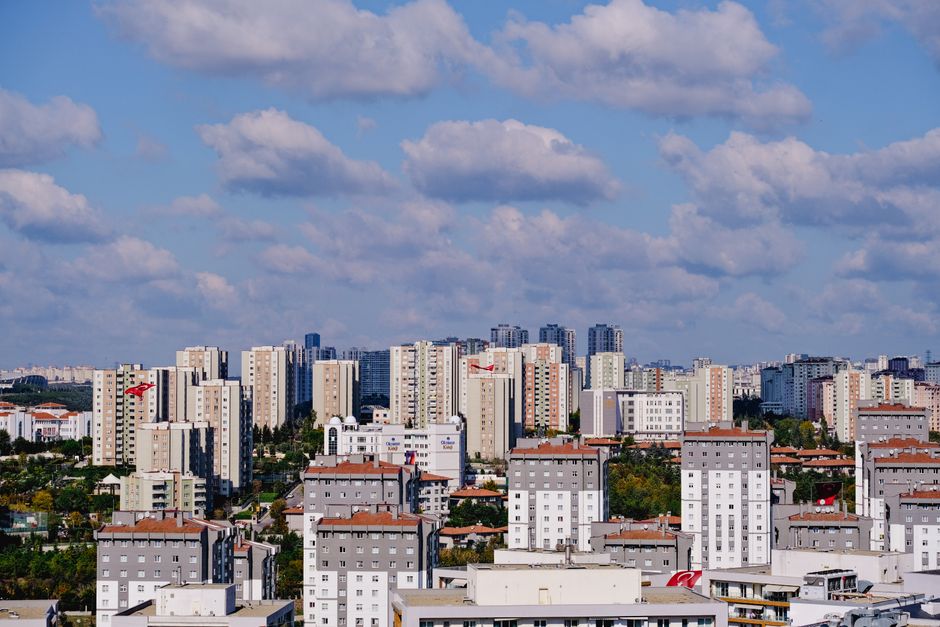
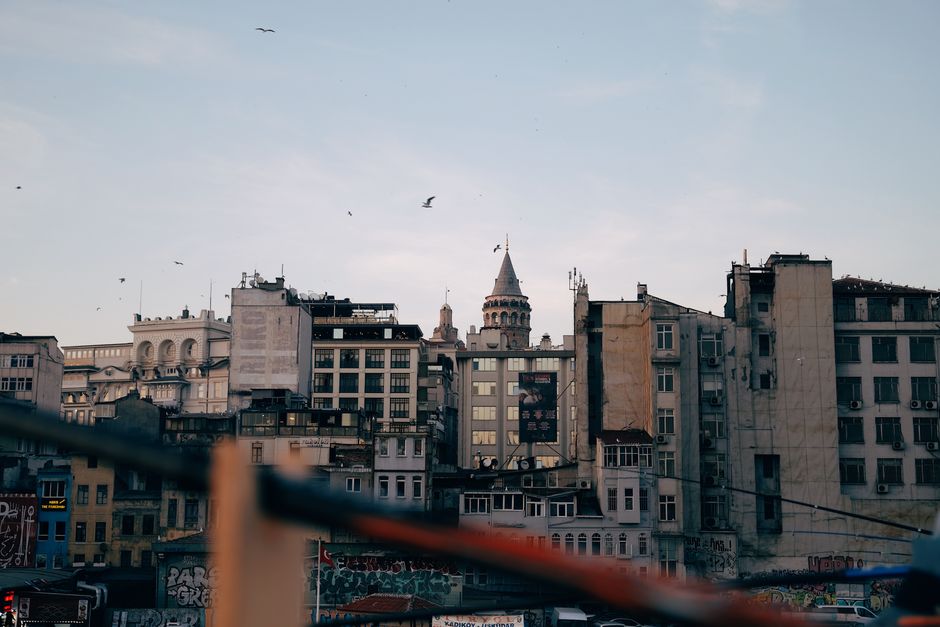
Istanbul's demographic map is shifting rapidly. According to the Turkish Statistics Institute, the city's foreign-born population has grown to approximately 1.2 million residents—roughly 12% of the metropolitan area—a significant increase from just 5% a decade ago. While the city has long been a crossroads of cultures, this acceleration is now testing the limits of municipal infrastructure and community cohesion in ways that directly affect everyday life for Turkish residents and migrants alike.
The housing crisis sits at the centre of this tension. In neighbourhoods like Fatih and Beyoğlu, where migrant communities historically concentrated, rental prices have surged 40% in the past three years alone. A one-bedroom apartment in Aksaray now averages 15,000 Turkish lira monthly—a figure that squeezes both established residents and newly arrived families. Schools in these areas report enrolment pressures: Fatih's state schools now serve classrooms where 60% of students speak Turkish as a second language, stretching teacher resources and curriculum adaptation.
Yet the picture is complex. Migration also revitalises neighbourhoods. Kumkapı's restaurant district, once declining, now thrives with Syrian, Afghan and Pakistani-owned businesses. The Istanbul Migrants Association reports that foreign entrepreneurs launched over 8,000 registered businesses citywide last year, creating employment and cultural vitality. Tarlabaşı's renovation efforts have involved migrant community input, reshaping urban planning conversations.
Healthcare systems strain under demand. Taksim and Sultanahmet hospitals report 35% increases in emergency room visits over two years, with language barriers complicating service delivery. Meanwhile, the city's informal employment sector—construction, domestic work, street vending—relies heavily on migrant labour, underpinning Istanbul's economy while workers often lack adequate protections or health coverage.
City officials acknowledge the challenge. Istanbul Metropolitan Municipality's new integration strategy, launched this month, allocates 120 million lira for language programmes, vocational training, and mediation services across Beyoğlu, Fatih, and Pendik. Community centres in Sultanbeyli and Küçükçekmece now offer Turkish classes and job-matching services, though demand far exceeds capacity.
For ordinary Istanbullus—Turkish families, longtime residents, new arrivals—the stakes are tangible. Schools lacking resources struggle to serve diverse cohorts. Neighbourhoods experience rapid demographic change, creating both opportunity and anxiety. Public services buckle under unplanned growth. These aren't abstract policy debates; they're daily reality in packed minibuses, crowded clinics, and classrooms where teachers juggle five languages.
Istanbul's future depends on managing this influx thoughtfully. Without sustained investment in integration infrastructure, housing policy, and language support, both newcomers and residents will bear the cost.
This article was compiled by AI from the sources linked above and screened before publishing. See our editorial standards.