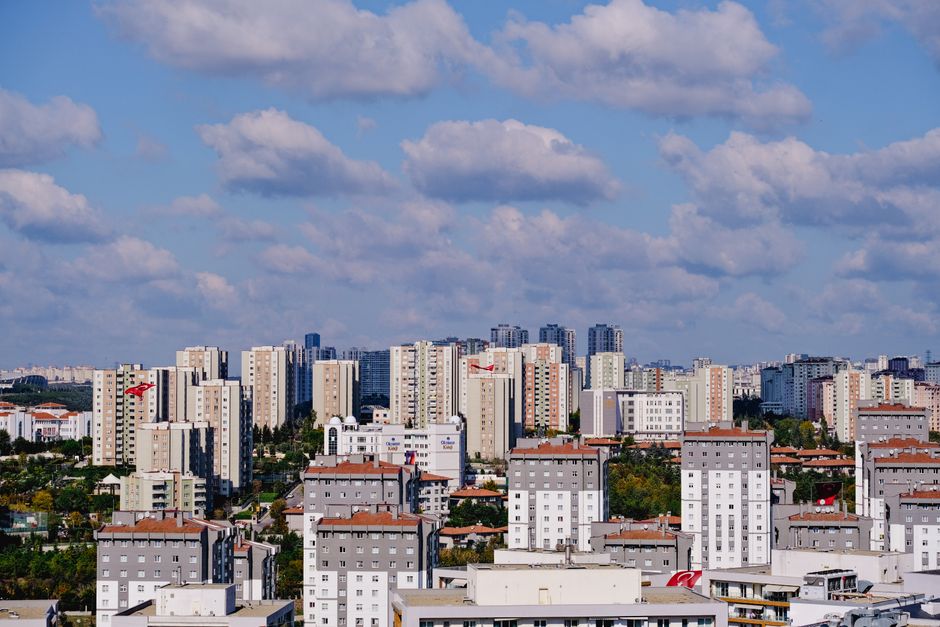
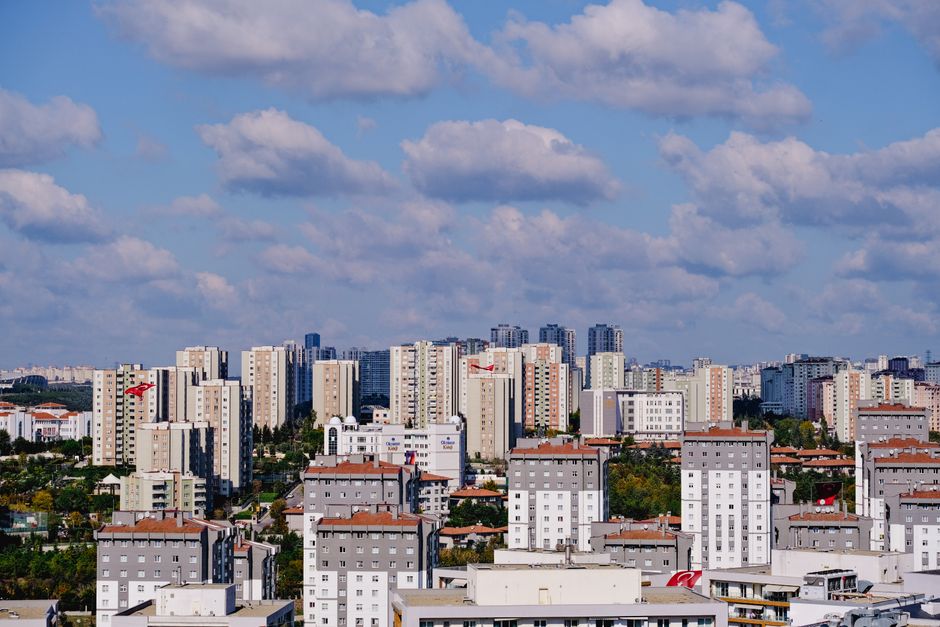
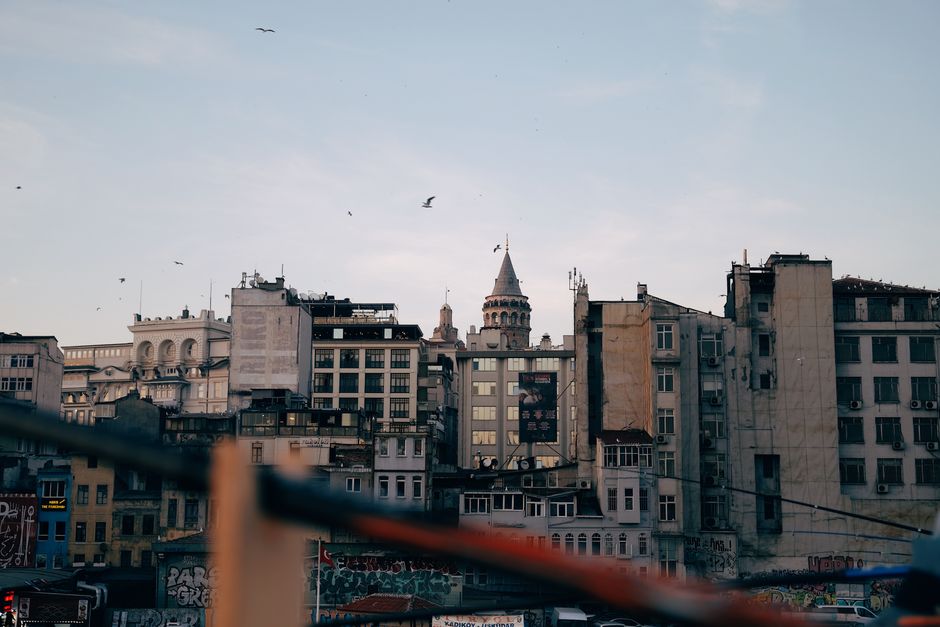
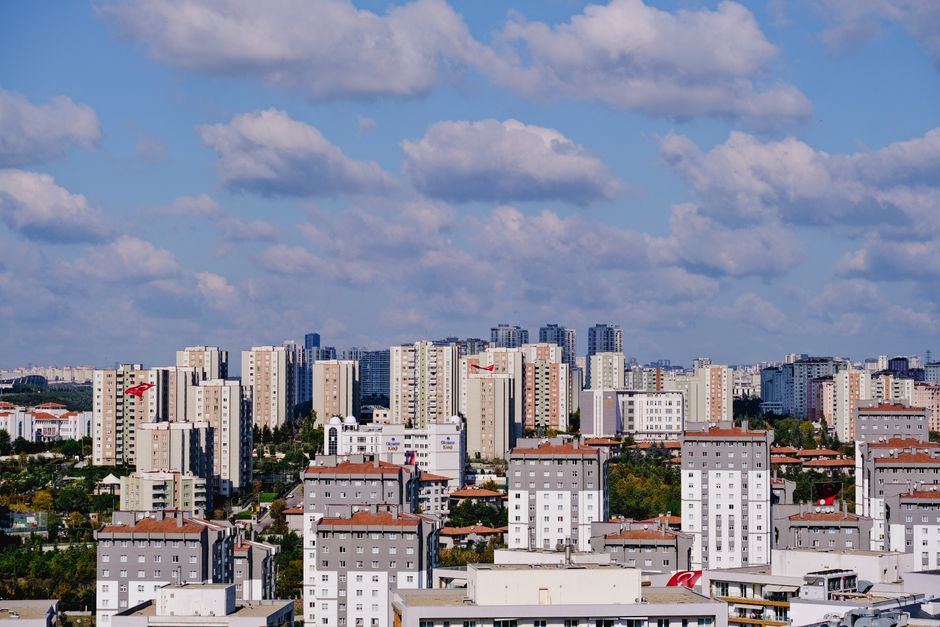
Istanbul's infrastructure ambitions are colossal, yet the execution reveals both boldness and the friction points that plague every major global city attempting simultaneous transport transformation. With roughly 16 million residents spanning two continents, the challenge of moving people efficiently has spawned a portfolio of projects that would impress Singapore or Dubai—if they stay on schedule.
The Metro expansion remains the jewel. Line 8's extension toward Pendik, combined with the ongoing Line 6 development through Levent and Maslak's business districts, represents a €4 billion investment that transport analysts compare favourably to London's Elizabeth Line rollout. Yet where London benefited from decades of planning, Istanbul compressed timelines that have left commuters on the Bosphorus ferries—still the city's most reliable crossing—wondering when Metrobus corridors on the Asian side will truly decongest neighbourhoods like Üsküdar and Kadıköy.
The comparison to Shanghai proves instructive. Both cities expanded metro networks from 300 kilometres to over 700 kilometres in two decades. Shanghai achieved it with integrated planning across district governments; Istanbul's governance, fragmented between multiple municipalities, has created bottlenecks. The recent Kanal Istanbul proposal—a controversial artificial waterway project that would redirect northern shipping—exemplifies how infrastructure becomes entangled with political ambition rather than pure transport logic.
Istanbul Airport, operational since 2018, now handles 35 million passengers annually. This outpaces Denver International's early years but trails Atlanta's 110 million—suggesting capacity headroom remains, yet the €22 billion railway connection project linking the airport to Taksim via Halkalı stations faces endemic delays that mirror similar projects in Berlin and Paris.
The Marmaray tunnel beneath the Strait of Marmara, completed in 2013, fundamentally altered commute patterns. Moving 73,000 daily passengers, it reduced driving across bridges like the Bosphorus bridges themselves. Compare this to the Channel Tunnel's underwhelming passenger figures (it carries mainly freight), and Istanbul's achievement stands out—despite construction controversies that took a decade to resolve.
What distinguishes Istanbul isn't the scale of ambition but the chaotic implementation overlapping multiple projects. The Tram extensions toward Beyoğlu, the bus rapid transit systems serving peripheral districts, and the airport rail all compete for municipal attention and budget allocation. Singapore's integrated Land Transport Master Plan, by contrast, operates with singular coordination that Istanbul's municipal structure struggles to replicate.
By 2030, planners estimate Istanbul's metro could reach 750 kilometres. If achieved, it would rank among Asia's largest networks. The question isn't whether Istanbul can build—it's whether competing priorities, fragmented governance, and the city's Byzantine geography can align to deliver on schedule.
This article was compiled by AI from the sources linked above and screened before publishing. See our editorial standards.