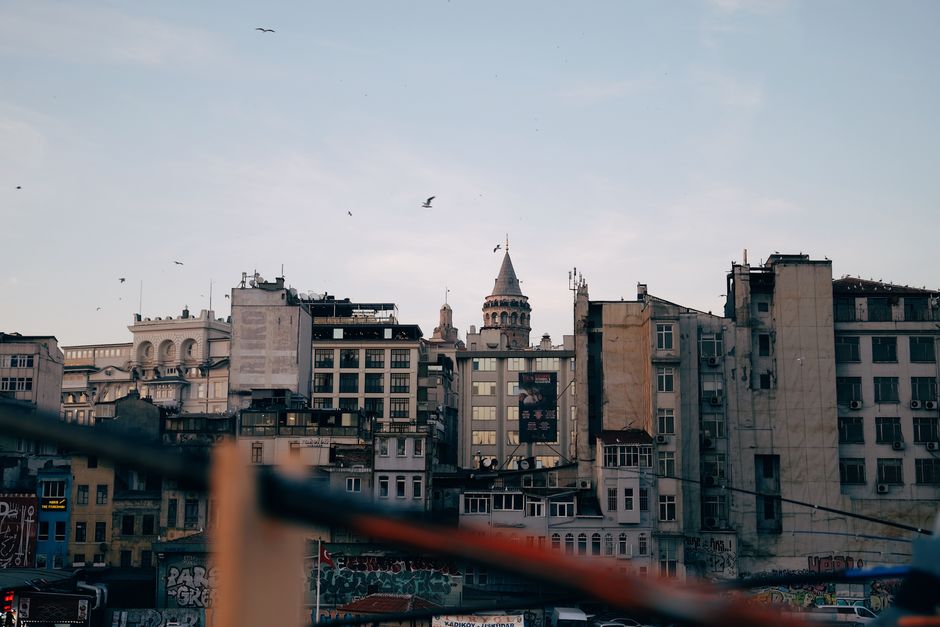
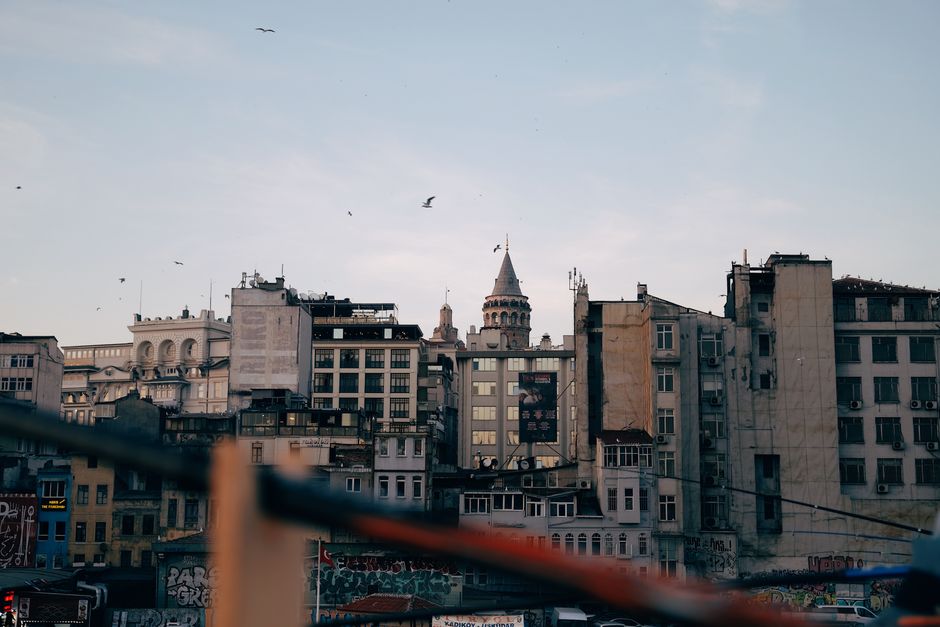
Walk down Balat's narrow cobblestone streets today and you'll notice something missing: the gentle hiss of traditional Turkish coffee being prepared, the murmur of regulars debating the day's news, the smell of decades-old wood mixed with cardamom. In the past eighteen months, at least seven independent kahvehanes have shuttered in this UNESCO-listed neighbourhood, replaced by international coffee chains and tourist-oriented venues charging three times the price.
The numbers tell a stark story. A traditional çay at a neighbourhood kahvehane once cost 5 lira; today's trendy alternatives charge 35 lira or more. For residents living on modest pensions—Balat's population skews older, with many having lived here for fifty years or more—these aren't trivial sums. "I used to spend 40 lira a day on three cups of tea and conversation," says one 72-year-old resident who requested anonymity. "Now I stay home."
The closure of establishments like Kahvehane Yusuf, which operated on Çukur Bostan Sokak since 1987, represents more than commercial turnover. These spaces functioned as informal community centres where neighbours resolved disputes, young people learned from elders, and the neighbourhood's social fabric was woven daily. The Istanbul Neighbourhood Preservation Association documented that Balat lost approximately 40 percent of its independent commercial establishments between 2020 and 2026, with kahvehanes accounting for the largest single category.
Local government has taken notice. Fatih Municipality's recent heritage preservation initiative aims to create incentives for traditional business owners to remain competitive, including tax breaks and rent stabilisation programmes. However, implementation remains sluggish, and property values in Balat have tripled since 2015, making landlord negotiations increasingly difficult for long-standing tenants.
The broader implications extend beyond nostalgia. Urban sociologists warn that the loss of affordable public gathering spaces contributes to neighbourhood fragmentation and isolation among elderly residents—a demographic vulnerability highlighted repeatedly during Istanbul's pandemic years. When community hubs close, social safety nets weaken.
"This isn't about opposing progress," explains one local shopkeeper. "But when every new business requires Instagram aesthetics and fifteen-lira minimum orders, you're not serving the neighbourhood anymore. You're serving visitors."
As Balat continues its transformation, residents face a critical question: can a neighbourhood preserve its character when the everyday spaces that defined it have become economically inaccessible to those who built them?
This article was compiled by AI from the sources linked above and screened before publishing. See our editorial standards.