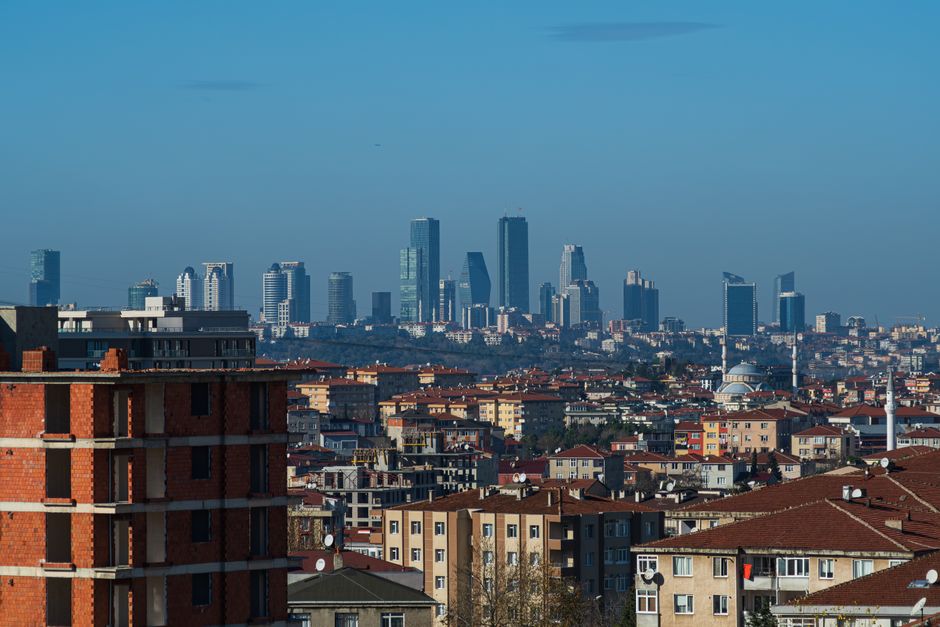
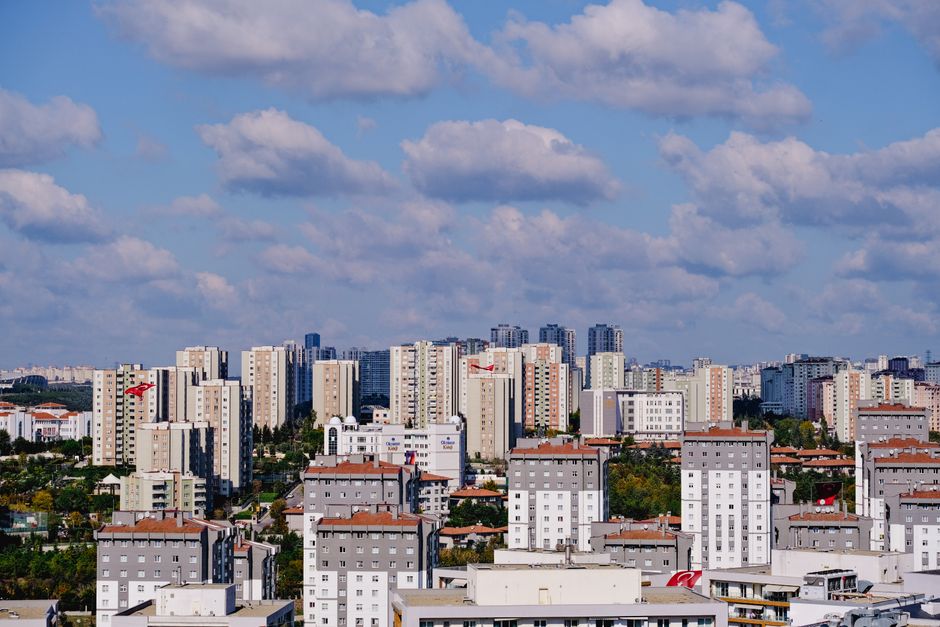
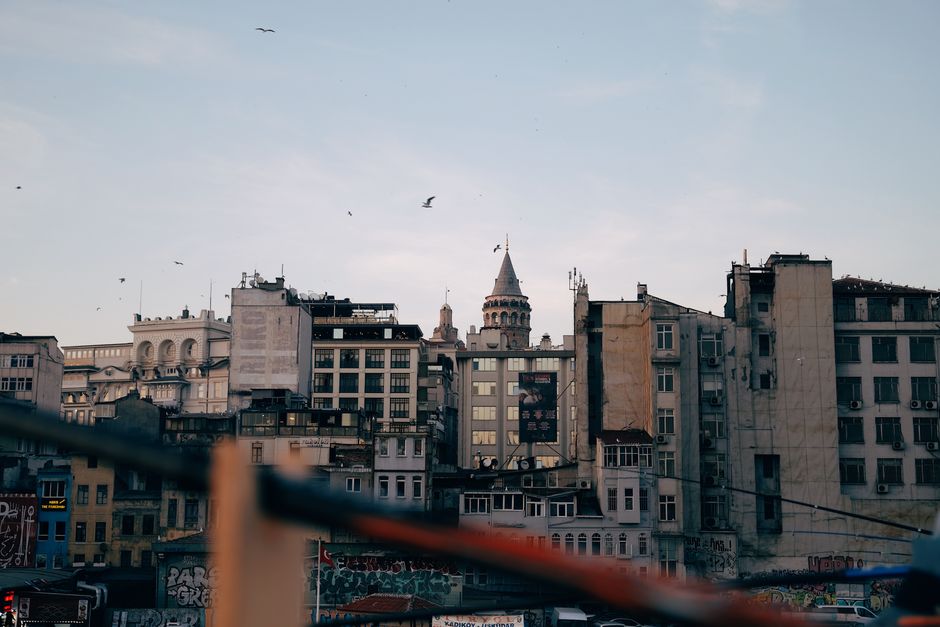
The expansion of Istanbul's university sector is reshaping the city's economic landscape in ways that extend far beyond campus gates. Three significant institutional announcements in recent months—including capacity increases at Istanbul Technical University's Maslak campus and Boğaziçi University's planned satellite facilities—are triggering a chain reaction of consequences for residents across the European side of the city.
For families living in neighbourhoods like Şişli, Nişantaşı, and the surrounding districts, the implications are immediate and tangible. Real estate agents report that rental prices within walking distance of university hubs have jumped 18-22 percent in the past eighteen months, according to data from the Istanbul Chamber of Real Estate Appraisers. A one-bedroom apartment that rented for 35,000 lira two years ago now commands 42,000-45,000 lira monthly. For established residents on fixed incomes, the pressure is mounting.
Yet the expansion also promises significant community benefits. The university sector directly employs over 28,000 people in Istanbul, with expansion projects expected to create roughly 4,000 new positions in administrative, academic, and support roles by 2028. For young Istanbul residents—particularly those from lower-income districts—access to nearby degree programmes means reducing commute times that routinely stretch two hours across the city's congested bridges.
Transport infrastructure is responding to the pressure. Metropolitan Municipality officials have announced new dedicated bus corridors and expanded metro connections to university zones. The planned extension of the M7 metro line toward Eyüpsultan, originally scheduled for 2029, is now being prioritized, reflecting the urgency created by student and staff demand.
Local business owners in Maslak and Levent report cautious optimism. Coffee shops, bookstores, and food establishments near university facilities have expanded hours and staff capacity. Small vendors operating along Büyükdere Caddesi—the main commercial artery serving these zones—have seen foot traffic increase by an estimated 30 percent during academic terms.
The challenge, however, remains acute: balancing growth with livability. Community leaders in Şişli and Beşiktaş have formally requested that Istanbul Metropolitan Municipality enforce rent-control measures in designated university-adjacent zones, citing concerns that longstanding residents will be displaced entirely. The municipality has commissioned a housing affordability study expected to report findings by September.
For residents, the trade-off is clear. Universities bring opportunity, jobs, and vitality. But without careful management, they also bring congestion, inflation, and displacement—consequences that will define neighbourhood character across Istanbul's European side for years to come.
This article was compiled by AI from the sources linked above and screened before publishing. See our editorial standards.