Istanbul stands at a pivotal moment in its urban evolution. With property prices in central neighbourhoods like Şişli and Beşiktaş having doubled in the past five years, and construction cranes dominating skylines from Maslak to Pendik, the city faces three intertwined decisions that will determine whether it remains liveable for ordinary residents or becomes exclusively accessible to the wealthy.
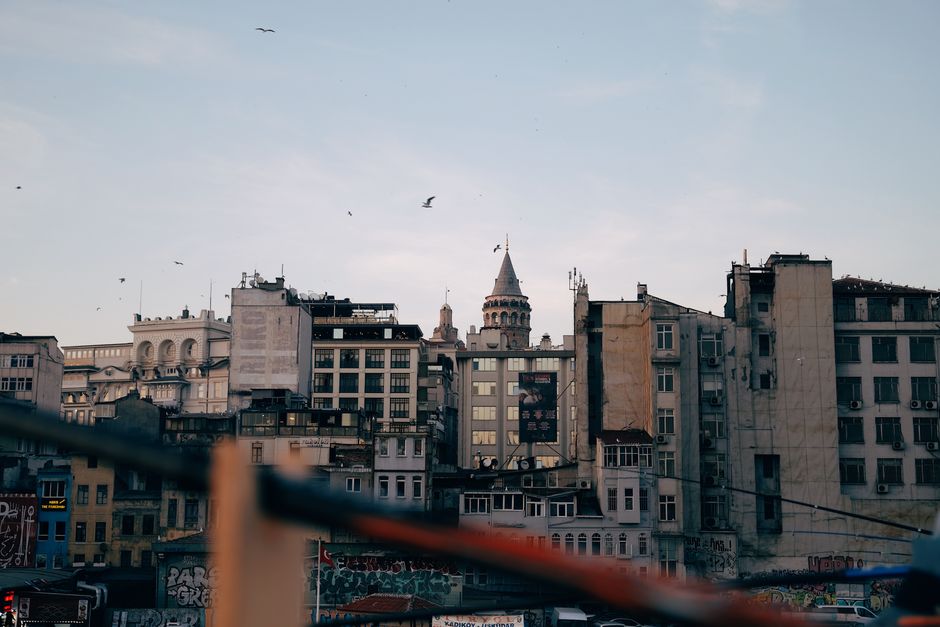
The first decision concerns the future of historic neighbourhoods. Galata's 18th-century terraced houses and Balat's Byzantine-era streets represent irreplaceable cultural assets, yet they also represent billions of euros in potential development value. The Metropolitan Municipality's current preservation framework protects only select buildings; the rest remain vulnerable to demolition and replacement with high-rise residential towers. Municipal authorities must now decide whether to expand conservation zones significantly—a move that would restrict profits but preserve neighbourhood character—or maintain current narrow protections. This choice affects not just tourism but the lived reality of 150,000 residents in these districts.
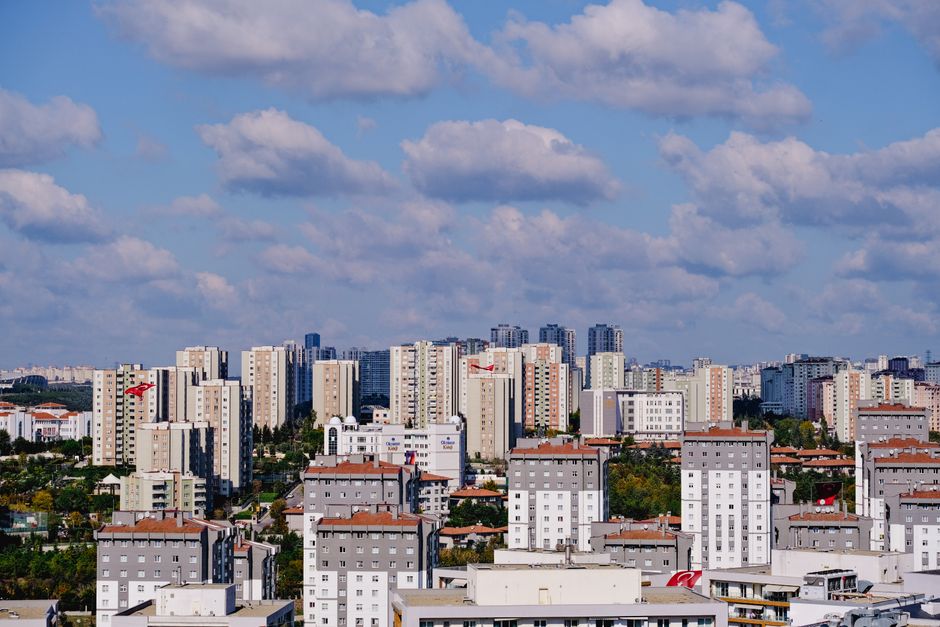
The second decision involves suburban expansion and affordability requirements. As development pressure intensifies, new housing projects increasingly sprawl outward to Çekmeköy, Sancaktepe, and Silivri. The municipality has proposed mandatory affordable-housing quotas—requiring developers to include 15-20 percent below-market-rate units in new projects. Builders argue this threatens project viability; housing advocates counter that without such requirements, working families will be pushed further into satellite towns, exacerbating transportation costs and urban inequality. This policy choice, due for formal vote within months, will essentially determine whether future growth remains economically mixed or becomes stratified by income.
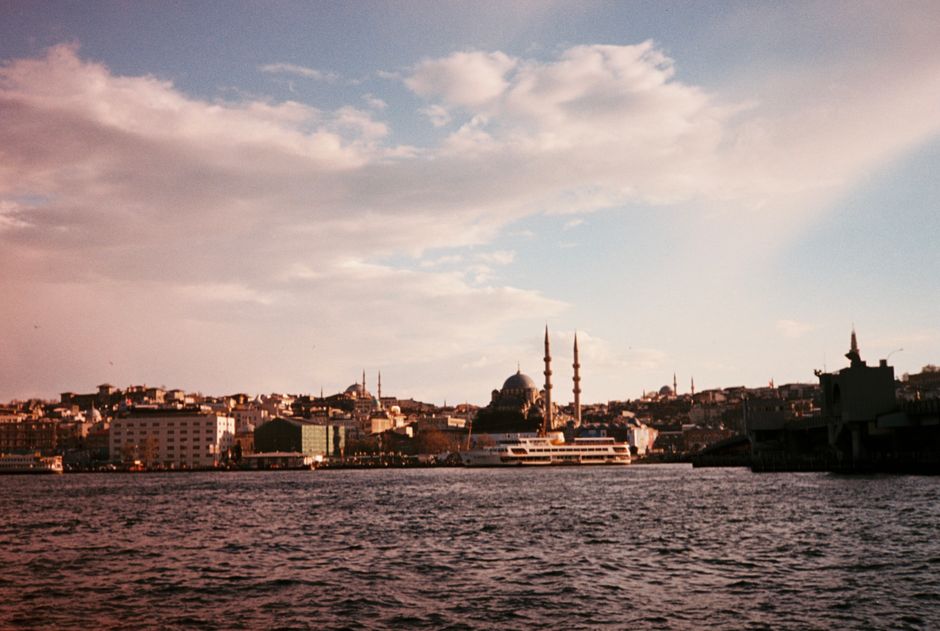
The third critical decision centres on repurposing industrial corridors. The Golden Horn's northern shore and areas around Avcılar harbour underutilised port facilities, warehouses, and light manufacturing sites. These represent prime real estate for mixed-use development, yet they also hold employment value for lower-income workers. Should the municipality prioritise economic revitalisation through residential and commercial redevelopment, or protect industrial capacity and blue-collar jobs? The answer will reshape Istanbul's entire economic ecosystem.
These decisions cannot be postponed. Market forces operate continuously, and every month of policy paralysis allows speculative development to proceed unopposed. The Municipal Assembly's planning committees have indicated they will present recommendations by October. For a city that has absorbed 5 million new residents in three decades, the next six months will be defining ones.
This article was compiled by AI from the sources linked above and screened before publishing. See our editorial standards.