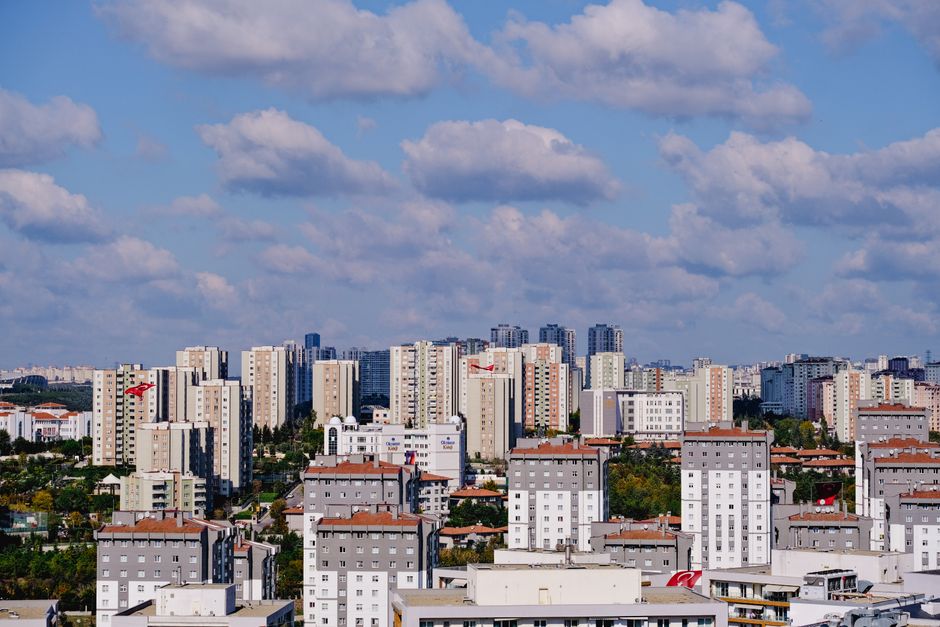
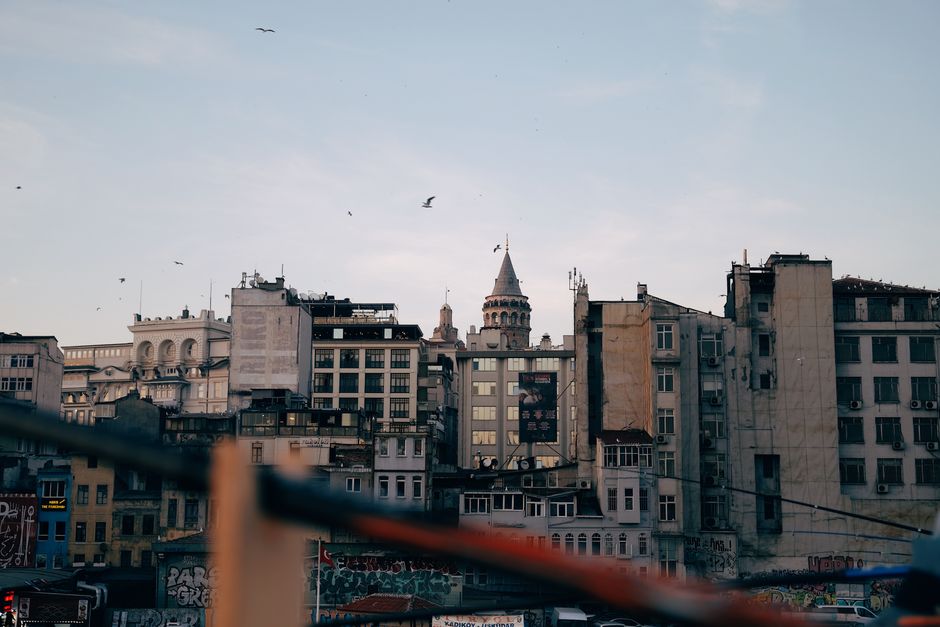
Istanbul stands at a pivotal moment. After years of serving as a transit hub for migrants heading towards Europe, the city is now home to an estimated 1.2 million foreign residents—roughly 12 per cent of the metropolitan population. But the decisions made in the coming months will fundamentally reshape neighbourhoods from Fatih to Zeytinburnu, and determine whether integration or tension defines the city's multicultural future.
The immediate pressure points are clear. Housing costs in traditionally migrant-heavy areas around Aksaray and Kumkapı have risen sharply, displacing long-established communities. Meanwhile, schools in these neighbourhoods are struggling with language barriers, with some reporting 70 per cent non-Turkish-speaking pupils. Youth unemployment among migrant families hovers around 28 per cent, according to recent municipal data—nearly double the city average.
City officials face three competing visions. The first, favoured by some business interests, treats migration as labour supply: low-wage workers fill gaps in construction, hospitality, and domestic care sectors that Turkish citizens avoid. The second, championed by humanitarian organisations operating from offices along Istiklal Caddesi, argues for genuine integration—language programmes, credential recognition, and pathways to legal status. The third, gaining traction among nationalist voices, pushes containment: stricter enforcement, designated zones, reduced services.
The timing is urgent. European Union pressure on Turkish asylum policy intensifies monthly. Simultaneously, geopolitical chaos in the Middle East, Pakistan, and the Democratic Republic of Congo suggests migration pressures will only increase. A new wave could arrive within months, not years.
Three decisions loom. First, will Istanbul's municipality invest in Turkish-language education and vocational training, or treat migrants as temporary labour? Second, will the city expand social housing in mixed neighbourhoods, or allow market forces to segregate communities? Third, will authorities pursue regularisation programmes for undocumented residents, bringing them into formal labour protections, or maintain the status quo?
Progressive organisations like the Istanbul Migrants Association are preparing recommendations. Community leaders in Beyoğlu and Eminönü are organising. But without coordinated city-level strategy, the default trajectory points toward deepening inequality and spatial segregation.
The window for proactive policy-making is narrow. Istanbul's character as a global crossroads depends on decisions made not in Brussels or Washington, but in municipal offices across the city. The question is no longer whether Istanbul will be multicultural—it already is. The question is whether that multiculturalism will be managed with dignity and foresight, or allowed to fester into resentment.
This article was compiled by AI from the sources linked above and screened before publishing. See our editorial standards.