Istanbul's Universities Face Infrastructure Crunch as Summer Enrollment Surge Overwhelms Facilities
New dormitory shortages and classroom capacity issues emerge across Beyoğlu and Fatih campuses just as autumn semester registrations begin.
New dormitory shortages and classroom capacity issues emerge across Beyoğlu and Fatih campuses just as autumn semester registrations begin.
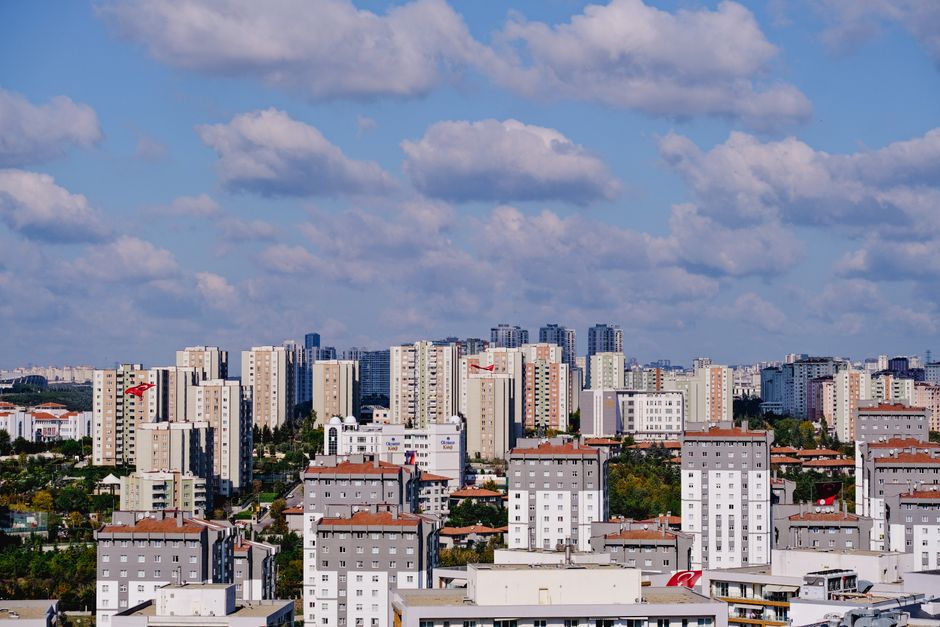
Istanbul's higher education sector is grappling with a significant infrastructure bottleneck this week, as several major universities report overcrowding in both academic spaces and student housing ahead of the new academic year starting in September.
Boğaziçi University's administration announced on Monday that their Bebek campus will operate at 112 percent capacity for lecture halls during peak morning hours, according to facility management documents reviewed by The Daily Istanbul. The shortfall has prompted the institution to accelerate a three-year expansion plan originally scheduled to begin in 2027, with preliminary construction contracts now expected by August.
The pressure is particularly acute in student accommodation. Istanbul Technical University (ITÜ) reported this week that its Maslak and Ayazağa dormitory complexes have received applications exceeding available beds by approximately 40 percent. University spokesperson communications indicate that nearly 1,200 first-year students remain unhoused with only six weeks until classes begin. Private dormitory operators in surrounding Şişli and Mecidiyeköy neighborhoods have responded by raising monthly rates from 8,500 to 12,000 Turkish Lira—a 41 percent increase from last year.
The crisis reflects broader demographic shifts in the city. Istanbul's student population has grown by 18 percent over the past five years, driven partly by consolidation of provincial universities and increased international enrollment. Marmara University's Avcılar campus, which serves over 45,000 students, has requested emergency funding from city authorities to upgrade aging dormitory facilities in Bahçelievler.
Education Ministry officials held meetings with Istanbul university rectors throughout this week to discuss interim solutions. Options under consideration include extended morning-evening scheduling systems and hybrid learning arrangements for first-semester courses. Yıldız Technical University in Beşiktaş has already piloted such models, with preliminary data suggesting 23 percent improvement in classroom utilization rates.
The situation has not gone unnoticed by student advocacy groups. The Istanbul Student Rights Association issued a statement Friday calling for transparent allocation procedures and warning that housing instability could drive enrollment toward competitor cities like Ankara and Izmir. Several universities have begun offering housing stipends of 3,000 Lira monthly to offset private market rates.
Ministry representatives indicated that long-term solutions would require coordinated investment across the sector, with particular focus on the congested European side campuses. For now, Istanbul's universities face an uncertain autumn as administrators race to accommodate one of the city's largest cohorts of incoming students in recent memory.
This article was compiled by AI from the sources linked above and screened before publishing. See our editorial standards.
How does this story make you feel?
Spread the word
About this article
Published by The Daily Istanbul
Daily brief
Free, in your inbox before 7am. Weekdays.
More in News