Istanbul's Municipal Budget Bloat: What the Numbers Reveal About City Hall's Priorities
A deep dive into the Metropolitan Municipality's 2026 spending figures exposes growing inefficiencies and shifting resources away from core services.
A deep dive into the Metropolitan Municipality's 2026 spending figures exposes growing inefficiencies and shifting resources away from core services.
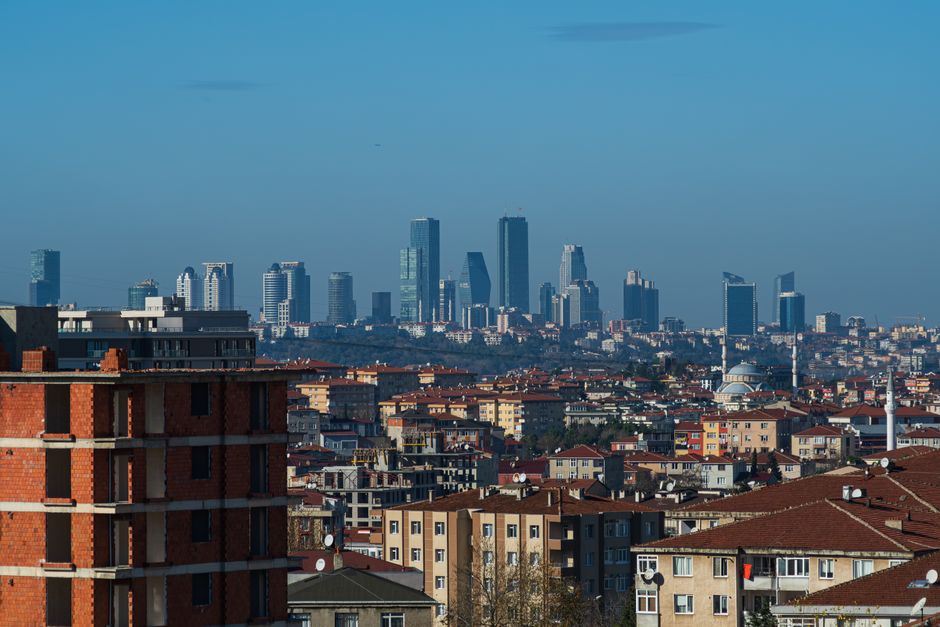
Istanbul's Metropolitan Municipality published its mid-year financial report last week, and the numbers tell a troubling story about where the city's resources are flowing—and where they're not.
The municipality's 2026 operating budget stands at 89.4 billion Turkish lira, a 12 percent increase from the previous year. Yet routine maintenance spending has declined by 8 percent to 4.2 billion lira, even as the city's aging infrastructure demands grow increasingly urgent. In Fatih district alone, pot-hole repair requests have surged 34 percent year-on-year, according to municipal records, while allocated funds for street maintenance have remained flat at 127 million lira.
The spending priorities reveal a municipal administration wrestling with competing pressures. Administrative overhead has ballooned to 18.3 billion lira—representing more than 20 percent of the total budget—an increase of 19 percent compared to last year. The payroll for municipal employees across Istanbul's 39 districts now exceeds 12.1 billion lira, with an additional 2.8 billion allocated to consultancy contracts and external advisors.
Meanwhile, public transportation subsidies, which underpin the city's 16 million daily metro, tram, and bus journeys, have increased only marginally to 5.7 billion lira. Transit officials acknowledge that maintaining affordable fares—currently 7.25 lira per journey—while meeting infrastructure renewal needs creates unsustainable pressure. The Marmaray tunnel maintenance budget alone consumes 340 million lira annually.
Green space investment presents another contrasting picture. Parks and gardens maintenance in districts like Beşiktaş and Sarıyer has increased to 642 million lira, a 23 percent jump. Yet this expansion masks uneven distribution: central European-side neighbourhoods receive three times the per-capita investment of Anatolian-side districts like Çekmeköy and Sultanbeyli.
Property tax collection, a key revenue stream, fell short by 6.2 percent this quarter, generating only 3.1 billion lira against projections of 3.3 billion. Officials attribute this to economic headwinds affecting Istanbul's middle-class neighbourhoods.
The data suggests a municipality attempting to modernise while struggling with legacy costs. As Istanbul competes globally for investment and talent, these budget realities raise urgent questions about whether administrative bloat and uneven service delivery can coexist with the city's ambitions for a world-class future.
This article was compiled by AI from the sources linked above and screened before publishing. See our editorial standards.
How does this story make you feel?
Spread the word
About this article
Published by The Daily Istanbul
Daily brief
Free, in your inbox before 7am. Weekdays.
More in News