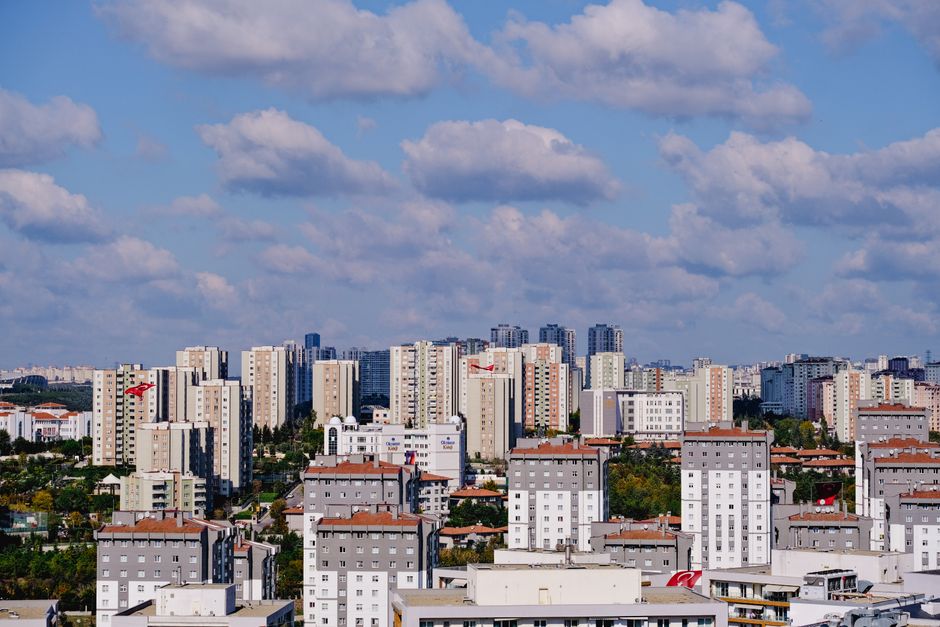
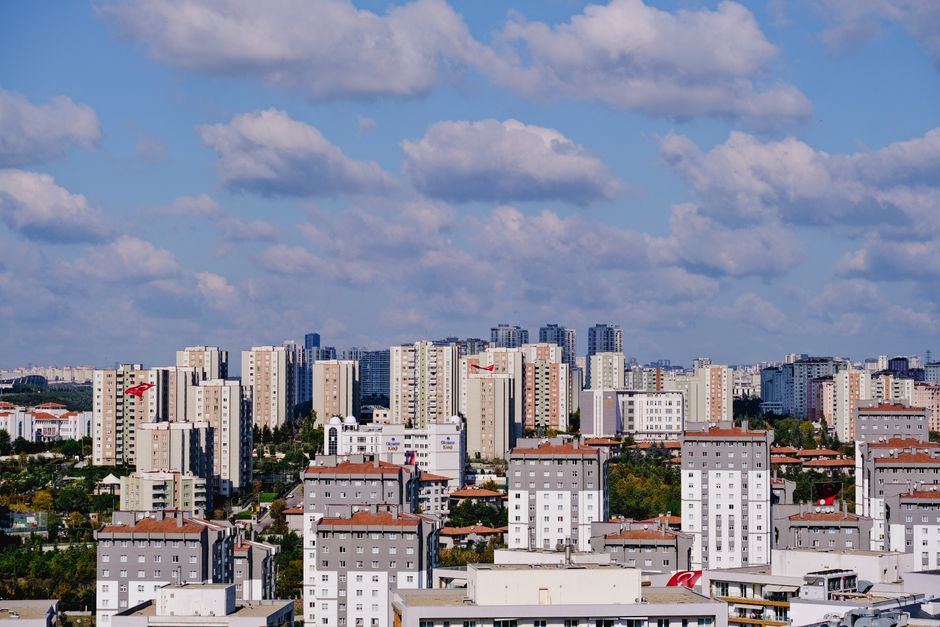
Istanbul's migrant communities are bracing for another challenging season as housing costs spike and official processing backlogs deepen, according to developments this week that underscore the mounting strain on the city's integration infrastructure.
Fatih district, long considered the informal gateway for newly-arrived migrants, has seen rental prices surge nearly 12% in the past month alone, with one-bedroom apartments in areas around Aksaray now commanding upwards of 8,500 lira monthly—pricing out many asylum seekers and irregular migrants. Community centres in Zeytinburnu report a 23% increase in housing enquiries compared to June last year, with staff citing geopolitical instability in neighbouring regions as the primary driver.
The Turkish Red Crescent's Beyoğlu office confirmed this week that processing times for initial asylum interviews have extended to eight weeks, double the typical duration. A spokesperson noted that staffing constraints and increased caseloads—partly driven by circumstances across the region—have created significant backlogs. The organisation has appealed for additional government resources to manage demand.
Meanwhile, several grassroots initiatives have gained traction. The Balat-based NGO Mülteci Dayanışması announced Thursday that it has secured additional warehouse space in nearby Eyüpsultan to distribute relief supplies, and plans to expand its language classes in response to demand. Their summer programme, launching next week, will offer Turkish language instruction to 340 participants across three neighbourhood sites.
Commercial spaces along Vatan Caddesi have increasingly become informal gathering hubs, where community networks share employment leads and housing tips. Local shopkeepers report that the week's rise in street-level activity reflects both the influx of newcomers and deepening economic pressure on longer-term residents seeking supplementary income opportunities.
Istanbul's municipal integration coordinator acknowledged the pressures at a routine briefing, stating that while the city remains committed to supporting vulnerable populations, resources require careful allocation. The city's migrant population is estimated at between 580,000 and 750,000 individuals, though exact figures remain contested by advocacy groups who suggest official counts underestimate undocumented residents.
For many in Istanbul's migrant communities, this week encapsulated a familiar paradox: the city remains a vital refuge and economic lifeline, yet its welcoming capacity is increasingly tested by forces beyond municipal control. Advocates warn that without targeted investment in housing and processing infrastructure, vulnerabilities will only deepen as summer progresses.
This article was compiled by AI from the sources linked above and screened before publishing. See our editorial standards.