Istanbul's housing emergency didn't materialise overnight. The crisis consuming headlines today—with average apartment prices in Beyoğlu and Beşiktaş exceeding $15,000 per square metre—is the accumulated result of policy choices, market forces, and urban neglect stretching back three decades.
The trajectory becomes clear when examining the numbers. Between 2000 and 2020, Istanbul's population surged from roughly 10 million to 15.4 million, driven by rural-to-urban migration and economic centralisation. Yet building regulations and zoning frameworks remained largely unchanged from the 1980s. The Metropolitan Municipality's master plan, last comprehensively revised in 2009, failed to anticipate how technology hubs in Levent and financial corridors along the European side would accelerate demand for residential proximity to employment centres.
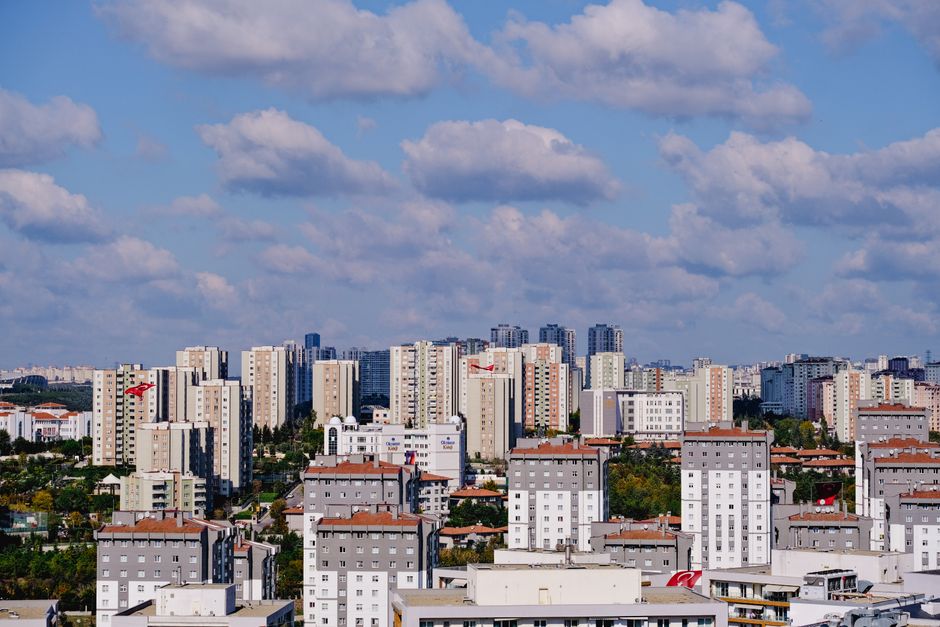
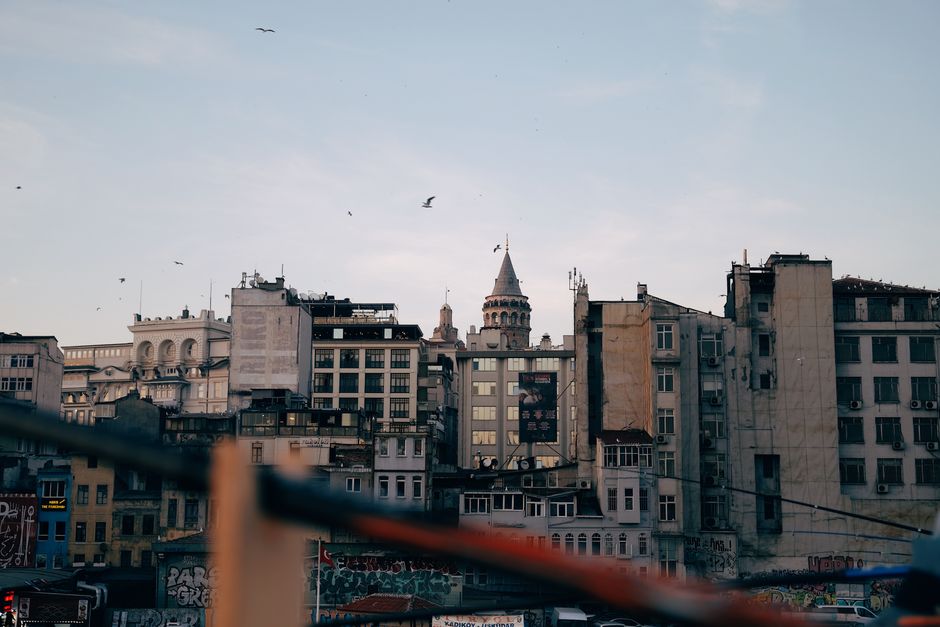
The consequences manifested predictably. Gecekondus—informal settlements—proliferated across the periphery in districts like Başakşehir, Pendik, and Esenyurt, where families unable to afford formal housing options constructed homes on municipal or private land. Meanwhile, central neighbourhoods underwent speculative transformation. Between 2015 and 2022, developers demolished thousands of older residential buildings in Taksim, Cihangir, and Fatih, replacing them with luxury projects targeting foreign and upper-class Turkish buyers. Property became an investment commodity rather than a housing solution for ordinary residents.
Banking deregulation and loose mortgage policies from 2010 onwards accelerated speculation. Real estate became the preferred wealth-storage mechanism for affluent Istanbullus during periods of currency instability, further inflating prices disconnected from local wages. A teacher earning 50,000 Turkish Lira monthly faced purchasing an apartment requiring 3-5 million Lira—an impossible ratio by any standard.
Institutional fragmentation worsened coordination failures. The Istanbul Metropolitan Municipality, 34 district municipalities, various development authorities, and private developers operated with competing interests and minimal integrated planning. Transport infrastructure lagged behind residential sprawl; the Marmaray rail connection helped but couldn't resolve fundamental supply-demand imbalances.
By 2024, the reckoning arrived. Affordability metrics placed Istanbul among Europe's least accessible housing markets relative to incomes. The government commissioned new urban planning reviews while activists and housing rights organisations amplified calls for rent controls, social housing investment, and speculative taxation.
Understanding this trajectory matters as Istanbul approaches critical decisions about zoning reform, public housing expansion, and density regulations. The question officials now face isn't simply how to build more homes, but how to correct decades of planning fragmentation while protecting existing communities from displacement.
This article was compiled by AI from the sources linked above and screened before publishing. See our editorial standards.