Walking through Fatih on a Friday afternoon, you'll hear Arabic, Dari, Kurdish, and Turkish layered over the call to prayer—a linguistic tapestry that reflects Istanbul's evolving identity. With an estimated 700,000 migrants and asylum seekers now residing in Turkey's largest city, Istanbul has become a de facto laboratory for integration policy, one that reveals both innovative solutions and stubborn structural problems shared across the world's major cities.
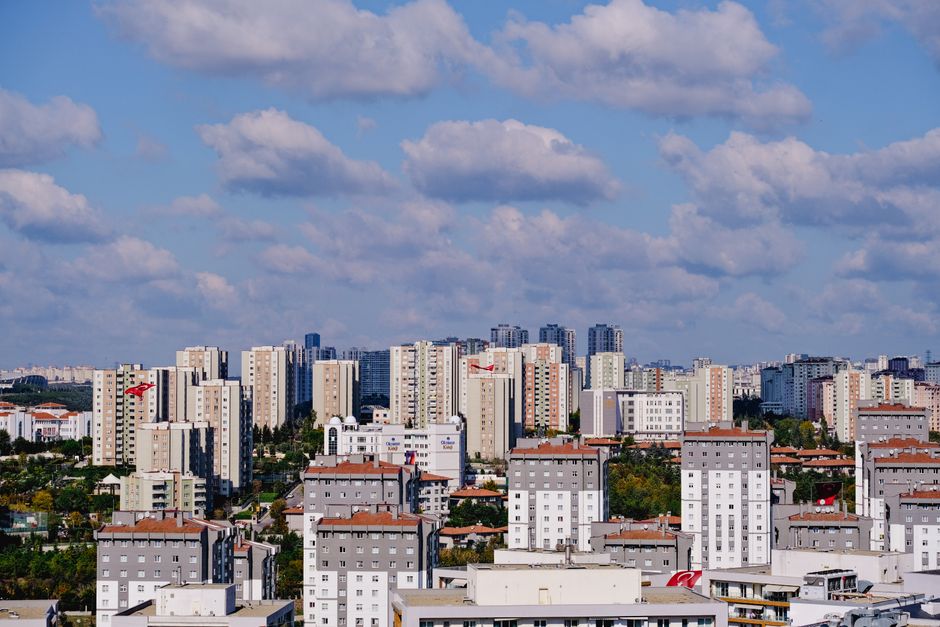
Unlike Berlin's decentralized approach or Toronto's points-based selection system, Istanbul's integration happens largely without formal framework. The Zeytinburnu and Fatih districts have absorbed the highest concentrations, where rent averages 8,500 TL ($285) monthly for basic apartments—a figure that forces economic clustering and limits dispersal. Community organizations like the Migrants' Solidarity Association operate from modest offices in Aksaray, filling gaps that official policy leaves open.
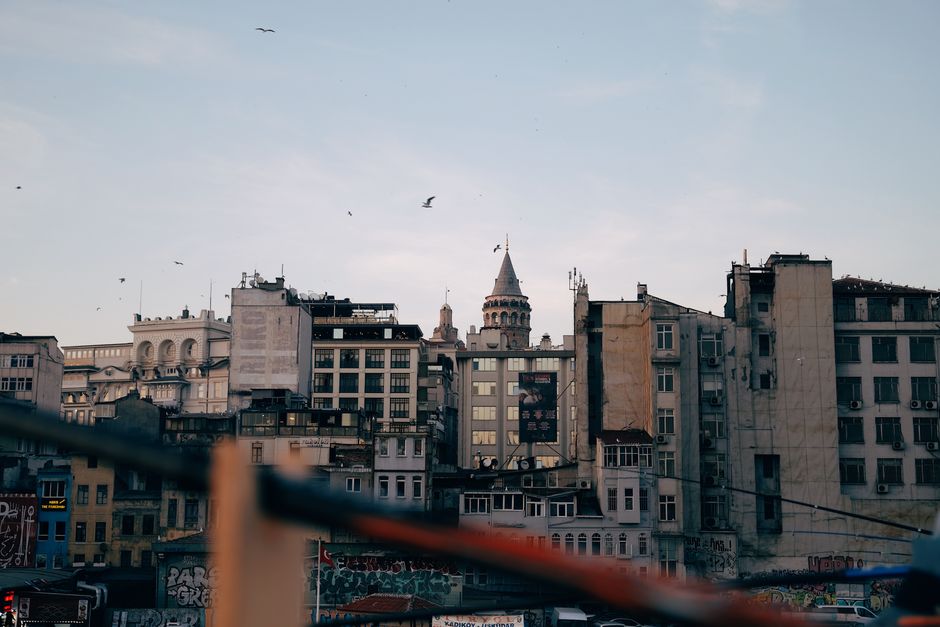
Dr. Ayşe Çetin, director of the Migration Research Institute at Koç University, observes that Istanbul's informal economy absorbs migrants faster than official channels do. Restaurants in Balat now advertise in four languages; tailors on Istiklal Caddesi train workers from Afghanistan and Syria. Yet this invisibility cuts both ways: without formal recognition, workers lack labor protections that their counterparts in Vienna or Amsterdam increasingly demand.
The numbers tell a complicated story. Istanbul hosts roughly 40% of Turkey's migrant population despite being one city among eighty-one provinces—a concentration that strains public services while generating economic vitality. Schools in neighborhoods like Gaziosmanpaşa report classrooms where Turkish speakers are now the minority, prompting curriculum adaptations that Barcelona and Copenhagen pioneered years ago.
What distinguishes Istanbul's approach, for better and worse, is its reliance on civil society rather than state infrastructure. Organizations operating from small offices and community centers have developed grassroots solutions—informal language classes, peer support networks, entrepreneurship workshops—that mirror initiatives in London's East End and Sydney's western suburbs. Yet without government backing, these efforts remain perpetually underfunded.
Compared to cities like Athens, drowning in refugee arrivals, Istanbul has managed relative stability. Compared to Singapore's carefully controlled migration, Istanbul's open-door policy creates constant tension. And unlike Canada's selective immigration system, Turkey accepts far more vulnerable populations with fewer resources per capita.
As other global cities tighten borders and debate integration models, Istanbul's organic, unplanned multiculturalism offers a mirror: integration happens whether we design it or not. The question is whether cities will invest in making it equitable or allow market forces and informal networks to determine who thrives and who merely survives.
This article was compiled by AI from the sources linked above and screened before publishing. See our editorial standards.