Istanbul's Housing Crisis Deepens as Officials and Experts Clash Over Planning Strategy
City planners, academics, and government officials offer competing visions for tackling soaring rents and sprawl across Turkey's largest metropolis.
City planners, academics, and government officials offer competing visions for tackling soaring rents and sprawl across Turkey's largest metropolis.

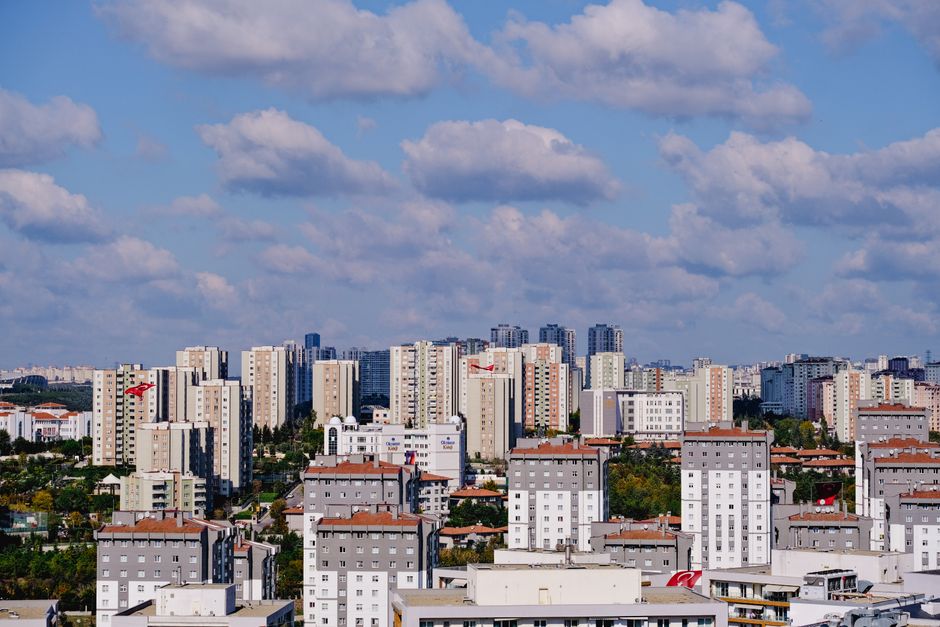
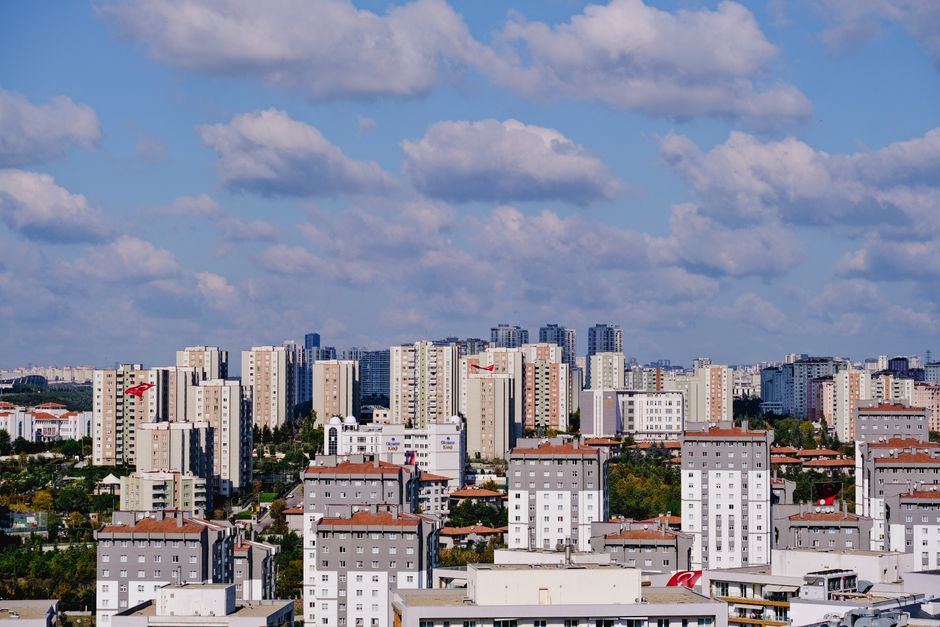
Istanbul's housing affordability crisis has become the focal point of an increasingly contentious debate among city officials, urban planners, and policy experts, with stakeholders offering sharply divergent views on how to address the shortage of affordable homes across neighbourhoods from Beyoğlu to Bağcılar.
The Metropolitan Municipality's recent housing initiatives, unveiled earlier this year, have drawn scrutiny from academics at Istanbul Technical University's Faculty of Architecture, who argue that proposed developments in peripheral areas like Çekmeköy and Sancaktepe risk perpetuating urban sprawl rather than densifying existing infrastructure. According to data presented at a June housing forum, average rental prices in central districts have risen 28 percent over two years, while homeownership remains out of reach for middle-income families across the city of 16 million.
"The current approach prioritises developer interests over sustainable urban design," said a spokesperson from the Chamber of Architects Istanbul during recent consultations on zoning amendments in Şişli and Levent. Officials countered that accelerated permitting processes are necessary to meet housing demand and that mixed-income projects along the newly proposed development corridors would serve multiple demographics.
The debate has intensified following the Municipality's announcement of a 50,000-unit development pipeline through 2030, with considerable disagreement over implementation. Housing rights advocates have called for stronger rent controls and mandatory affordable units in new construction, while business associations warn that regulatory tightness could discourage investment. Think tanks including the Istanbul Policy Center have published competing analyses on density thresholds and transit-oriented development models.
Government officials emphasize infrastructure readiness, pointing to ongoing metro extensions toward Ümraniye and water system upgrades as foundations for expansion. However, environmental groups have raised concerns about green space loss in areas like Belgrad Forest's buffer zones, where proposals for residential clusters have surfaced.
The tension reflects broader questions facing the city: whether Istanbul should consolidate development around existing commercial hubs like Maslak and Levent, or strategically expand outward while improving public transport connectivity. Transit authority statements suggest investment in bus rapid transit networks could support satellite communities, though transit planning officials acknowledge capacity constraints.
Resident associations in established neighbourhoods have mounted organized resistance to zoning changes, particularly in Kadıköy and Beşiktaş, where gentrification pressures already reshape demographics. Meanwhile, displaced populations in informal settlements around the city's periphery await clarity on relocation frameworks.
As the Municipality prepares revised master plans for consultation this autumn, the question remains whether officials and experts can forge consensus on a strategy that balances growth, affordability, sustainability, and livability—or whether Istanbul's housing future will be determined by market forces alone.
This article was compiled by AI from the sources linked above and screened before publishing. See our editorial standards.
How does this story make you feel?
Spread the word
About this article
Published by The Daily Istanbul
Daily brief
Free, in your inbox before 7am. Weekdays.
More in News