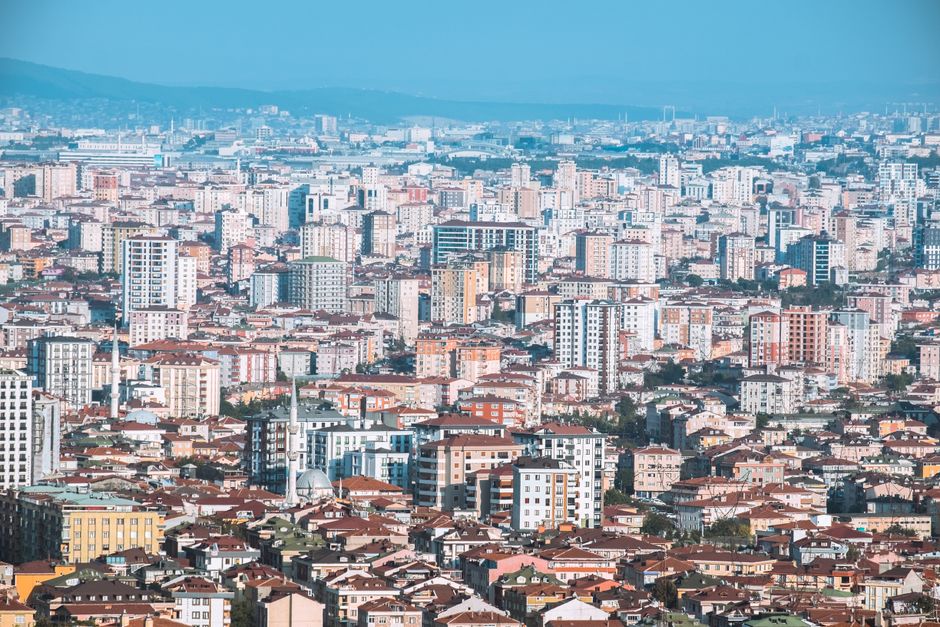
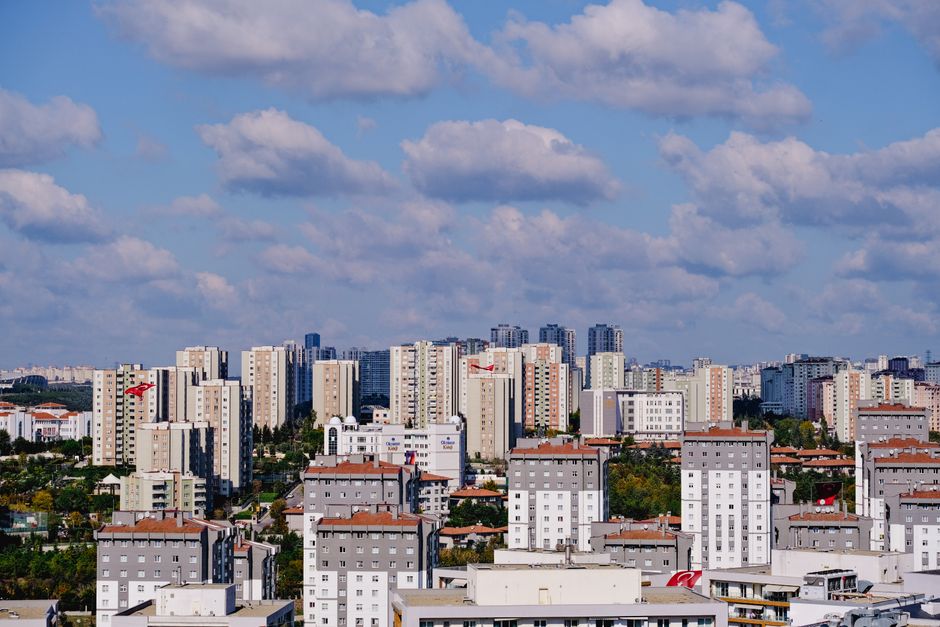
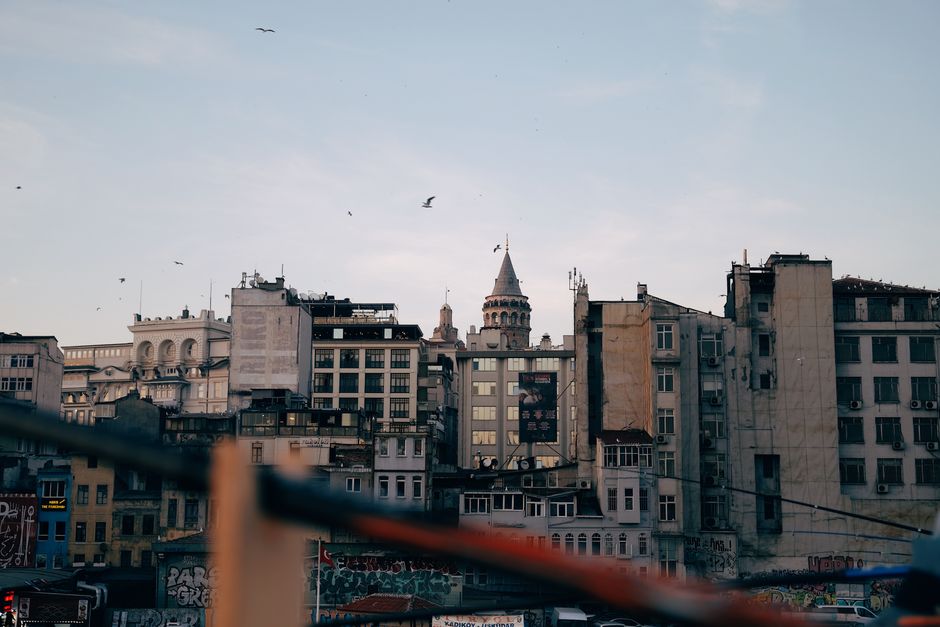
The jackhammers started before dawn on Fethiye Caddesi, waking shopkeepers in the warren of narrow streets that have defined the Fatih district for centuries. For the past eight months, residents have watched crews excavate beneath their neighbourhood as part of Istanbul's ambitious Metro Line M7 expansion—a €2.3 billion project designed to connect the historic peninsula directly to Beyoğlu and the northern suburbs by 2028.
The infrastructure push represents the city's largest transport modernisation since the opening of the Marmaray tunnel in 2013. Yet for those living above the construction sites, the promise of better connectivity clashes sharply with present-day realities. Small business owners report revenue drops of 30-40 percent, while residents describe months of vibration damage to centuries-old Ottoman buildings and near-constant noise pollution until late evening.
"My family's spice shop has been here since 1956," said one merchant near Nuruosmaniye Mosque, requesting anonymity over concerns about permit complications. "We understand progress, but when customers avoid the area because of dust and noise, what choice do we have?" Similar sentiments echo across the district's commercial corridors, where rents have already climbed 25-30 percent in anticipation of improved metro access.
The broader pattern troubles community advocates. The Turkish Urban Land Institute documented that areas within 500 metres of completed metro stations experience gentrification pressures within 18-36 months. In Eyüp, where preliminary excavation begins next year, residents worry about affordability. Current monthly rents for two-bedroom apartments average 18,000 Turkish lira; community organisations project increases to 24,000-26,000 within three years of line completion.
Municipality officials argue the expansion will reduce car dependency, cutting commute times from the peninsula to the northern business district from 45 minutes to 18 minutes. They cite ridership data showing the M2 line carries 750,000 passengers daily and point to improved air quality in areas served by older metro routes.
Yet residents distinguish between abstract benefits and lived experience. Youth groups organising in community centres along Atatürk Bulvarı have begun documenting displacement stories, while the Fatih Residents' Association formally requested enhanced compensation schemes for affected businesses and structural damage assessments for heritage buildings.
As crews continue their underground work through summer, the tension between Istanbul's global aspirations and its neighbourhoods' local rhythms remains unresolved—a familiar negotiation for a city forever caught between transformation and tradition.
This article was compiled by AI from the sources linked above and screened before publishing. See our editorial standards.