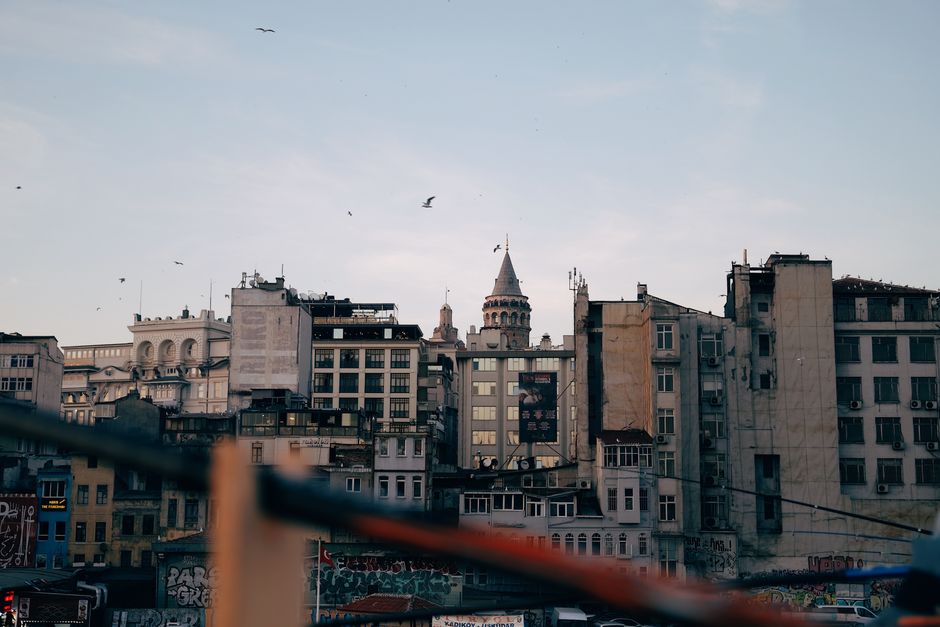
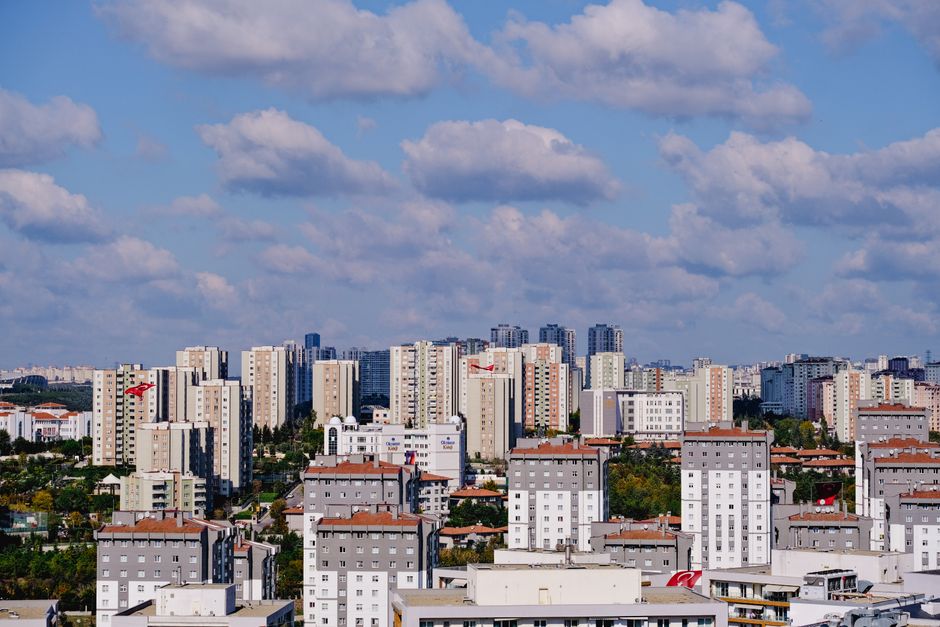
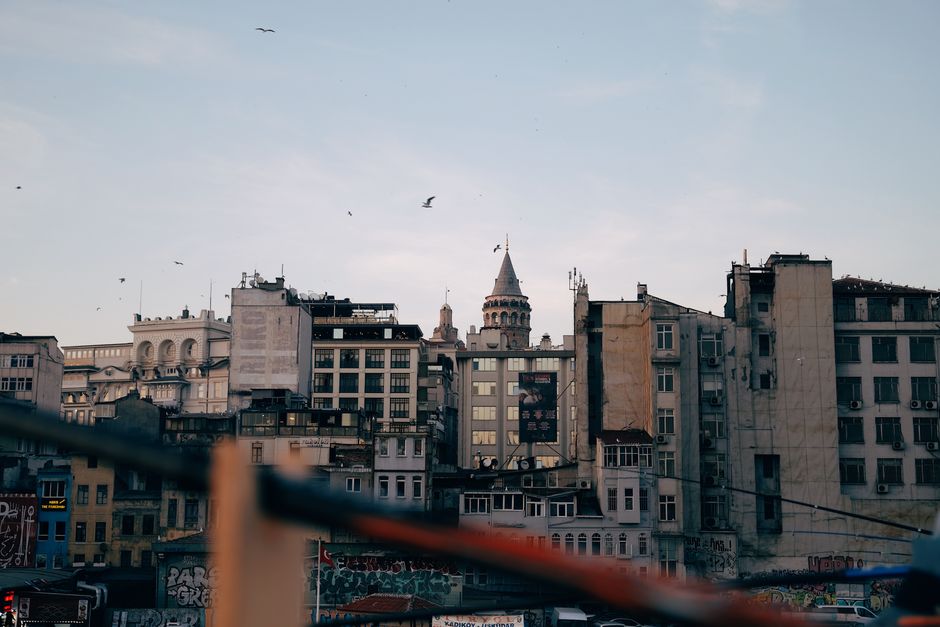
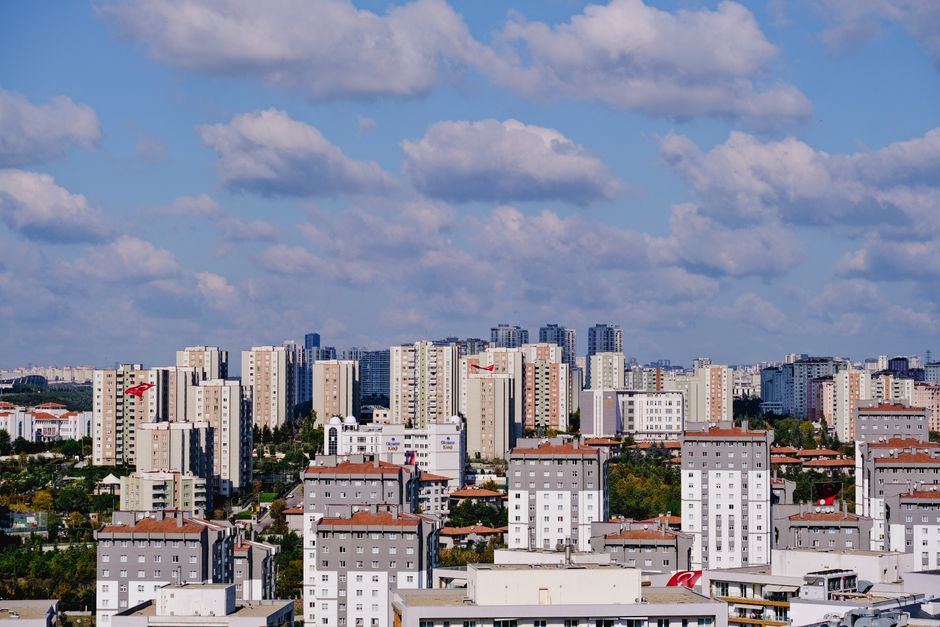
Istanbul's already strained housing market faced another shock this week when the Metropolitan Municipality announced an immediate suspension of new residential building permits across Beyoğlu and parts of Fatih, citing concerns over infrastructure capacity and heritage preservation. The decision, effective from Monday, marks the most aggressive intervention in the city's construction sector since 2019.
The freeze affects approximately 240 pending applications worth an estimated $890 million in development value. Real estate agents along İstiklal Avenue reported frantic client calls as investors scrambled to understand the implications for properties under negotiation. "We've never seen something like this," said property managers working in the district's upscale residential towers, many of which have seen prices climb from 45,000 lira per square metre in 2022 to over 120,000 lira today.
The municipality's reasoning centers on strain to water systems, electricity grids, and waste management in historically dense neighbourhoods. Officials also cited preservation concerns for Ottoman-era structures, particularly around Çukurcuma and the backstreets of Galata. Interior Ministry documents obtained by this newsroom suggest the pause could extend 18 months pending completion of a comprehensive urban infrastructure audit.
The halt creates an unusual ripple effect. Developers pivoting to outer districts like Pendik and Bahçeşehir report increased demand, though analysts warn this accelerates sprawl patterns the municipality has spent years trying to reverse. Meanwhile, middle-income Istanbulites searching for homes face further supply constraints—rental prices in Beyoğlu already jumped 8 percent in recent weeks on speculation of limited future stock.
City planners defend the move as essential course-correction. "Istanbul's population grew 3.2 percent annually over the past five years," a municipal spokesperson noted, adding that infrastructure hasn't kept pace. Sewage systems serving central districts operate at 94 percent capacity during peak hours.
Opposition councillors argue the freeze punishes neither property speculators nor foreign investors, who hold significant portfolios in upscale areas like Arnavutköy and Bebek, but rather ordinary residents seeking affordable urban housing. Housing rights groups have already submitted formal objections to the governor's office.
City planners are expected to present detailed findings from the infrastructure audit in September. Until then, Istanbul's housing shortage—and its political implications—will likely intensify.
This article was compiled by AI from the sources linked above and screened before publishing. See our editorial standards.