Istanbul's Green Gamble: How Turkey's Megacity Stacks Up Against Global Sustainability Leaders
As major cities worldwide race to slash emissions, Istanbul is charting its own path—with mixed results that reveal both promise and peril.
As major cities worldwide race to slash emissions, Istanbul is charting its own path—with mixed results that reveal both promise and peril.
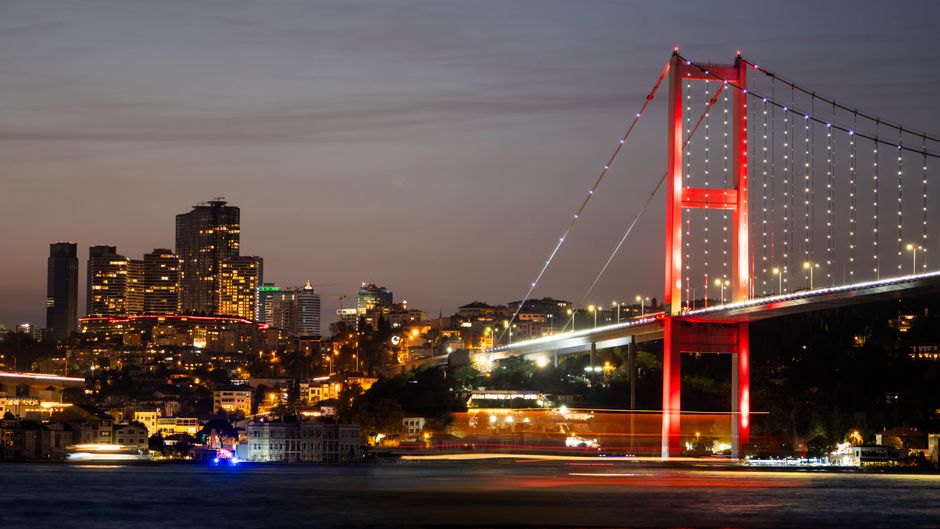
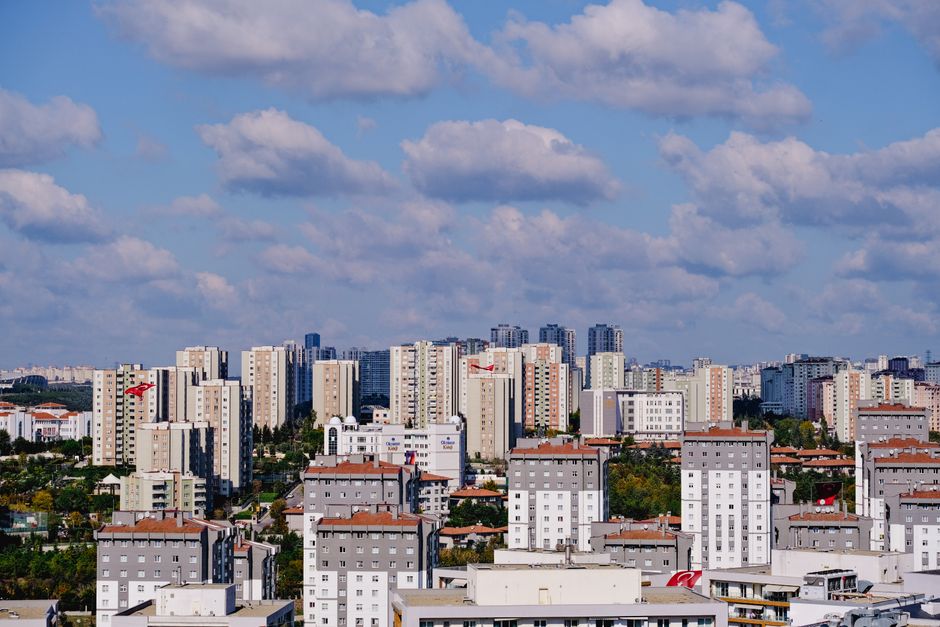
Istanbul faces a sustainability crisis that few global cities can match. With 16 million residents sprawling across two continents, the metropolis generates approximately 28,000 tonnes of waste daily, yet recycling rates hover around 12 percent—well below the 50 percent targets set by comparable European capitals. Still, recent initiatives suggest the city is beginning to narrow the gap with sustainability leaders like Copenhagen and Barcelona.
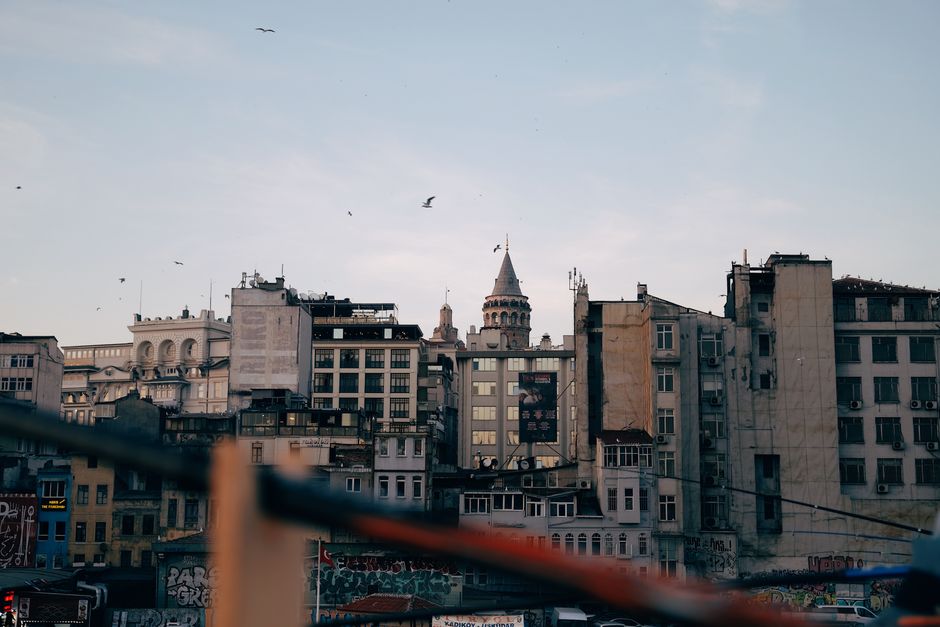
The Taksim-Kabataş cable car project, completed in 2024, epitomizes Istanbul's push toward low-carbon transport. The two-kilometre route eliminates roughly 15,000 daily vehicle journeys, drawing comparisons to aerial transport systems in La Paz and Hong Kong. Meanwhile, the city's expanding metro network—now exceeding 90 kilometres—aims to reduce car dependency that has historically choked neighbourhoods from Şişli to Kadıköy.
Water management represents Istanbul's most critical frontier. The city sources roughly 60 percent of drinking water from three lakes vulnerable to climate stress, a predicament more acute than challenges facing London or Berlin. The recent activation of water recycling plants across the Bosphorus aims to recover 100 million cubic metres annually by 2030, positioning Istanbul competitively against Singapore's advanced desalination infrastructure.
Green spaces tell a more sobering story. At just 7 square metres per capita, Istanbul trails Munich (18 sq m) and Paris (14 sq m) significantly. The 2,200-hectare restoration of Belgrade Forest near Sarıyer offers a beacon, yet many neighbourhoods remain cement-dominated. The municipality's plan to increase urban green cover by 25 percent before 2030 requires sustained political will and funding—a test other major cities have struggled to pass.
Energy transition efforts show emerging ambition. Solar installations across municipal buildings in Fatih and Beyoğlu now generate 2.5 megawatts annually, rivalling early-stage programs in Athens and Madrid. However, coal's lingering role in regional power generation means Istanbul's carbon footprint remains nearly triple that of renewable-heavy Oslo.
What separates Istanbul from global leaders isn't ambition but execution. The city possesses the demographic scale and economic resources of peer megacities. Yet institutional fragmentation—with multiple municipal bodies, provincial governments, and private entities often working at cross-purposes—remains a uniquely local obstacle that Barcelona and Tokyo have managed more effectively through unified governance structures.
As climate pressures intensify, Istanbul's trajectory will likely mirror not one global model but rather a patchwork reflecting its complex urban fabric. The next five years will determine whether the city emerges as a cautionary tale or a proof-of-concept for megacities navigating the sustainability transition.
This article was compiled by AI from the sources linked above and screened before publishing. See our editorial standards.
How does this story make you feel?
Spread the word
About this article
Published by The Daily Istanbul
Daily brief
Free, in your inbox before 7am. Weekdays.
More in News