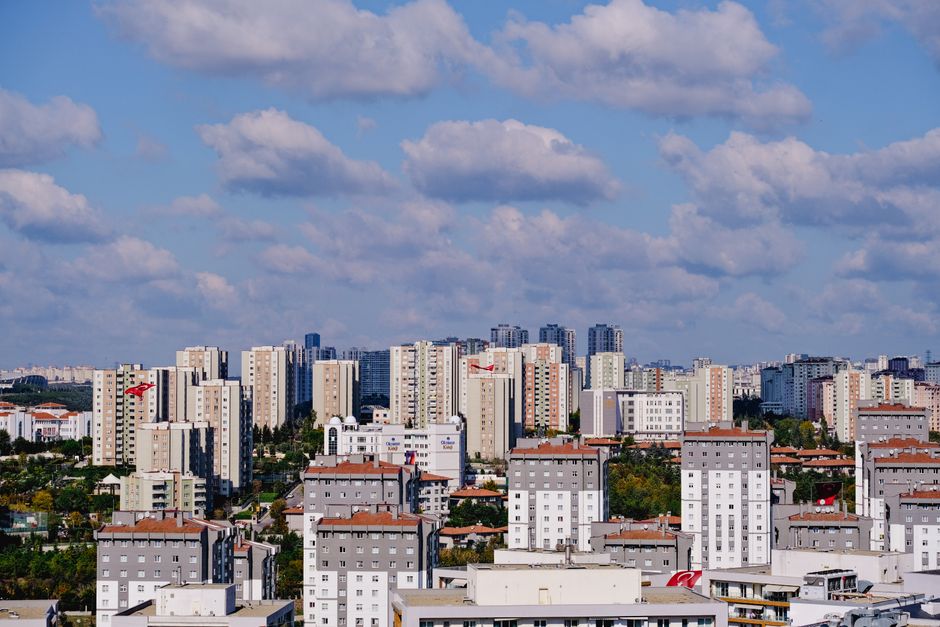
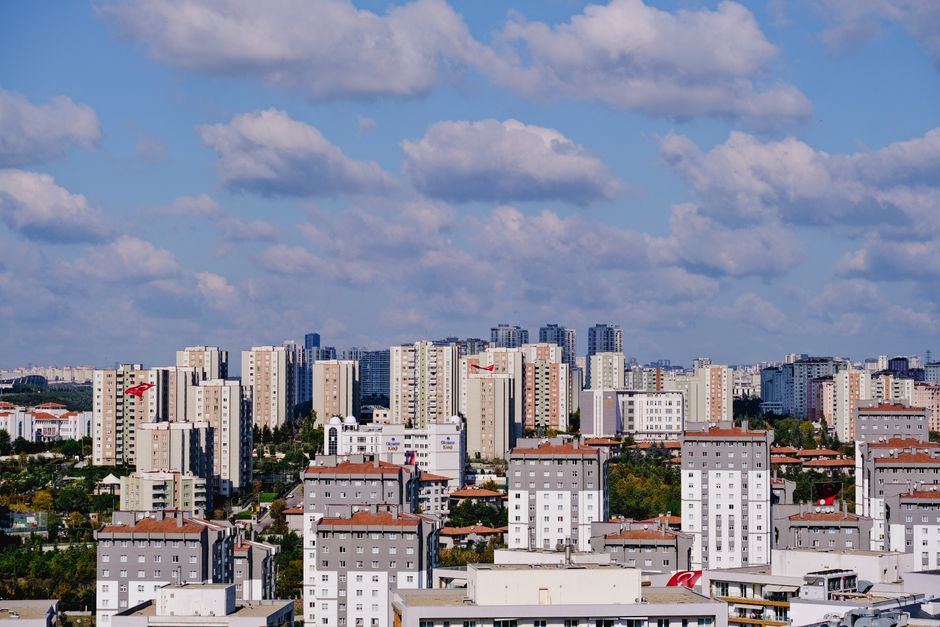
For Ayşe Karakuş, a schoolteacher living in Şişli, the commute to her workplace near Taksim has become a daily endurance test. At 6:45 a.m., she boards a minibus that crawls through traffic-choked streets, a journey that once took 20 minutes but now stretches to nearly an hour. She is far from alone. Istanbul's transport infrastructure has become the city's most pressing vulnerability as the metropolitan area approaches 16 million residents, with vehicle registrations climbing 8% annually since 2022.
The completion of the Istanbul Airport Metro Line—scheduled for late 2027—represents the most significant infrastructure intervention for ordinary residents since the Marmaray undersea rail tunnel opened in 2013. The 37-kilometre corridor will connect Halkalı, in the city's western suburbs, directly to Istanbul Airport in the north, with 16 intermediate stations strategically positioned through Eyüp, Gaziosmanpaşa, and Mecidiyeköy.
For communities like those in Eyüp Sultan, the project promises tangible relief. Current estimates suggest the new line will remove approximately 180,000 vehicle journeys from Istanbul's roads weekly—equivalent to taking roughly 45,000 cars off circulation. Public transport specialists calculate this could reduce average commute times by 25-35% for residents travelling to central business districts. Monthly transport costs for a regular commuter, currently averaging 400 Turkish Lira for fuel or dolmuş fares, could drop to 140 Lira through metro subscription pricing.
Yet the project's impact extends beyond mere convenience. The Metropolitan Municipality reports that traffic congestion costs Istanbul's economy approximately 37 billion Lira annually in lost productivity and wasted fuel. The airport connection directly addresses this: currently, travellers and airport workers spend an average of 75 minutes navigating from central Istanbul to the terminal. The rail link will compress this to 34 minutes, fundamentally altering how the city interfaces with the global economy.
Neighbourhood-level benefits are equally significant. Completed stations in Gaziosmanpaşa have already triggered modest property appreciation and attracted new retail investment. The Eyüp station, when operational, will anchor commercial development in a historically underserved district, creating an estimated 2,400 jobs in construction and retail sectors.
Construction delays have tested residents' patience—the original 2024 completion date slipped to 2027—but local administrators emphasise that the infrastructure investment reflects Istanbul's commitment to managing growth sustainably. For millions of Istanbulites, the countdown to opening day represents something more than a transit upgrade: it signals a city finally prioritising the daily lived experience of its residents over vehicular expansion.
This article was compiled by AI from the sources linked above and screened before publishing. See our editorial standards.