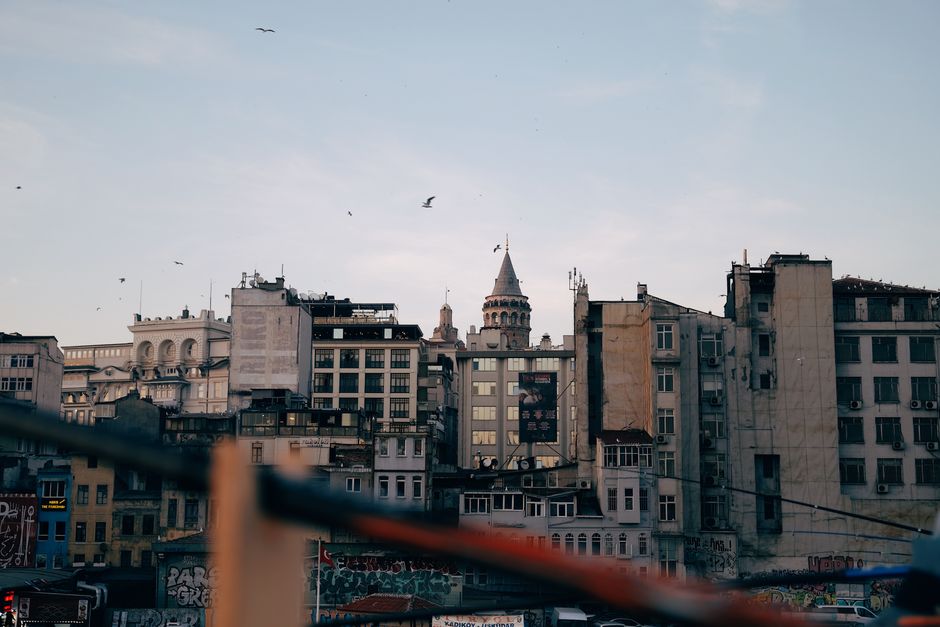
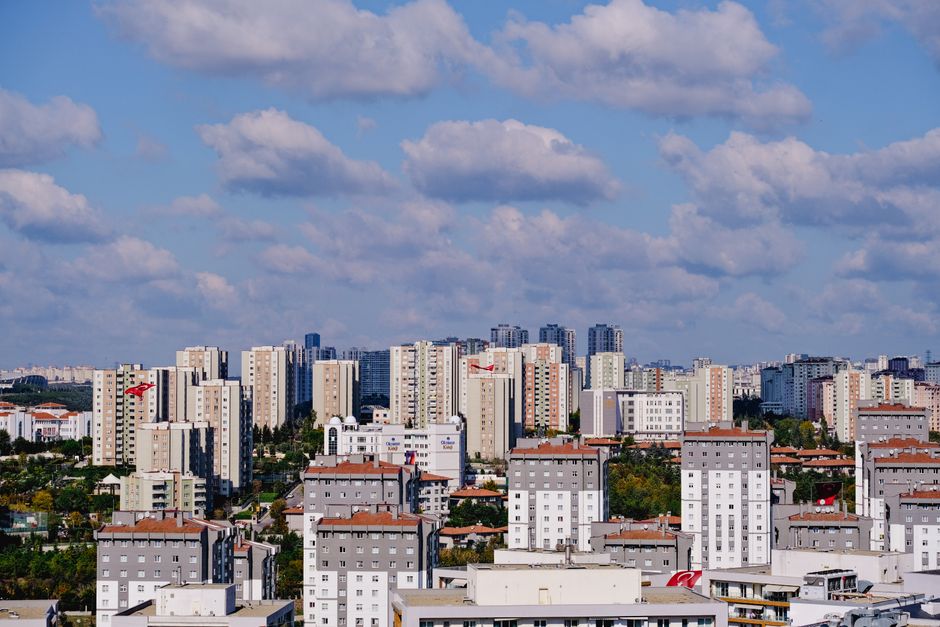
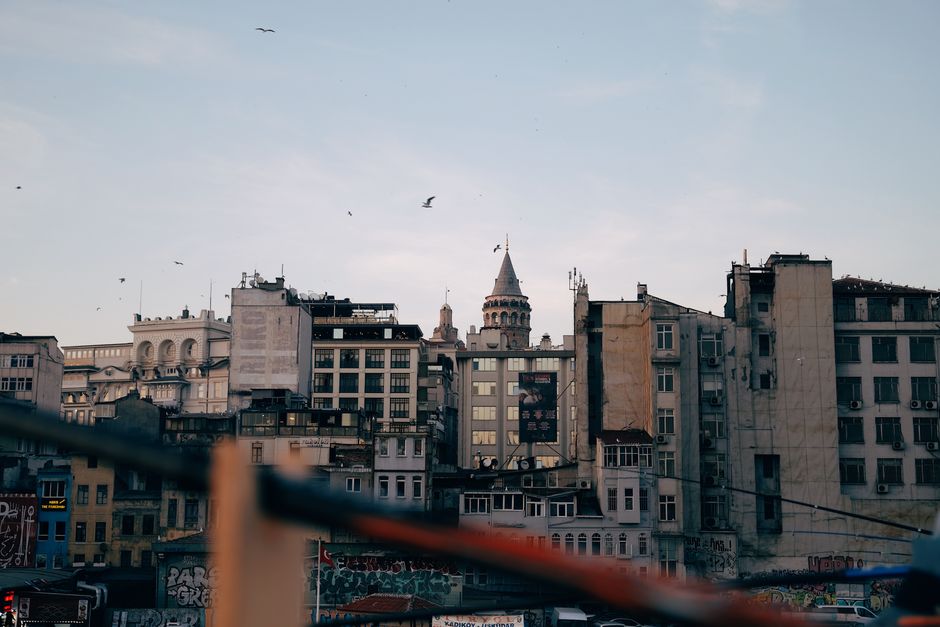
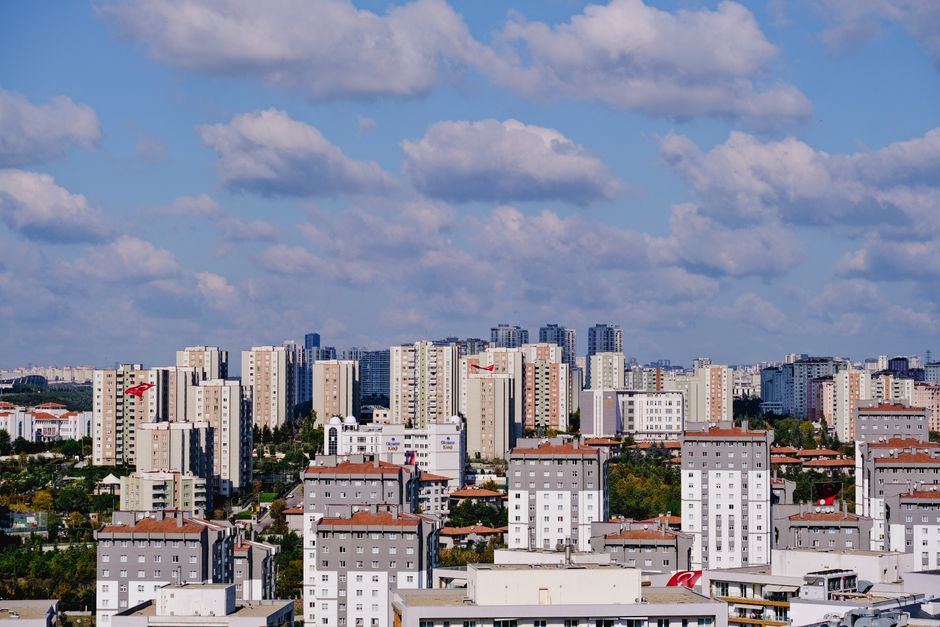
Walking through Balat on a humid June afternoon, the tension is palpable. The narrow cobbled streets that once housed fishermen and working families now display boutique storefronts selling artisanal coffee and handmade ceramics. For residents who have lived here for decades, the next twelve months represent a critical juncture: hold firm or accept the inevitability of change.
Property values in Balat have doubled since 2022, with modest two-storey homes now fetching 2.5 million Turkish lira—far beyond reach for locals earning average salaries of 35,000 lira monthly. The Balat Residents Association estimates that nearly 40 percent of traditional households have relocated in the past three years, replaced by short-term rental investors and young professionals from wealthier districts.
The stakes intensify as the municipality's Strategic Urban Development Plan enters its implementation phase this autumn. A decision looms: will the council impose rent controls and preservation measures for long-term residents, or embrace market-driven transformation that promises increased tax revenue but threatens neighbourhood character?
"We need to know what happens to us," says the director of the local Balat Community Centre on Çukur Caddesi, which serves approximately 150 families requiring housing support. The centre itself faces uncertainty—owners of its building have received multiple developer approaches, and the lease renewal negotiation begins next month.
Parallel decisions unfold across other historic quarters. Fener residents are debating whether to support a proposed heritage protection ordinance that would restrict commercial conversions. Sulukule, already devastated by urban renewal projects, serves as a cautionary tale: fewer than 200 of its original 3,500 Roma residents remain.
Community organisations are mobilising. The Istanbul Urban Memory Project has begun documenting residents' histories before displacement becomes irreversible. Meanwhile, grassroots initiatives like the Balat Youth Cooperative are exploring alternative models—community land trusts and resident-owned housing—though such solutions require municipal support and financing neither currently exists.
Municipal officials face their own pressure. Tourism revenue from heritage neighbourhoods exceeds 400 million lira annually, creating powerful incentives to accelerate gentrification. Yet unmanaged displacement risks creating a sterile theme-park version of Istanbul, stripped of authentic working-class culture.
The decisions made in July and August—in council chambers, developer negotiations, and community meetings—will determine whether Istanbul preserves pockets of authentic neighbourhood life or surrenders them entirely to market forces. For Balat's remaining residents, time is running out to influence that outcome.
This article was compiled by AI from the sources linked above and screened before publishing. See our editorial standards.