Istanbul's Metropolitan Municipality is entering a decisive phase this summer, with three major policy decisions looming that will fundamentally alter how the city functions and grows. The convergence of these choices—each with significant financial and social implications—means the next 90 days will prove critical for residents across all districts.
The most pressing issue concerns the expansion of the metro system beyond the current 76-kilometre network. Transport planners are debating whether to prioritise a northern extension toward Sarıyer and the Black Sea coast, or push eastward through Anatolia toward Pendik. The choice carries a €3.2 billion price tag and will determine commute patterns for nearly two million daily users. The Municipality's 2026 budget review, scheduled for July completion, must allocate initial funding, yet significant disagreement persists between district governors in Beyoğlu and the Asian side about which route serves residents most equitably.
The second critical decision involves the controversial Karakoy waterfront redevelopment project. The Golden Horn's historical significance clashes with modern development pressures, as property values in adjacent Balat and Fener neighbourhoods have surged 47% in three years. The Municipality must determine whether to proceed with the mixed-use commercial scheme or embrace a more heritage-focused approach championed by neighbourhood associations and the Istanbul Chamber of Architects. A final determination is expected by August.
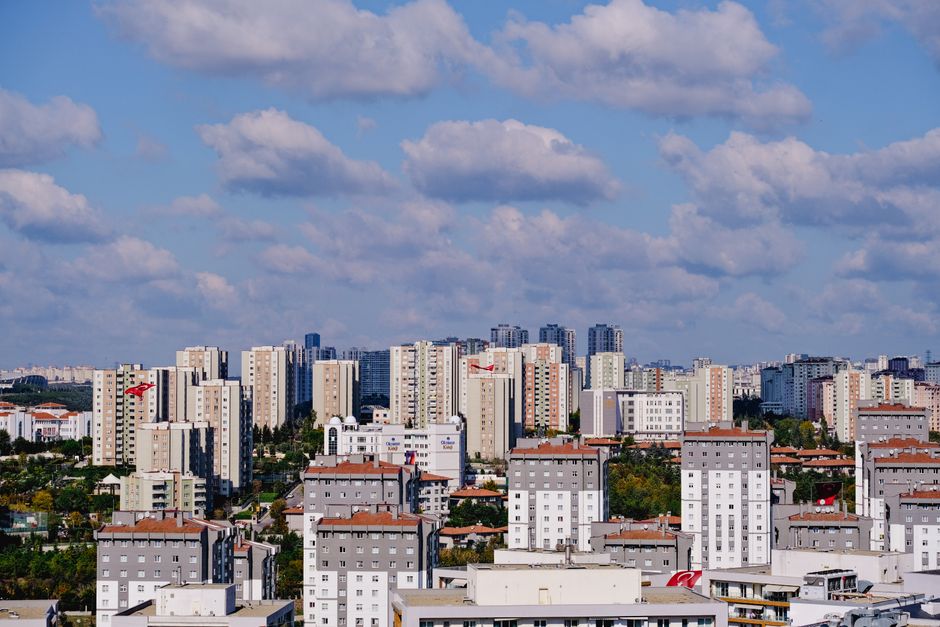
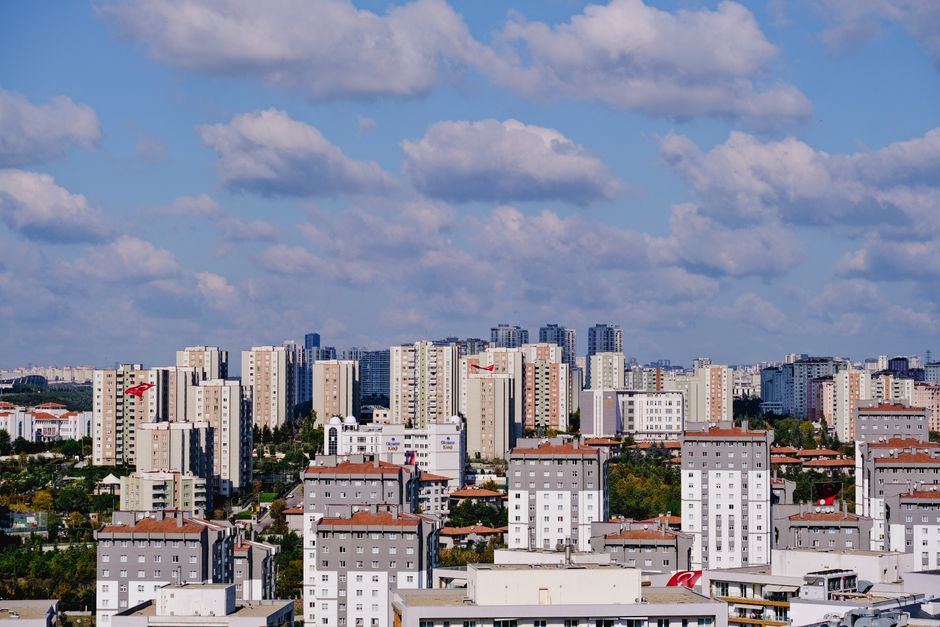
Perhaps most sensitive is the affordable housing crisis gripping outlying districts like Başakşehir and Bahçelievler, where average monthly rents now exceed 18,000 Turkish lire—pricing out middle-income families. The Municipality faces pressure to either enforce rent controls or accelerate its own social housing programme. A stakeholder consultation process involving construction firms, tenant unions, and academic institutions begins July 15th at the Istanbul Metropolitan Municipality headquarters on Saraçhane Street.
Complicating these decisions is budgetary constraint. Municipal revenue remains tight following earlier infrastructure investments in the Eurasia Tunnel and tram line upgrades. Officials must balance competing demands while maintaining public services across 39 districts serving 15 million people.
Opposition parties have already signalled their positions, with calls for transparent public consultation processes and independent impact assessments before major commitments. Civil society organisations, including the Istanbul Urban Development Coalition, are preparing formal submissions on each issue.
The Municipality's planning committee meets weekly through July and August. Residents seeking input can attend public forums or submit written comments through the Istanbul Metropolitan Municipality website. What emerges from these decisions will largely determine whether Istanbul remains affordable and accessible, or becomes increasingly stratified by geography and wealth.
This article was compiled by AI from the sources linked above and screened before publishing. See our editorial standards.