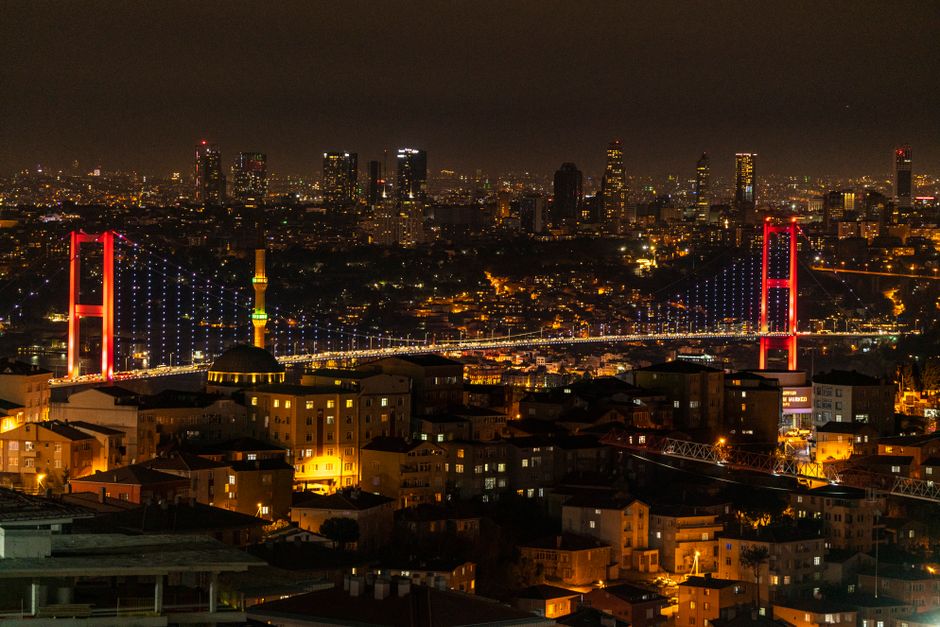
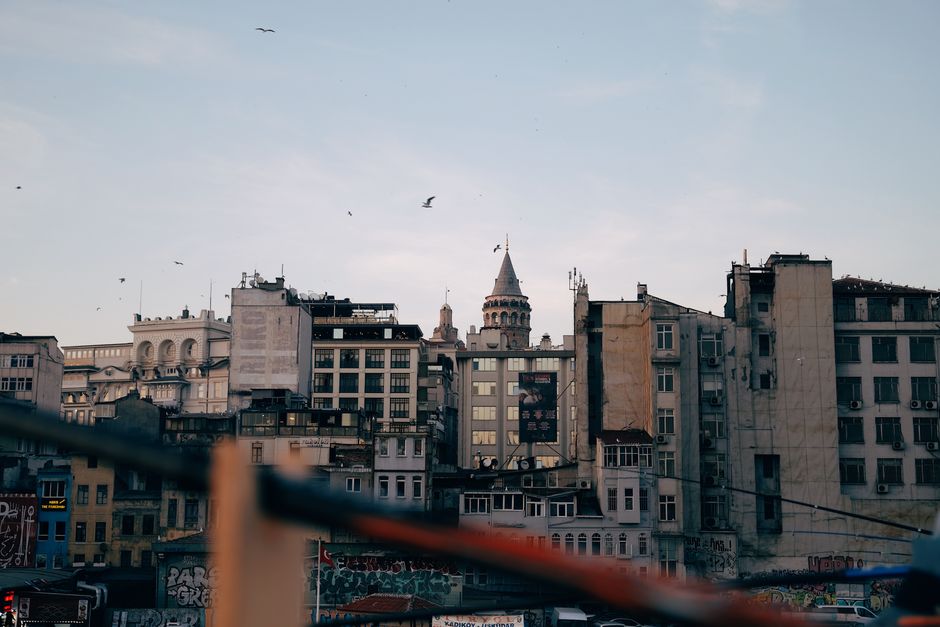
Walking through the narrow cobblestone streets of Balat on a weekday afternoon, the transformation is unmistakable. What was once a quiet neighbourhood where residents knew their neighbours by name has become a bustling tourist corridor, with selfie-stick-wielding visitors competing for space with elderly shopkeepers and schoolchildren heading home.
This summer, Istanbul's most picturesque districts are experiencing unprecedented pressure. Hotel booking platforms report a 34% surge in arrivals compared to June 2025, with Beyoğlu, Balat, and Sultanahmet absorbing the bulk of foot traffic. For residents navigating daily life in these neighbourhoods, the explosion presents an increasingly difficult reality.
"The morning walk to buy bread has become an obstacle course," says one Balat shopkeeper who has operated in the district for three decades. "Tourists mean business for some, but for families trying to live here, it's chaos. A one-bedroom apartment that rented for 15,000 lire three years ago now costs 45,000."
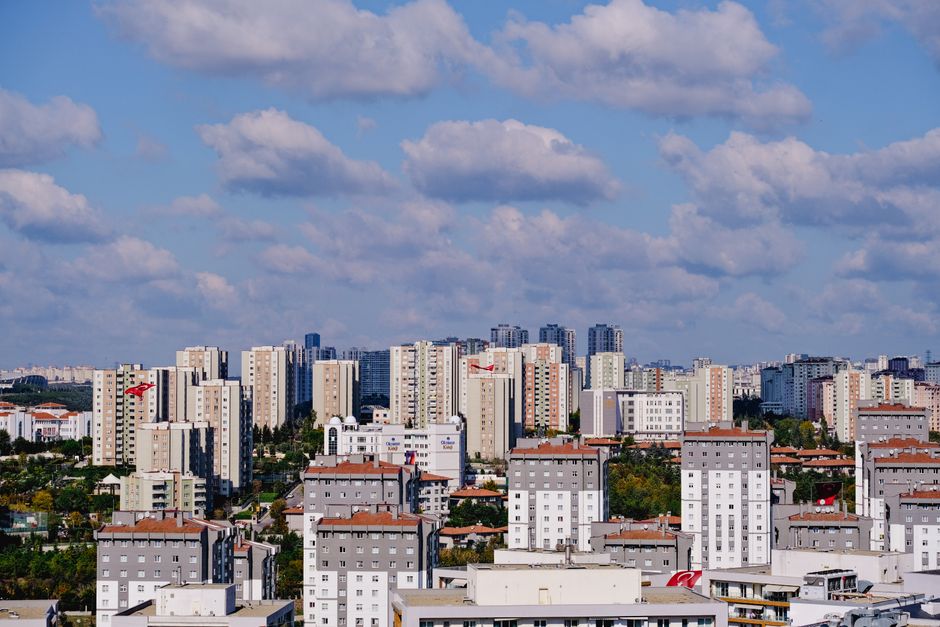
The Balat and Fener Neighbourhood Association has documented rising concerns among residents, particularly regarding noise pollution, waste management, and the closure of traditional businesses to make way for souvenir shops and Instagram-bait cafés. Local schools report declining enrolment as families relocate to outer districts like Başakşehir and Esenyurt seeking affordable housing and quieter surroundings.
"We're not against tourism," explains a community organiser based in Cihangir. "But there needs to be planning. Right now, it feels like the neighbourhood is being consumed rather than shared." The sentiment reflects broader anxiety about gentrification and cultural erosion gripping Istanbul's historic core.
Some residents point to successful models elsewhere. Balat's cultural heritage, they argue, could be better preserved through visitor management—designated quiet hours, capacity limits on walking tours, and incentives for preserving family-run businesses. Several neighbourhood associations have begun drafting proposals for the municipal government.
The Istanbul Metropolitan Municipality has acknowledged the pressure, citing ongoing infrastructure improvements and promising new policies by autumn. Yet for residents enduring daily life in these transformed spaces, relief cannot come soon enough.
"This is our home, not a theme park," one Sultanahmet resident remarked. "We hope the city remembers that before it's too late."
This article was compiled by AI from the sources linked above and screened before publishing. See our editorial standards.