Istanbul's housing market tells a story written entirely in statistics—and the numbers are increasingly alarming for ordinary residents. According to data released this month by the Istanbul Metropolitan Municipality's Planning and Urban Development Department, the city's rental costs have spiraled beyond the reach of nearly a quarter of its 15.8 million inhabitants, forcing a demographic exodus from the city's traditional heart.
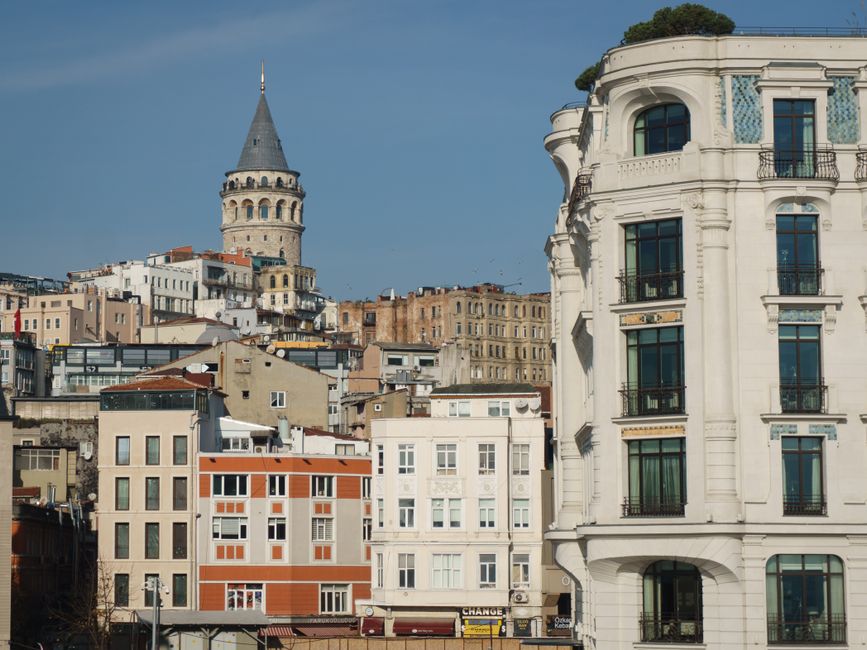
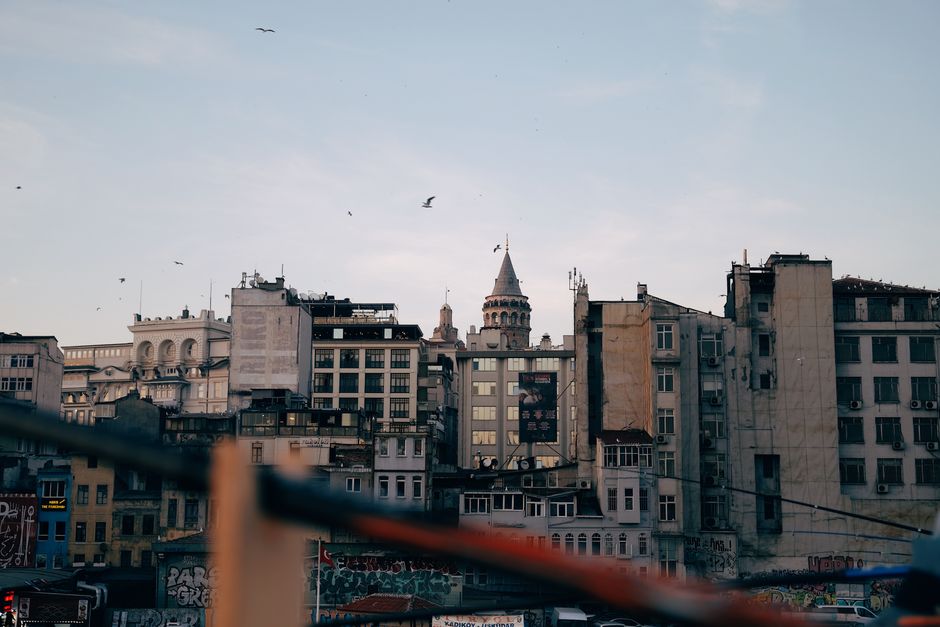
The figures are staggering. Average monthly rents in Beyoğlu have climbed from approximately 18,000 Turkish Lira in June 2023 to 30,100 Lira today—a 67% increase in just three years. Cihangir, long considered the cultural soul of the European side, now commands average rents of 32,000 Lira monthly for a two-bedroom apartment, pricing out freelance artists, writers, and service-sector workers who historically defined the neighbourhood's character.
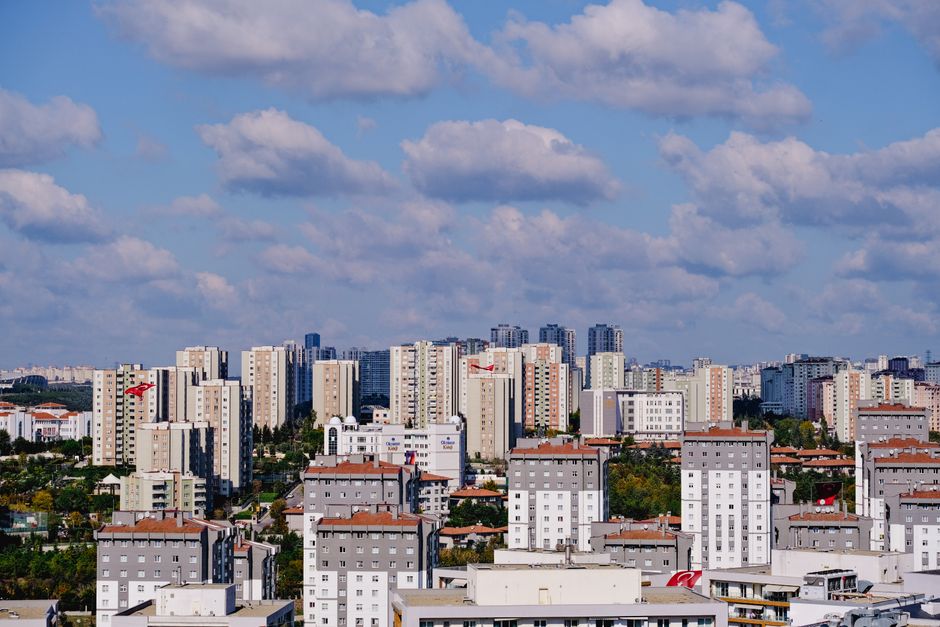
Meanwhile, new construction data presents a contradictory picture. The municipality recorded 847 new residential permits issued across Greater Istanbul in 2025, yet only 312 were designated as affordable housing units—representing just 37% of new supply. The gap between construction and affordability has created what planners call a 'shadow displacement': residents haven't vanished, but have migrated outward, with neighbourhoods like Bahçelievler and Ümraniye experiencing 14% population growth year-over-year, straining infrastructure in districts still equipped for smaller populations.
Real estate price inflation tells another story entirely. Properties in Nişantaşı averaged $8,400 per square metre in 2023; today they command $11,200—a 33% appreciation that has transformed the district into a speculative asset class rather than a residential community. By contrast, the same statistical analysis shows outer districts like Pendik and Kartal appreciating at just 8-11% annually, yet still remaining beyond reach for households earning under 45,000 Lira monthly.
The Istanbul Chamber of Commerce released supplementary research this June revealing that 340,000 residents earning between 25,000-50,000 Lira monthly now spend more than 40% of income on housing—double the internationally recommended threshold. The municipality's own housing strategy document, updated last quarter, acknowledges the crisis but proposes solutions affecting only 22,000 units by 2030, representing less than 1.3% of the city's total housing stock.
City planners cite zoning restrictions and high land values as primary obstacles. Yet the data suggests a deeper problem: policy frameworks designed for a city of 10 million are struggling to serve one of 15.8 million. Until numbers translate into policy action, Istanbul's housing crisis will only deepen.
This article was compiled by AI from the sources linked above and screened before publishing. See our editorial standards.