Istanbul's Transport Revolution by the Numbers: What $40 Billion in Investment Really Means
From the Kanal Istanbul megaproject to the expanding metro network, we break down the infrastructure statistics reshaping Turkey's largest city.
From the Kanal Istanbul megaproject to the expanding metro network, we break down the infrastructure statistics reshaping Turkey's largest city.
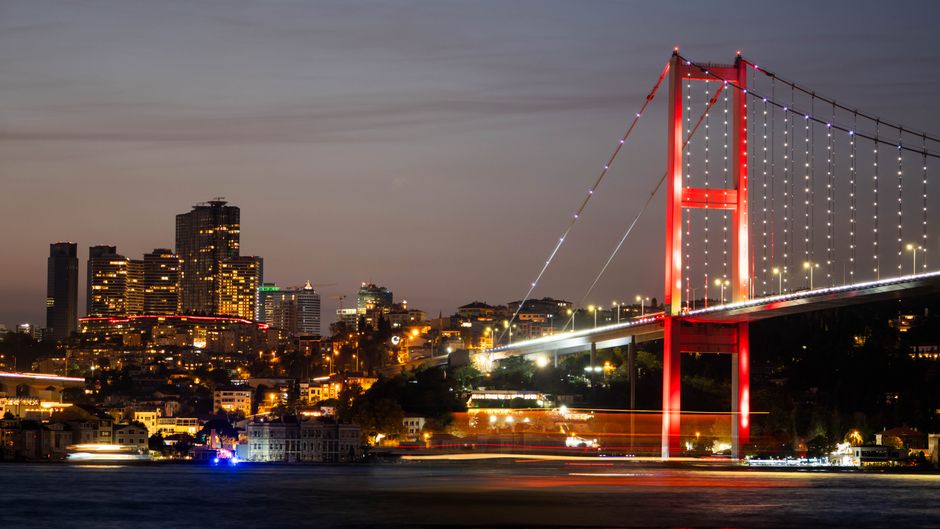
Istanbul's infrastructure ambitions have reached unprecedented scale. The city that straddles two continents is spending an estimated $40 billion across multiple transport mega-projects, reshaping mobility patterns for its 15.8 million metropolitan residents—a figure that has nearly doubled since 2000.
The most visible transformation is the metro expansion. As of mid-2026, Istanbul Metro operates 77.5 kilometres of track across nine lines, with the M7 line extension now reaching Halkalı in the western suburbs. The network transported 653 million passengers in 2025, representing a 7.3 per cent increase from the previous year. Daily ridership averages 1.78 million commuters. Yet capacity strain remains acute: peak-hour crowding on the M2 line between Taksim and Levent has prompted Istanbul Metropolitan Municipality planners to accelerate the M11 line project, which will add another 28 kilometres by 2028 at a cost of 8.4 billion Turkish lira.
The Marmaray commuter rail project, completed in 2013, continues delivering impressive returns on investment. The undersea tunnel component alone cost $1.5 billion, yet the system now carries 680,000 daily passengers across its 76-kilometre network—exceeding initial projections by 14 per cent. Average journey times from Halkalı to Gebze have dropped to 89 minutes, compared to 120 minutes via conventional road routes.
Bus rapid transit expansion tells a different story. The MetroBüs network now spans 150 kilometres across five dedicated corridors, transporting 1.2 million passengers daily. However, operational costs have risen 23 per cent since 2023, reaching 2.1 billion lira annually, straining municipal budgets amid inflation pressures.
The controversial Kanal Istanbul proposal—designed to create a 45-kilometre artificial waterway from the Black Sea to the Marmara—carries an estimated $65 billion price tag and remains under environmental review. Initial feasibility studies suggest construction would displace 627,000 residents across northern neighbourhoods including Eyüpsultan and Sarıyer.
Ferries remain economically vital. The Istanbul Ferry Network transported 148 million passengers in 2025, generating 1.9 billion lira in revenue. The recent acquisition of 12 electric-hybrid vessels—costing 4.2 billion lira total—represents a significant environmental commitment, with expected emission reductions of 2,300 tonnes annually by 2028.
Traffic congestion costs Istanbul's economy an estimated 82 billion lira yearly in lost productivity. These infrastructure investments, backed by substantial capital expenditure, represent a calculated bet that modern transport networks can reverse these figures.
This article was compiled by AI from the sources linked above and screened before publishing. See our editorial standards.
How does this story make you feel?
Spread the word
About this article
Published by The Daily Istanbul
Daily brief
Free, in your inbox before 7am. Weekdays.
More in News