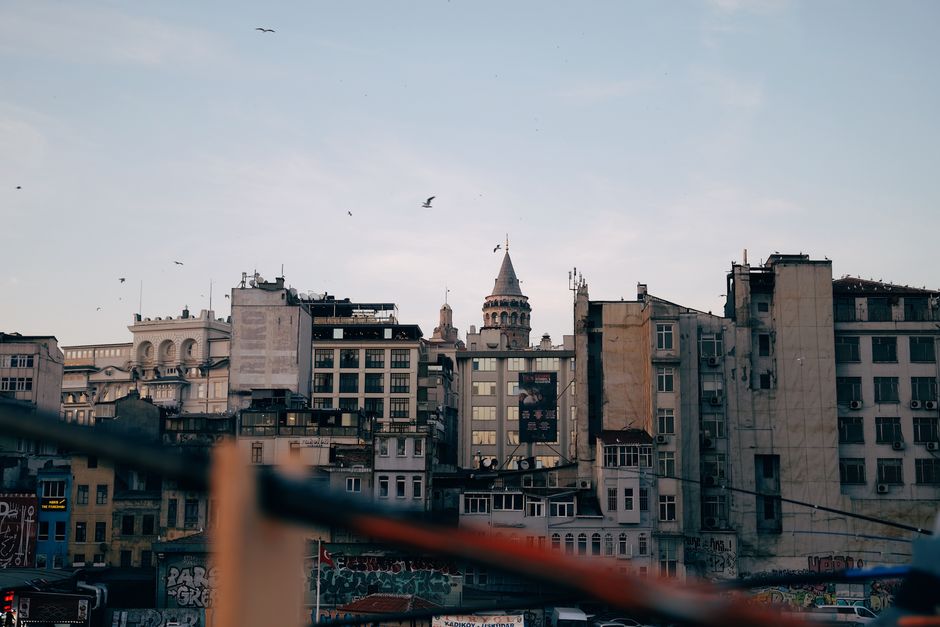
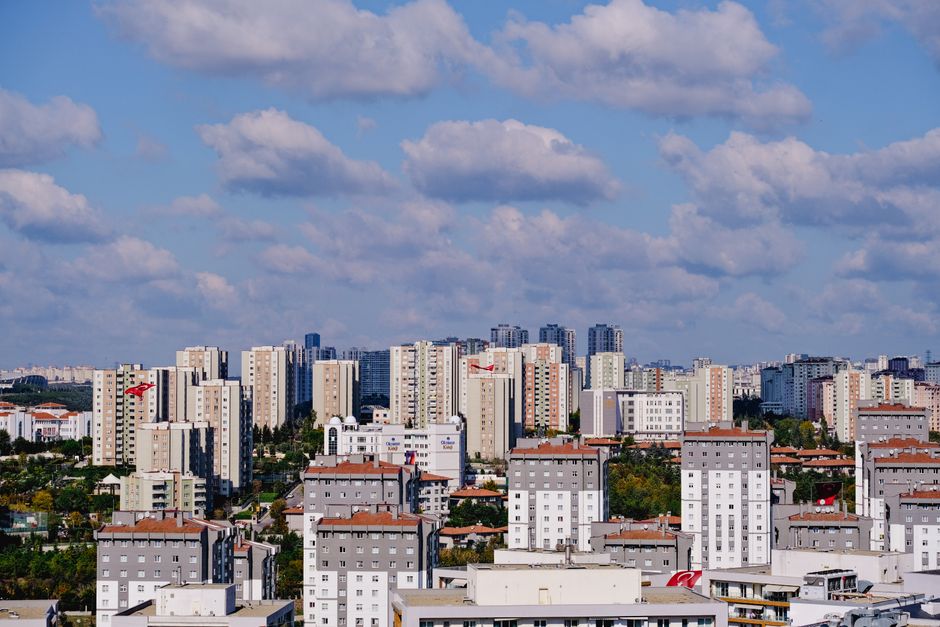
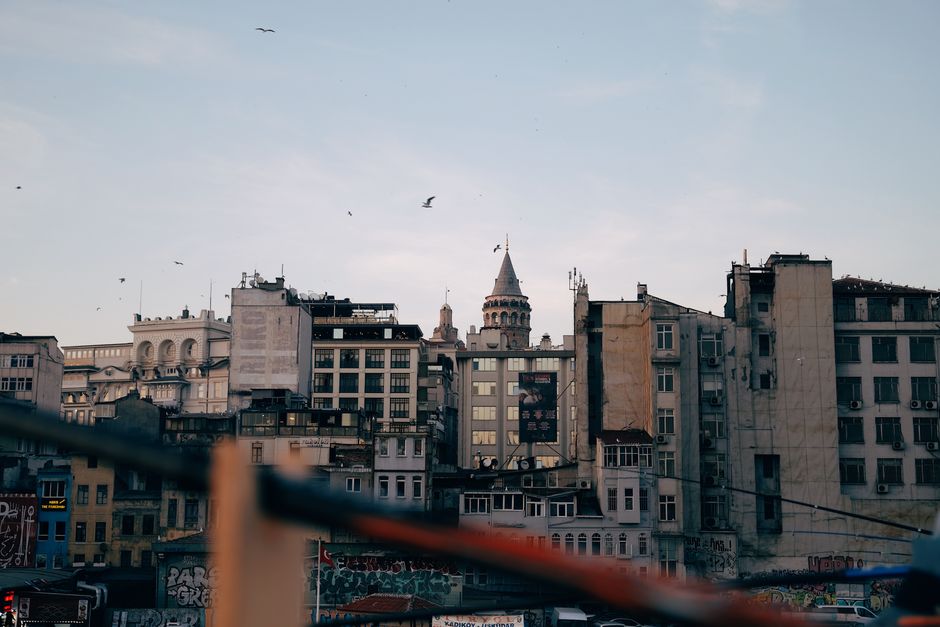
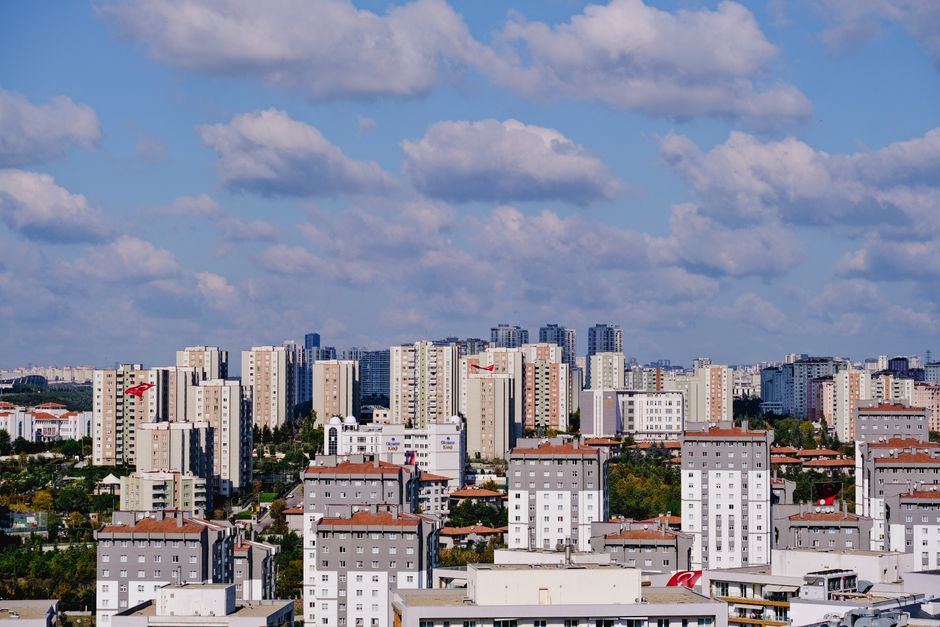
The transformation of Istanbul's university sector reads like a map of Turkey's broader ambitions. Ten years ago, the city's higher education institutions—from Boğaziçi University's historic Bebek campus to Marmara University's sprawling Avcılar grounds—faced mounting pressure: overcrowding, aging facilities, and a reputation for research output that lagged Western competitors. Today, those same institutions represent something markedly different: engines of global research partnerships, innovation hubs, and increasingly, magnets for international student recruitment.
The inflection point arrived around 2020, when Turkey's government doubled funding allocations to research universities and Istanbul's three major public institutions received a combined 850 million Turkish lira for infrastructure upgrades. Boğaziçi expanded its Rumeli Hisarı research park. Marmara renovated dormitories across its Göztepe satellite campus. Istanbul Technical University (ITÜ) opened new engineering laboratories in its historic Maslak facility, investing heavily in artificial intelligence and renewable energy research centres.
But infrastructure alone doesn't explain the shift. The numbers tell a more complex story. In 2015, approximately 22,000 international students attended Istanbul universities. By 2025, that figure had climbed to nearly 65,000—a three-fold increase driven partly by regional instability displacing students from Syria, Iraq, and Afghanistan, but also by deliberate marketing campaigns targeting European and Southeast Asian markets. Tuition fees for international students at private institutions like Koç and Sabancı universities now range from $25,000 to $45,000 annually, creating a two-tier system that critics argue has widened access inequality.
The demographic backdrop cannot be ignored. Istanbul's student population has contracted slightly—university-age cohorts peaked in 2016—yet the city remains home to roughly 450,000 students across all institutions. Nationally, Turkey's education ministry shifted university entrance requirements twice in six years, ultimately abandoning the YÖK centralized system's most rigid structures. This volatility forced Istanbul's universities to build internal resilience, developing their own admissions frameworks and, crucially, international partnerships.
Walking through Sultanahmet's streets or the Şişli district, one observes the material reality of this transition: satellite campuses multiplying, student accommodation clusters expanding toward the periphery, and global university rankings—once marginal to Turkish institutional thinking—now prominently displayed in promotional materials.
What remains contested is whether this modernisation serves Istanbul's broader population equitably. Public university slots remain fiercely competitive; private alternatives cluster in affluent neighbourhoods like Etiler and Ulus. The question facing policymakers is whether Istanbul's educational renaissance represents genuine democratisation or merely a sophisticated repackaging of existing hierarchies.
This article was compiled by AI from the sources linked above and screened before publishing. See our editorial standards.