Istanbul's housing squeeze has reached a critical juncture, with city officials, urban planners, and real estate experts offering starkly contrasting visions for solving a crisis that has fundamentally reshaped neighbourhoods from Kadıköy to Şişli over the past five years.
The statistics paint a dire picture. According to data compiled by the Istanbul Chamber of Architects, median rental prices in central districts have climbed 340 percent since 2021, with studio apartments in Beyoğlu now commanding upwards of 100,000 lira monthly. Meanwhile, purchasing a property within the European side's inner ring remains beyond reach for the average Istanbul family, with average prices hovering near 150,000 lira per square metre in neighbourhoods like Nişantaşı and Ortaköy.
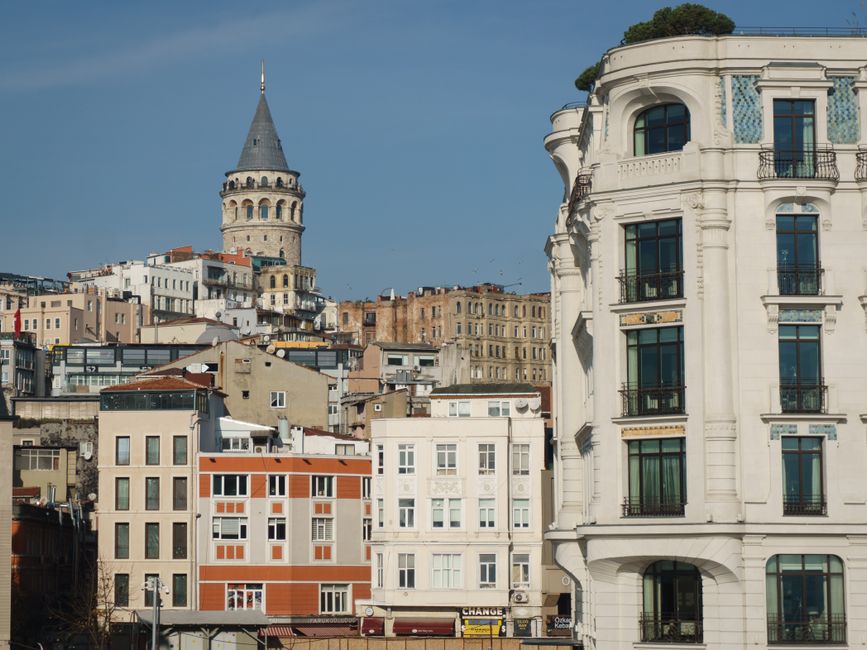
Municipal authorities have signalled support for increased zoning density around metro hubs—particularly along the anticipated extensions toward Başakşehir and the Marmaray corridor near Sirkeci. This strategy aims to boost housing supply by permitting mid-rise residential towers in previously restricted areas. However, preservation societies and residents' associations have raised concerns about maintaining Istanbul's architectural character in historic zones like Balat and Fener.
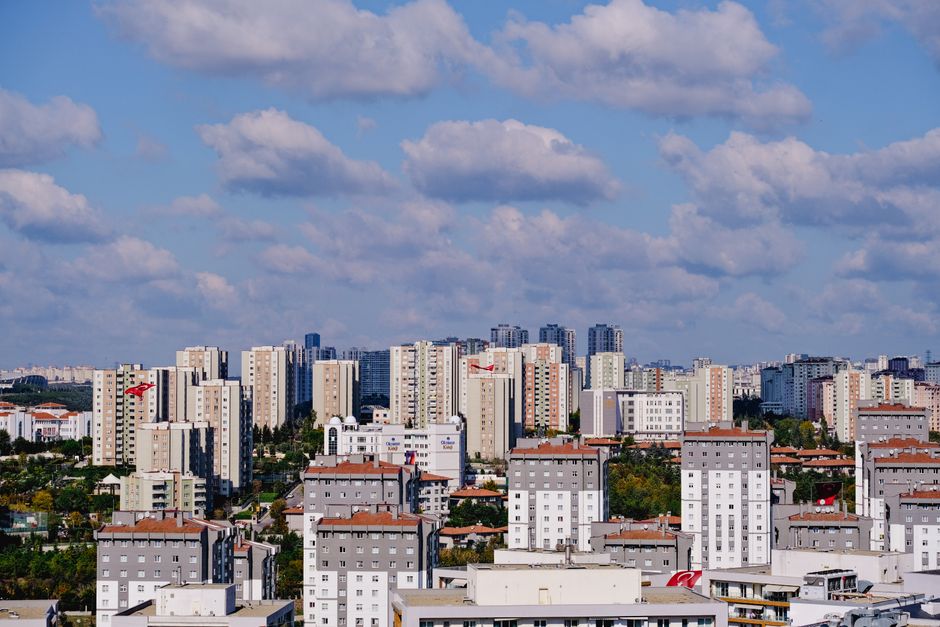
The Istanbul Metropolitan Municipality has emphasised its commitment to mixed-income housing developments on municipal land, though funding mechanisms remain unclear. Officials point to ongoing projects in outer districts like Avcılar and Bahçelievler as models, though critics argue these neighbourhoods lack adequate infrastructure and public transit connections to justify increased residential concentration.
Veteran urban planners at the Istanbul Technical University's Faculty of Architecture have called for more aggressive rent regulation and first-time homebuyer incentives, arguing that market-driven solutions alone cannot address displacement pressures affecting long-term residents. Some experts advocate for converting underutilised office space in Levent and Maslak into residential units, capitalising on post-pandemic remote-work trends.
Real estate developers counter that restrictive building codes and lengthy municipal approval processes stifle new supply. Industry representatives argue that streamlining permits could unlock thousands of housing units currently trapped in approval pipelines across districts from Bakırköy to Fatih.
The Turkish Statistical Institute's latest household survey suggests that nearly 1.2 million households across metropolitan Istanbul spend more than 40 percent of income on housing—a threshold typically indicating severe affordability stress. With migration to the city continuing at an estimated 400,000 annually, officials acknowledge the gap between housing demand and supply shows no signs of narrowing.
A comprehensive municipal housing strategy is expected before the end of summer, though observers remain sceptical that proposed measures will address the scale of the crisis facing millions of Istanbul residents.
This article was compiled by AI from the sources linked above and screened before publishing. See our editorial standards.