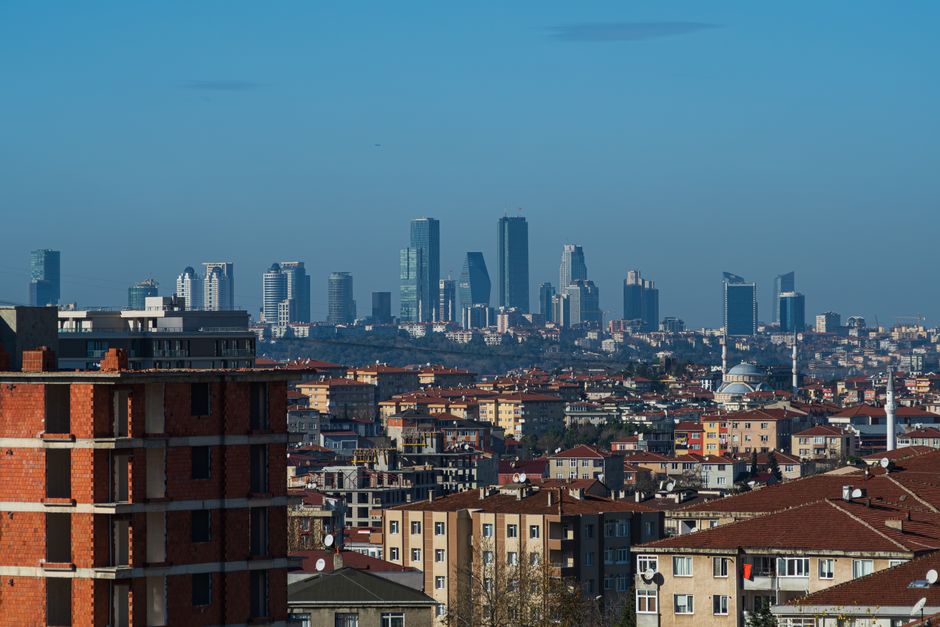
Istanbul's municipal government stands at a critical juncture as it prepares to allocate its 2027 budget and approve three major infrastructure initiatives that will define the city's urban landscape for years to come. With a metropolitan population exceeding 15 million and competing demands from established neighbourhoods and sprawling outer districts, city officials must navigate competing visions for the metropolis's future.
The first decision concerns the proposed M8 metro extension from Söğütlüçeşme to Sancaktepe. The 22-kilometre line would serve one of Istanbul's fastest-growing residential zones, where property values have surged 40 percent over the past three years. However, construction costs are estimated at 8.5 billion Turkish lire, and the municipality's transport budget remains strained. Delaying the project means continued gridlock on the E-5 highway, where daily traffic now exceeds 400,000 vehicles. Proceeding means difficult choices elsewhere.
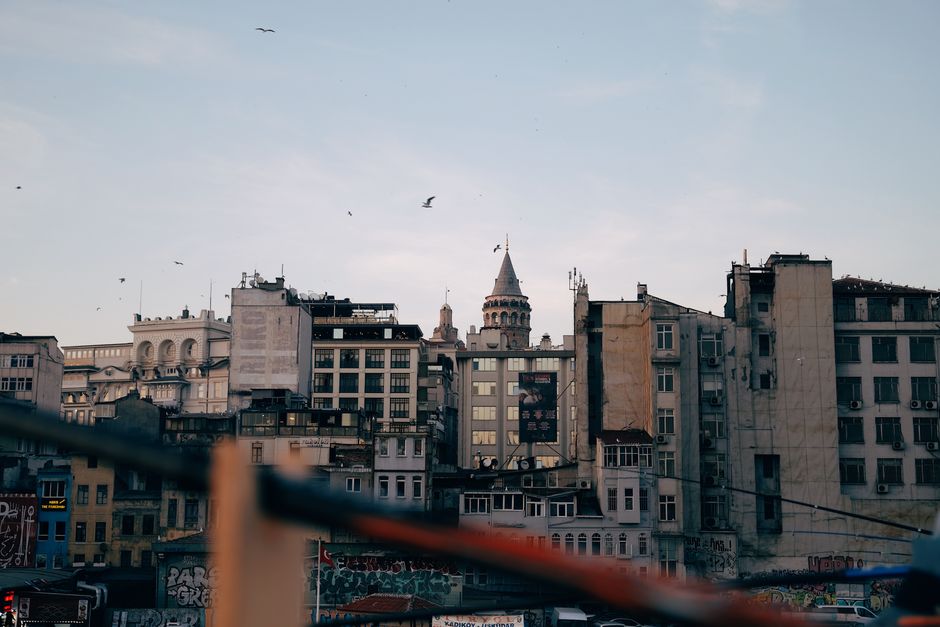
Simultaneously, heritage preservation advocates have intensified pressure to restore the Balat and Fener waterfront districts. These UNESCO-listed neighbourhoods, which have attracted international tourism and boutique investment, face accelerating deterioration. Restoration estimates range from 1.2 to 1.8 billion lire, with supporters arguing the investment will generate tax revenue and protect Istanbul's cultural identity. Critics worry the funds could address more pressing infrastructure needs in underserved areas like Esenyurt and Çatalca.
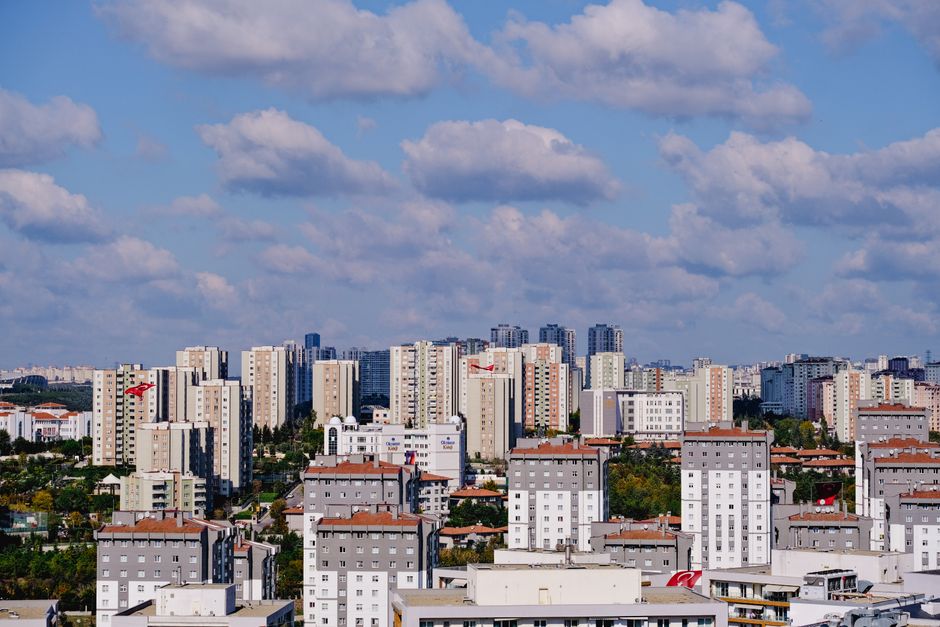
The third challenge involves rationalising suburban development. Unplanned construction in peripheral areas has strained water and waste management systems. The municipality's planning department is finalising new zoning regulations that would either tighten restrictions on new housing developments or streamline approval processes to address the city's critical housing shortage, where average rent for a two-bedroom flat in central districts now exceeds 45,000 lire monthly.
Budget committee meetings scheduled for July and August will prove decisive. Municipal officials acknowledge that capital expenditure ceiling of 3.2 billion lire cannot accommodate all priorities simultaneously. The Metropolitan Municipality has indicated it will prioritise projects generating immediate economic returns or addressing safety concerns, yet environmental groups and heritage organisations continue lobbying for comprehensive approaches rather than incremental fixes.
City planners must also consider federal infrastructure grants and private-sector partnerships as potential funding sources. The stakes are considerable: Istanbul's competitiveness as a global city depends on liveable neighbourhoods, efficient transport, and preserved heritage. The decisions made in coming weeks will reveal which vision ultimately prevails.
This article was compiled by AI from the sources linked above and screened before publishing. See our editorial standards.