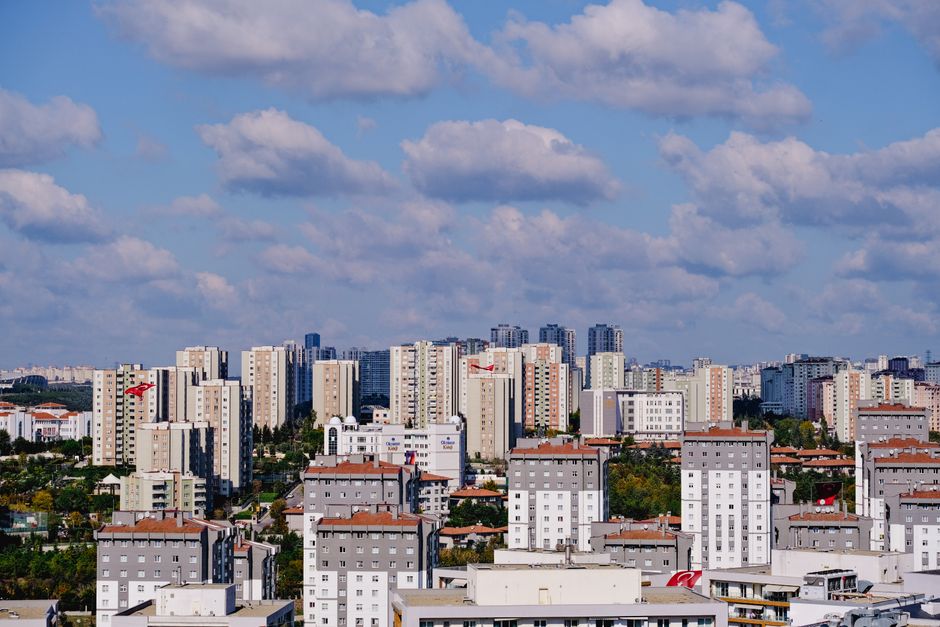
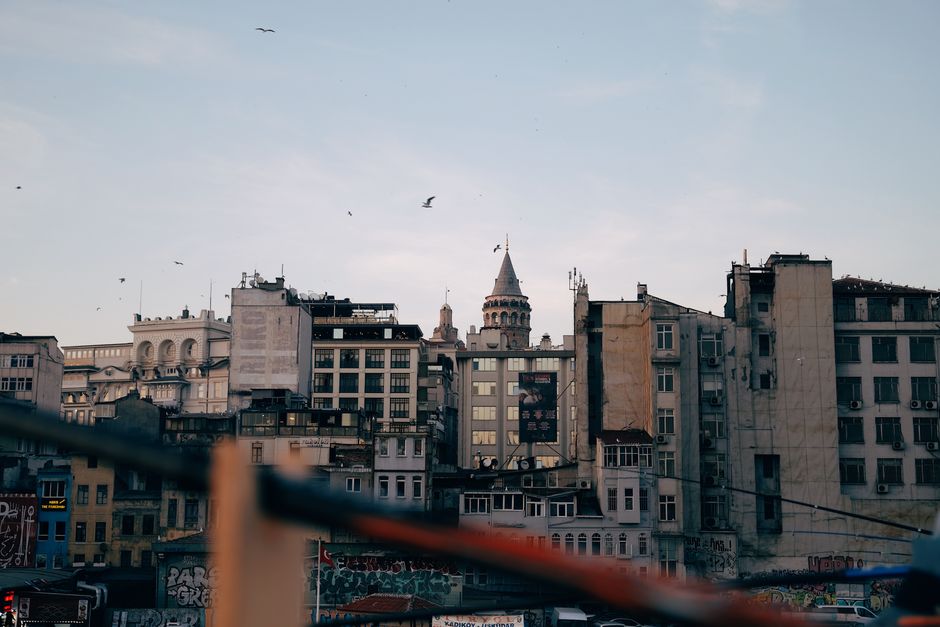
Istanbul's environmental officials convened this month to discuss sweeping sustainability initiatives aimed at addressing persistent challenges that have plagued the city of 16 million residents. The discussion reflected growing momentum behind concrete action, with experts and administrators emphasising measurable targets rather than aspirational rhetoric.
The Metropolitan Municipality's recent sustainability roadmap includes expanding the city's green spaces by 15 percent by 2030, according to statements from department heads. Retrofitting of ageing buildings in central districts like Beyoğlu and Fatih represents a cornerstone strategy, with officials noting that residential heating accounts for roughly 40 percent of Istanbul's winter air pollution. Specialists point to the successful pilot programme in Balat, where 120 buildings underwent thermal insulation upgrades, reducing household energy costs by an average of 2,800 Turkish lire monthly.
The Golden Horn cleanup initiative, overseen by environmental authorities, has also generated cautious optimism. Officials reported that water quality measurements along the historic waterway improved measurably following industrial effluent restrictions introduced last year. Marine biologists working with the city's environmental research institutes documented returning fish populations, though experts stress that comprehensive remediation remains years away.
Public transport electrification emerged as a priority during recent stakeholder meetings. Transit officials outlined plans to deploy 500 additional electric buses across the metropolitan network by 2028, targeting reduction of transport-sector emissions by 25 percent. The current fleet of 6,500 buses, primarily diesel-powered, contributes significantly to the city's notorious traffic-related air pollution.
Waste management specialists acknowledged ongoing challenges, with Istanbul generating approximately 30,000 tonnes of municipal waste daily. Officials discussed expanding recycling infrastructure in underserved neighbourhoods like Pendik and Ümraniye, where current collection systems remain inadequate. Environmental consultants noted that separate waste collection rates hover around 12 percent citywide—substantially below European counterparts.
Climate researchers affiliated with Istanbul's universities cautioned that while municipal initiatives represent progress, broader systemic changes remain necessary. They emphasised that summer temperatures have risen 2.3 degrees Celsius over two decades, accelerating demand for cooling systems that further strain the electrical grid during peak months.
Officials underscored that achieving these targets requires sustained investment and public participation. The municipality allocated 4.2 billion Turkish lire to environmental projects in the current budget cycle, though experts suggest this may require supplementation from national funding sources to meet 2030 deadlines.
This article was compiled by AI from the sources linked above and screened before publishing. See our editorial standards.