Istanbul's Migration Surge by the Numbers: What 6.3 Million Residents Tell Us
New data reveals how Turkey's largest city has become a global crossroads—and what the statistics say about integration, housing, and economic strain.
New data reveals how Turkey's largest city has become a global crossroads—and what the statistics say about integration, housing, and economic strain.
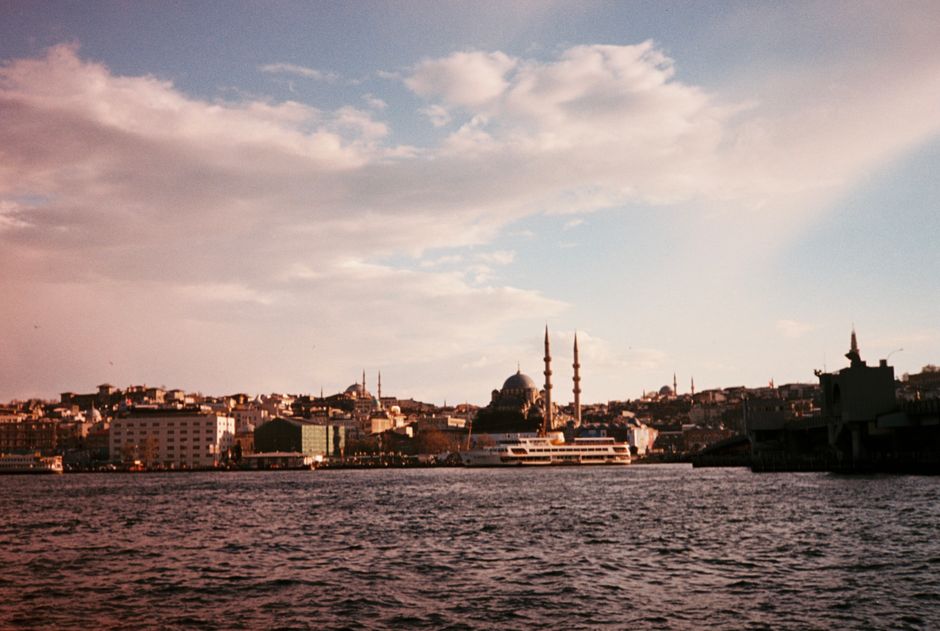
Istanbul's population has swollen to 6.3 million according to the latest municipal census, with foreign-born residents now accounting for approximately 8.2 percent of the total—a dramatic shift from just 3.1 percent a decade ago. Behind these headline figures lies a complex story of demographic transformation that the city's planners, businesses, and social services are scrambling to manage.
The data tells a striking picture. According to the Istanbul Metropolitan Municipality's 2026 migration report, Syrian nationals comprise the largest migrant community at roughly 412,000 individuals, followed by Afghan refugees numbering around 187,000. Ukrainian displaced persons have grown to 94,000 since 2022, while Pakistani, Iraqi, and Iranian communities each number between 45,000 and 78,000. Yet these official figures likely undercount undocumented residents by an estimated 15 to 25 percent, researchers at Boğaziçi University suggest.
The economic footprint is measurable. In neighbourhoods like Fatih and Aksaray, where migrant concentrations reach 22 percent and 18 percent respectively, rental prices have climbed 34 percent over five years—roughly double the citywide average of 17 percent. A one-bedroom apartment in these areas now averages 18,500 Turkish lira monthly, compared to 12,200 lira in established Turkish neighbourhoods like Beşiktaş.
Employment data reveals incomplete integration. While Istanbul's overall unemployment rate sits at 11.3 percent, foreign-born residents experience joblessness at 19.7 percent. However, migrant-owned businesses have grown by 4,200 registered enterprises since 2020, concentrated in retail, food service, and logistics sectors around Küçükpazar and along the E-5 highway corridor.
The strain on services is quantifiable. Istanbul's public health directorate reports that migrant populations utilize government clinics at rates 3.4 times higher than their demographic representation would suggest, while school enrolment of migrant children has jumped from 87,000 in 2016 to 342,000 today—overwhelming capacity in districts like Gaziosmanpaşa and Pendik.
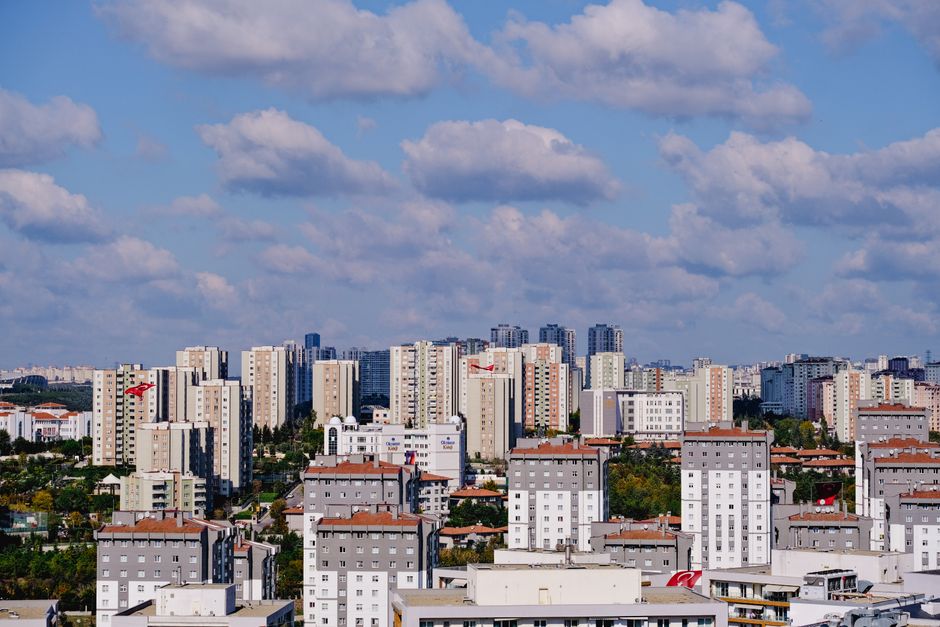
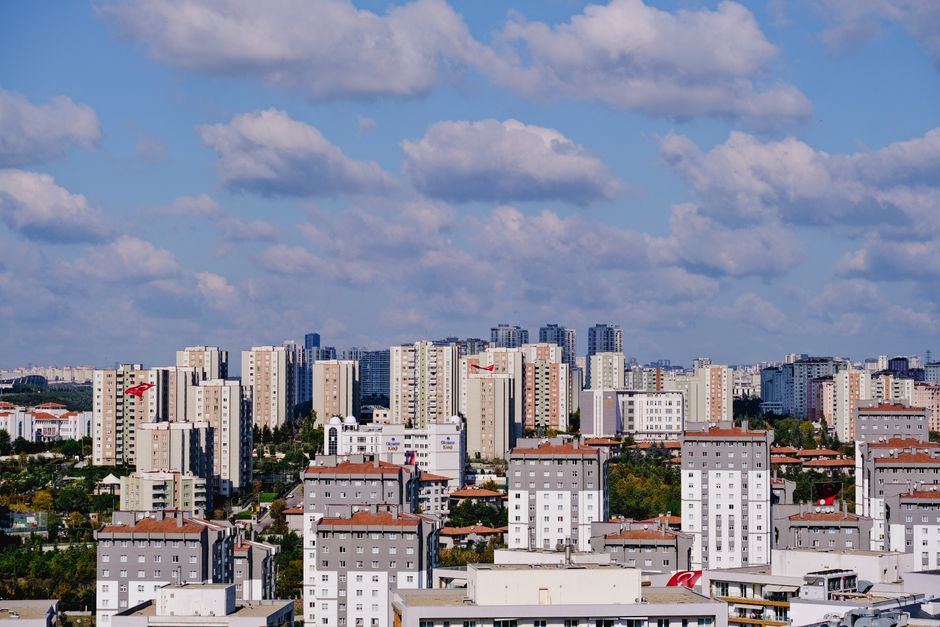
Housing NGOs document that approximately 8,400 families live in informal settlements across greater Istanbul, primarily in Başakşehir and Çekmeköy. The city's social housing programme has completed just 1,240 units since 2021, creating a gap that drives both overcrowding and exploitation.
Yet the numbers also reveal opportunity. Migrant households spend an estimated 94 billion lira annually on goods and services—representing 7.1 percent of the city's consumer economy. Remittances sent abroad total approximately 8.2 billion lira yearly, supporting families across the region while channelling wealth away from local circulation.
As Istanbul navigates these realities, the statistics underscore neither utopian integration nor catastrophic strain—but rather a messy, human-scaled transformation requiring continued investment in data, planning, and policy adaptation.
This article was compiled by AI from the sources linked above and screened before publishing. See our editorial standards.
How does this story make you feel?
Spread the word
About this article
Published by The Daily Istanbul
Daily brief
Free, in your inbox before 7am. Weekdays.
More in News