Istanbul's migrant communities are bracing for significant disruption as revised EU asylum frameworks take effect across the bloc in July, potentially redirecting thousands of transit migrants away from traditional European entry points and back toward Turkish cities already straining under demographic pressure.
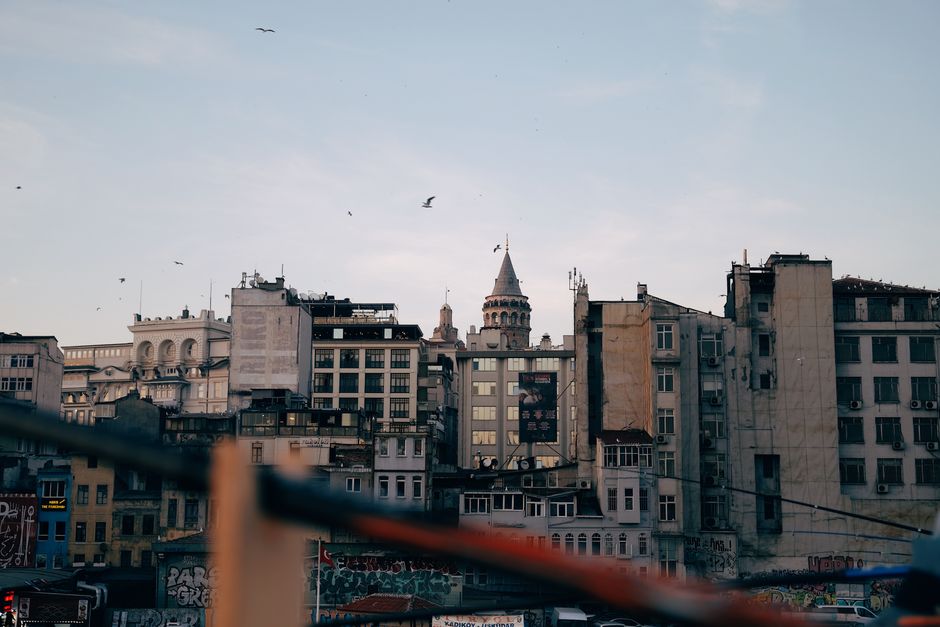
The shift arrives at a delicate moment for organisations operating across neighbourhoods like Fatih, Beyoğlu, and Aksaray, where an estimated 800,000 to 1.2 million irregular migrants currently reside alongside 4.5 million registered Syrian refugees. Community workers at the Migrant Mothers Association's centre near Aksaray Station report increasing uncertainty among clients about onward movement, with fewer reliable smuggling routes advertised on encrypted platforms that once promised European passages.
"The question now is whether Turkey doubles down on containment or invests in integration," explains one Istanbul-based migration researcher, requesting anonymity due to sensitivity surrounding government policy discussions. Local NGOs must decide whether to expand vocational training programmes—currently limited by €2.3 million in annual EU funding—or maintain lean operations focused on emergency assistance.
Housing represents the most immediate pressure point. Rental prices in Fatih have surged 34% since 2023, pushing migrants into increasingly precarious informal settlements on Istanbul's periphery. The Beyoğlu Municipality's recent pilot programme offering subsidised accommodation in converted commercial spaces on İstiklal Caddesi expires in August. Renewal requires securing an additional 15 million Turkish lira from provincial authorities already stretched thin by infrastructure demands.
Key decisions loom before September. The Turkish government must clarify whether it will enforce stricter residency verification in migrant-dense quarters—a move that could criminalise thousands of undocumented residents but relieve pressure on services. Major employers in manufacturing and hospitality around the port of Galataport must decide whether to formalise migrant workforces or retreat further into cash-only arrangements that leave workers vulnerable to exploitation.
International organisations operating from offices around Taksim Square face their own reckoning. UNHCR and IOM funding allocations for Turkey depend partly on successful integration metrics that remain elusive. Without demonstrable progress—higher school enrolment rates, documented employment, housing stability—donor countries may redirect resources away from Istanbul toward Jordan or Lebanon, where refugee populations face even sharper desperation.
Community leaders insist the next six months will define whether Istanbul becomes a model for managed migration or descends into chronic instability. The choices made now—in municipal offices, NGO boardrooms, and quiet conversations across Fatih's dense quarters—will determine whether migrants find pathways forward or remain indefinitely suspended in precarity.
This article was compiled by AI from the sources linked above and screened before publishing. See our editorial standards.