Why Istanbul’s Chaos is the City’s Secret Commuter Superpower
While the rest of the world debates the efficiency of light rail, Istanbul residents are mastering a high-stakes, multi-modal ballet that bridges two continents before breakfast.
While the rest of the world debates the efficiency of light rail, Istanbul residents are mastering a high-stakes, multi-modal ballet that bridges two continents before breakfast.
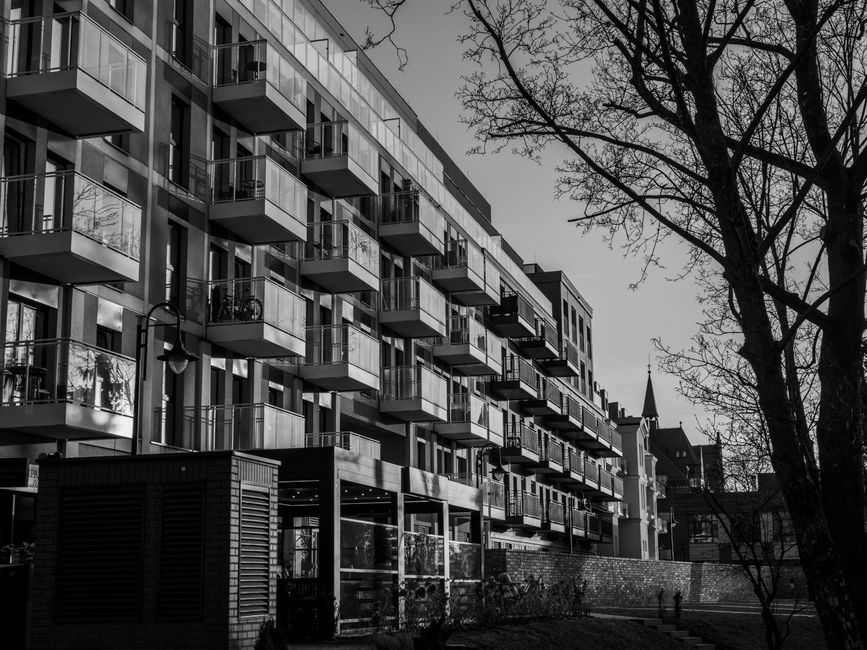
Commuters in Istanbul don’t just travel; they navigate a tactical puzzle that forces a choice between a 15-minute ferry ride across the Bosphorus or a 90-minute crawl through the Eurasia Tunnel. Today, as global cities like Washington and Philadelphia face massive cancellations due to record-breaking heat waves, Istanbul’s transit network is operating with its usual, frenetic rhythm. By 8:30 a.m. this Thursday, the integration of public ferries, Metro lines, and the iconic yellow taxis proved once again that Istanbul is the only metropolis where geography dictates your social standing.
This transit resilience is critical in 2026, as the city’s population continues to swell beyond 16 million residents. The uniqueness of the Istanbul commute lies in its forced intermodal nature. Unlike a Londoner tethered to the Underground or a New Yorker reliant on the MTA, the average resident here switches between three distinct transport technologies—sea, rail, and road—before they reach their desk in Levent or Maslak. It is a city that functions not through singular infrastructure, but through a constant, fluid shift between systems.
Take the Kadıköy-Eminönü ferry route, operated by Şehir Hatları. For a fare of 25.00 TL, a commuter can bypass the gridlock on the July 15 Martyrs Bridge and arrive in the heart of the historic peninsula. Once off the boat, the T1 tram line waits to whisk passengers toward Karaköy, though it remains notoriously overcrowded. This contrast—between the serenity of the water and the sheer physical density of the tram stations—is the defining texture of the Istanbul experience. It is a lifestyle defined by proximity to the water, a luxury few other landlocked financial hubs can claim.
Data from the Istanbul Metropolitan Municipality (İBB) indicates that more than 40 percent of daily commutes now rely on multi-modal transfers. The expansion of the M11 Gayrettepe-Istanbul Airport metro line has shaved nearly 20 minutes off the travel time for international travelers, yet the local experience remains tethered to the Istanbulkart. The ease of this single payment chip across ferries, buses, and the Marmaray tunnel is a rarity in global transit, simplifying a system that, by all rights, should be impossible to manage.
The real secret to mastering Istanbul transit is abandoning the clock and embracing the flow. While office workers in other capitals might obsess over arrival times, an Istanbulite understands that the Bosphorus currents and the inevitable construction on Bağdat Caddesi will dictate the pace. Flexibility is the highest form of currency here. When the dolmuş—those shared yellow minibuses—is stuck near Beşiktaş, you pivot to a motorcycle taxi or walk the steep incline to the nearest metro station.
For those looking to survive the next quarter, keep your Istanbulkart topped up through the mobile app, as kiosk lines remain a notorious bottleneck during rush hour. If you find yourself stranded near the ferry terminals, do not wait for the road traffic to clear. Follow the pedestrians; in Istanbul, the shortest distance between two points is rarely a straight line on a map, but rather the path currently being taken by the local crowd. If the heat continues to climb through mid-July, stick to the maritime routes. The breeze on the upper deck of a Şehir Hatları vessel is the only reliable air conditioning this city offers during a commute.
How does this story make you feel?
Spread the word
About this article
Published by The Daily Istanbul
Daily brief
Free, in your inbox before 7am. Weekdays.
More in lifestyle