Istanbul upgrades stadiums for global sporting events
Major venues like Vodafone Park and Atatürk Olympic Stadium undergo infrastructure overhauls to meet international standards.
Major venues like Vodafone Park and Atatürk Olympic Stadium undergo infrastructure overhauls to meet international standards.
Istanbul's sporting infrastructure tells the story of a metropolis caught between legacy and ambition. With nearly 16 million residents spread across Europe and Asia, the city has long punched below its weight in hosting major international competitions—a gap that recent investment is beginning to close.
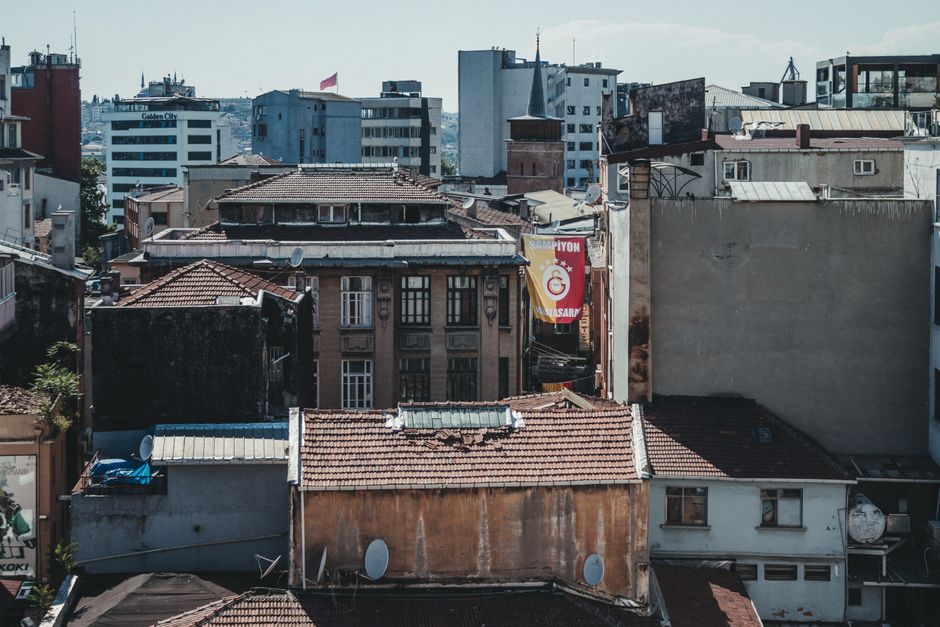
Vodafone Park, nestled in Beşiktaş on the European side, remains the jewel in Istanbul's sporting crown. Opened in 2016 with a capacity of 41,903, the stadium has become a blueprint for modern Turkish venue management. Its location—surrounded by the dense residential and commercial fabric of one of Istanbul's most vibrant neighbourhoods—demonstrates how contemporary stadiums must integrate seamlessly with urban centres. The facility generates approximately €180 million annually for Beşiktaş JK through matchday operations, sponsorships, and events, according to local economic analysts.
Yet Vodafone Park represents only part of the picture. The redeveloped Atatürk Olympic Stadium in Ikitelli, on the city's western periphery, has undergone extensive renovation following its 2005 UEFA Champions League final glory. Originally built for the 2004 Olympics bid, the 74,698-capacity venue now hosts national team matches and major events, though its location—roughly 25 kilometres from central Istanbul—presents ongoing accessibility challenges that transport planners continue addressing.
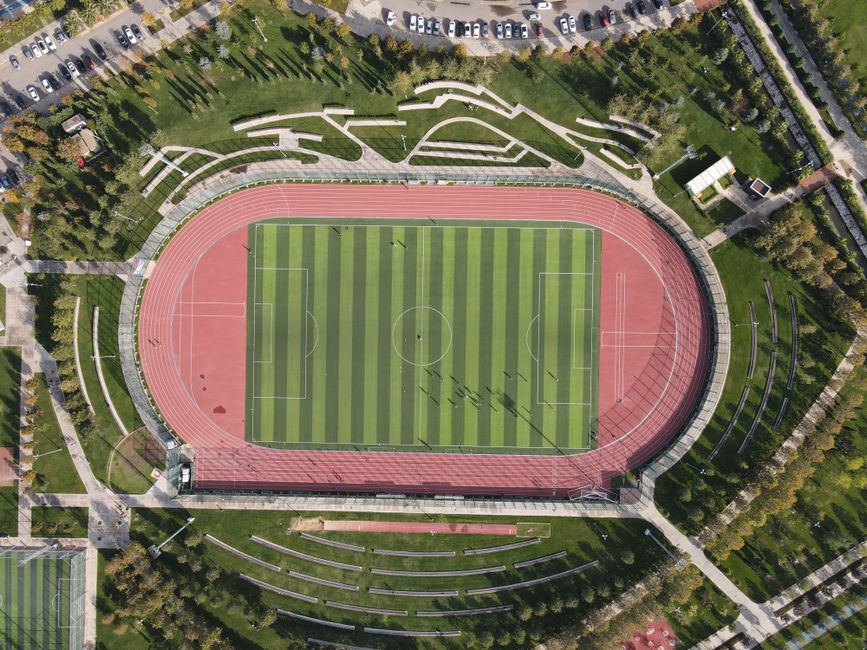
What often escapes wider attention is the supporting infrastructure surrounding these flagship venues. The Halide Edip Adıvar Sports Complex in the Zeytinburnu district, for instance, offers Olympic-standard training facilities that local clubs and national federations depend upon. Investment in secondary venues has been sporadic, however. Smaller stadiums across Anatolian neighbourhoods—from Esenler to Pendik—require modernisation that municipal budgets have struggled to accommodate.
The real bottleneck isn't necessarily the venues themselves, but what surrounds them. Istanbul lacks the integrated transportation networks that characterise European sporting cities. Getting 40,000 fans to Vodafone Park through Beşiktaş's labyrinthine streets remains logistically complex, while parking remains catastrophically limited. Officials have discussed light rail extensions and dedicated matchday bus services for years, yet implementation lags ambition.
As Istanbul contemplates future bids for international competitions—whether football tournaments, athletics championships, or other marquee events—the conversation increasingly focuses on holistic infrastructure rather than stadium walls alone. Venues matter, certainly. But a world-class sporting city requires world-class connectivity, accommodation, and planning that extends far beyond matchday excitement into the everyday reality of urban transport and urban living.
This article was compiled by AI from the sources linked above and screened before publishing. See our editorial standards.
How does this story make you feel?
Spread the word
About this article
Published by The Daily Istanbul
Daily brief
Free, in your inbox before 7am. Weekdays.
More in Sport