Istanbul's Amateur Sports Leagues Draw Record Participation
New data from Beyoğlu and Kadıköy shows how recreational sports are reshaping fitness culture across Turkey's largest city.
New data from Beyoğlu and Kadıköy shows how recreational sports are reshaping fitness culture across Turkey's largest city.
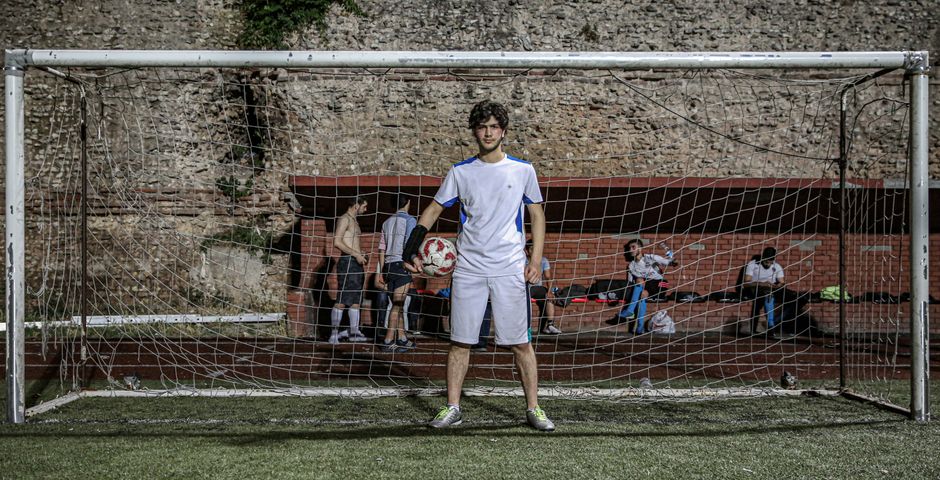
The handball courts at the Beşiktaş Sports Hall on the European shore are packed most evenings, but it's what the numbers tell us—not just the squeaking sneakers—that matters. Istanbul's recreational amateur leagues have witnessed a remarkable surge in participation over the past three years, with membership in casual football, volleyball, and basketball circuits up by nearly 43 percent since 2023, according to data compiled by the Istanbul Metropolitan Municipality's Sports Directorate.
What's most striking isn't simply the growth, but who's driving it. Women now comprise 31 percent of participants in mixed amateur leagues across the city, a figure that stood at just 18 percent five years ago. The Kadıköy Women's Football League, which operates out of grounds near the Fenerbahçe Şükrü Saraçoğlu Stadium, has expanded from four clubs to twelve in just eighteen months, with waiting lists for several teams regularly exceeding twenty players.
"The shift reflects broader changes in how Istanbul sees recreational sport," explains Fatih Yılmaz, director of the Şişli Amateur Sports Association, one of the city's oldest grassroots networks. The neighbourhood leagues—particularly in more accessible areas like Cihangir, Nişantaşı, and across the Golden Horn's Eyüp district—have become less about elite athleticism and more about community building and accessible fitness.
Monthly participation fees have remained relatively stable, averaging between 180 and 320 Turkish lira for weekly league participation, making recreational sport accessible to middle-income Istanbulites. The real growth, however, appears concentrated in volleyball and futsal, sports that require less infrastructure and can be accommodated in converted warehouses and community centres across the sprawling city.
Age demographics also surprise. While participation among 25-35 year-olds remains strongest, the 40-55 age bracket has grown fastest proportionally—up 67 percent in the same period. This suggests Istanbul's fitness culture is maturing beyond the typical young-professional stereotype, with middle-aged residents increasingly viewing recreational leagues as part of regular wellness routines rather than occasional pastimes.
The data carries implications for city planning too. With 47,000 registered participants across verified amateur leagues—up from 33,000 in 2023—demand for accessible courts and pitches in residential neighbourhoods is outpacing supply. The pressure is felt acutely in rapidly gentrifying areas like Balat and Fener, where traditional sports grounds face development pressure.
Istanbul's recreational sport boom isn't flashy. There are no championship celebrations that make international news. But the participation numbers quietly reveal a city where ordinary residents are choosing organised, communal physical activity with increasing commitment—and where traditional barriers to participation are finally beginning to crumble.
This article was compiled by AI from the sources linked above and screened before publishing. See our editorial standards.
How does this story make you feel?
Spread the word
About this article
Published by The Daily Istanbul
Daily brief
Free, in your inbox before 7am. Weekdays.
More in Sport