Wall Street closed out the final session of the second quarter in measured fashion overnight, with equity benchmarks moving in a narrow range as investors weighed the durability of this year's rally against a backdrop of stubborn policy uncertainty from the Federal Reserve. The session carried the hallmarks of quarter-end positioning rather than any decisive directional conviction, with large-cap technology stocks broadly holding firm while rate-sensitive sectors drifted quietly lower.
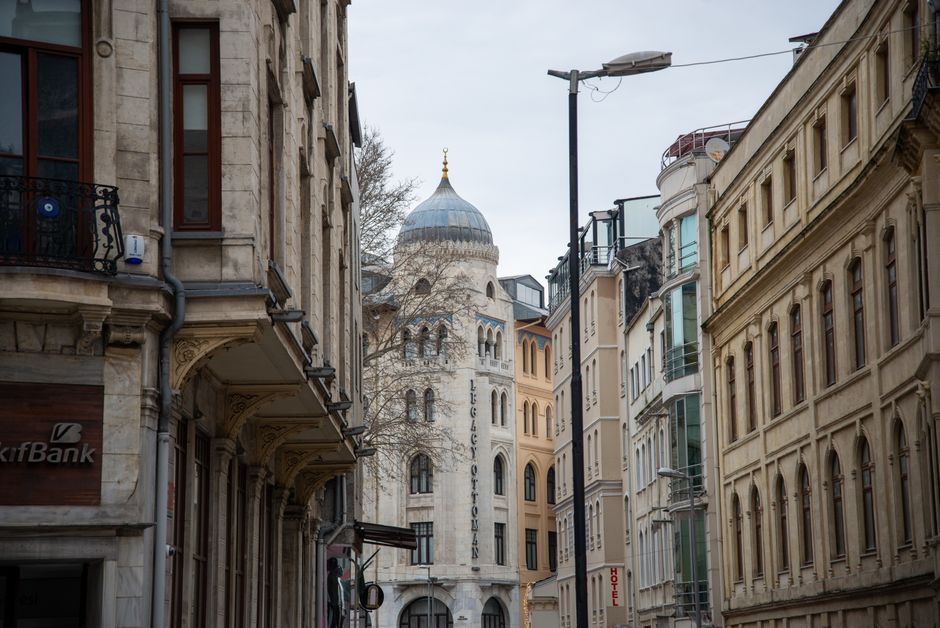
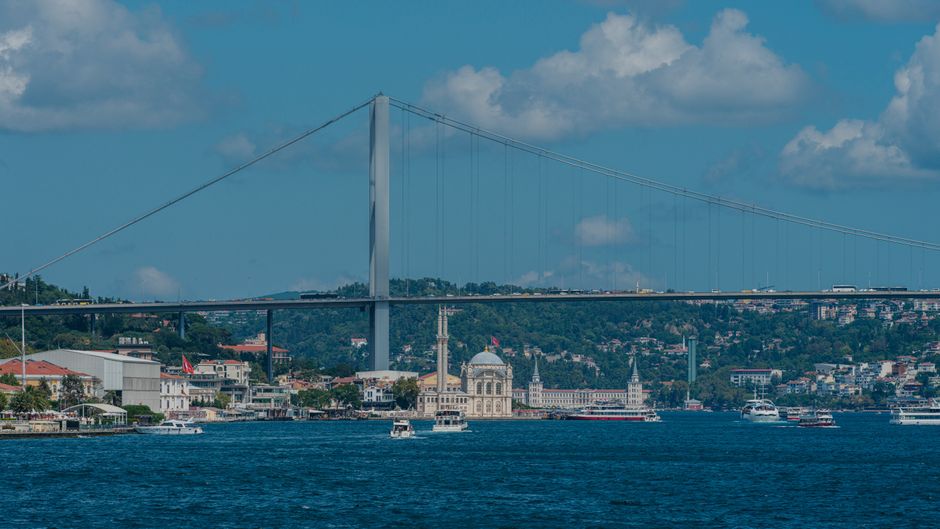
For Istanbul traders opening their screens on Monday morning, the read-through is nuanced. Borsa Istanbul has spent much of 2026 caught between two powerful forces: domestic monetary policy that remains anchored to containing inflation, and the gravitational pull of global risk sentiment that dictates how aggressively foreign portfolio managers are willing to hold lira-denominated assets. A Wall Street that neither surges nor stumbles is, in its own way, a relatively constructive environment for that balancing act.
Sector signals worth watching
The overnight session offered a few threads worth pulling. Technology and semiconductor-linked names edged higher on the back of continued enthusiasm around artificial intelligence infrastructure spending, a theme amplified this week by South Korea's announcement of a sweeping chip and AI investment programme worth hundreds of billions of dollars. That development reinforces the broader narrative that sovereign and corporate capital is flowing aggressively into the technology supply chain, a dynamic that has benefited emerging market exporters and, indirectly, the risk premium assigned to markets like Turkey that sit adjacent to global capital flows.
Energy names were softer, tracking crude prices that slipped without conviction. For Istanbul, this carries a particular relevance. Turkey remains a significant net energy importer, and any sustained softness in oil prices offers a measure of relief to the current account, which has been one of the persistent structural vulnerabilities weighing on the lira. Traders in banking and industrial names on Borsa Istanbul will be watching energy markets closely through the week.
The broader picture on the dollar was one of modest consolidation. The greenback held firm against most major currencies without extending recent gains, which leaves the lira facing a relatively stable external environment for now. That stability, however fragile, gives the central bank some breathing room as it manages the tension between supporting growth and preventing another episode of currency-driven inflation acceleration.
Quarter-end flows in global bond markets were orderly, suggesting institutional rebalancing did not produce the kind of sharp yield movements that can ripple through emerging market debt. Turkish government bond yields and credit spreads will be monitored carefully in early trade, particularly given that offshore investor positioning in local debt has remained cautious through the second quarter.
With British American Tobacco announcing deep job cuts and Ford reversing an AI-driven engineering experiment, there is also a broader macro undercurrent: corporate cost discipline is intensifying in developed markets, a signal that earnings expectations for the second half of the year may face revision. Istanbul investors with exposure to export-oriented industrials should treat that as a flag, not yet an alarm.
This article was compiled by AI from the sources linked above and screened before publishing. See our editorial standards.