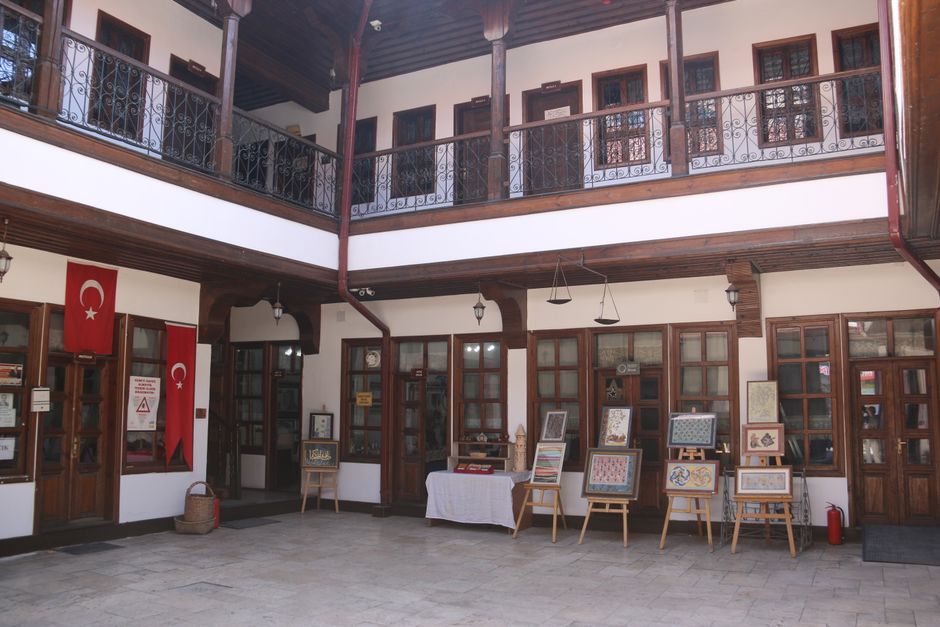
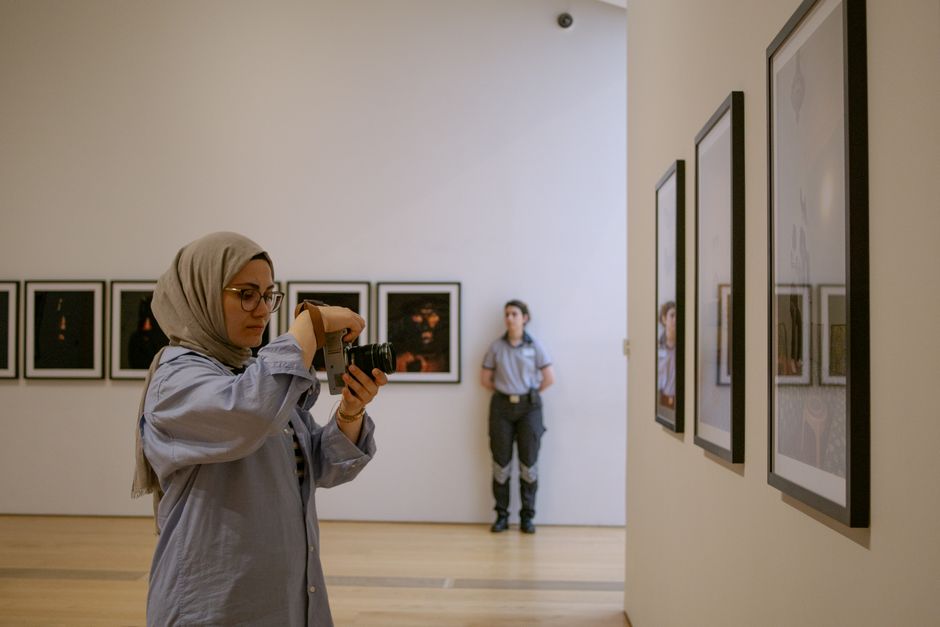
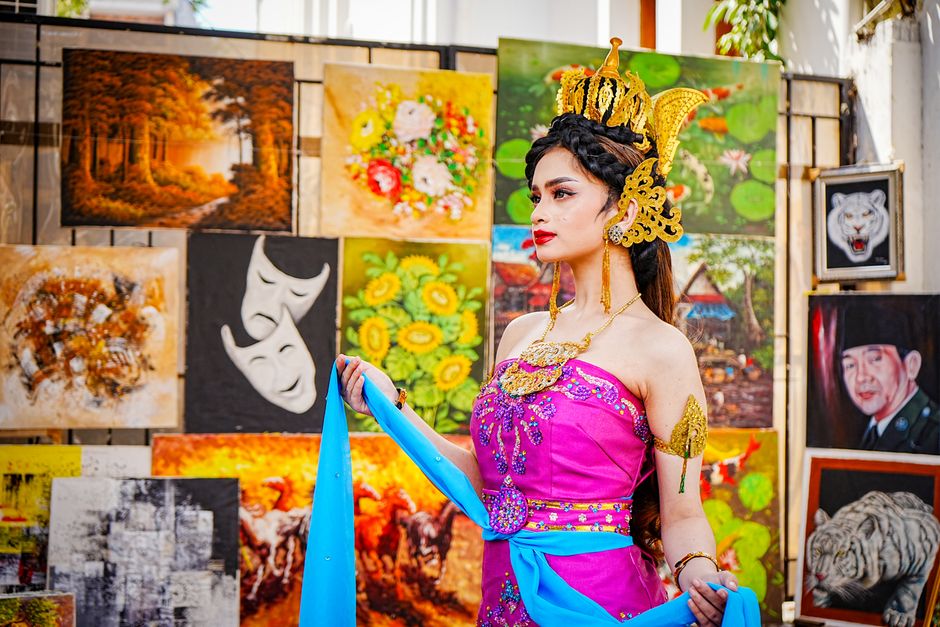
The rusted iron gates of the 19th-century Tütün Deposu in Tophane swung open this morning, signaling the start of a month-long exhibition that links the city's Genoese merchant history to its current digital art boom. For decades, these industrial relics served as forgotten warehouses, but today they are the primary studios for a new generation of Istanbul-based designers, painters, and coders who are reclaiming the city’s architectural past to build its future.
This shift isn't just about aesthetics; it is a fundamental pivot in how the city defines itself. As global hubs like London and New York grapple with rising commercial rents, Istanbul’s creative class has moved into the crumbling Ottoman-era townhouses of Karaköy and the maze-like alleyways of Balat. By repurposing sites like the İMÇ (Istanbul Textiles Trade Center) blocks, artists are choosing to anchor their work in the physical reality of the city's layered history rather than chasing the sterile, glass-fronted offices of Maslak.
The Reclaiming of Karaköy and Balat
The transformation is most visible in the narrow streets surrounding Perşembe Pazarı. Here, the 'Heritage for Tomorrow' project—an initiative launched by the Istanbul Foundation for Culture and Arts (İKSV)—has helped broker short-term leases for local artists in buildings dating back to the late 1800s. These venues, once home to ironmongers and marine supply shops, now house communal gallery spaces like the Salt Galata research center and the independent exhibition hall at Operation Room. Residents are finding that by preserving the rough, exposed brick and Ottoman-era masonry, they are creating a visual vocabulary that is uniquely Istanbul, distinct from the glossy high-rises springing up on the city's periphery.
Economics of Preservation
Data suggests this cultural shift is more than just a passing trend. According to a recent report by the Istanbul Chamber of Commerce, the creative economy contributed 6.4% to the city's gross domestic product in 2025, up from 4.2% in 2020. Average monthly studio rents in these rehabilitated heritage zones now hover around 45,000 Turkish Lira, nearly triple the cost of comparable space in the city's industrial outskirts. Despite the price, developers are noticing a 20% increase in foot traffic for areas where heritage preservation remains a core tenant of the redevelopment plan, proving that the old stones of the Golden Horn hold more market value than new concrete.
The next phase of this movement will focus on the Fener and Balat districts, where the Metropolitan Municipality has earmarked 1.2 billion Lira for the seismic retrofitting and restoration of 45 historic residential properties. For those looking to enter the scene, the advice is clear: look toward the backstreets where the preservation signs are posted. As the city continues to shed its image as a mere transit point between East and West, those who document and live within these historic walls are the ones currently dictating the cultural direction of the Turkish Republic.