The New Kitchen Guard: Emerging Talent Voices and the Next Wave to Watch
Istanbul’s culinary identity is shedding its traditional skin as a generation of chefs trained abroad returns home to redefine the Bosphorus plate.
Istanbul’s culinary identity is shedding its traditional skin as a generation of chefs trained abroad returns home to redefine the Bosphorus plate.
Istanbul’s restaurant scene has moved beyond the tired binary of tourist-facing meze houses and high-end hotel fine dining. A cohort of young, domestically-trained chefs is currently overhauling the city’s appetite, focusing on micro-seasonal Anatolian fermentation and aggressive regional sourcing. This shift follows a decade where ambitious cooks fled to Copenhagen or Paris, but today, they are anchoring their businesses in districts like Bomonti and Moda.
The transformation is most visible at Kovan in Bomonti, where the head chef recently introduced a tasting menu that replaces standard olive oil imports with cold-pressed oils from specific groves in Ayvalık. It is a calculated rejection of the standardized Turkish cuisine that dominated the 2010s. Down in Kadıköy, the small-plate bar Mıknatıs has garnered a waitlist of three weeks by stripping back the menu to just six rotating dishes, all prepared over an open charcoal hearth using wood sourced from the Marmara region.
Economic realities have forced this pivot. With inflation hovering near 65 percent and the cost of imported proteins like New Zealand lamb or European cheeses becoming prohibitive, chefs have been forced to innovate or fold. The "next wave" is characterized by a militant commitment to the hyper-local. We are seeing ingredients once relegated to home kitchens—like bitter wild greens from the Black Sea coast or specific varieties of sun-dried eggplant—elevated to center-plate status at prices that actually remain accessible to the local middle class.
Data from the Istanbul Chamber of Commerce indicates that while restaurant receipts in the Beyoğlu district have seen a 22 percent increase in transaction volume since January 2026, the profit margins for independent operators remain razor-thin. At venues like Kovan, a five-course dinner now runs approximately 1,800 TL per person, excluding drinks. This price point is intentional, designed to keep these spaces frequented by local residents rather than transient groups. It is a marked departure from the 4,500 TL average seen in the luxury venues of Karaköy.
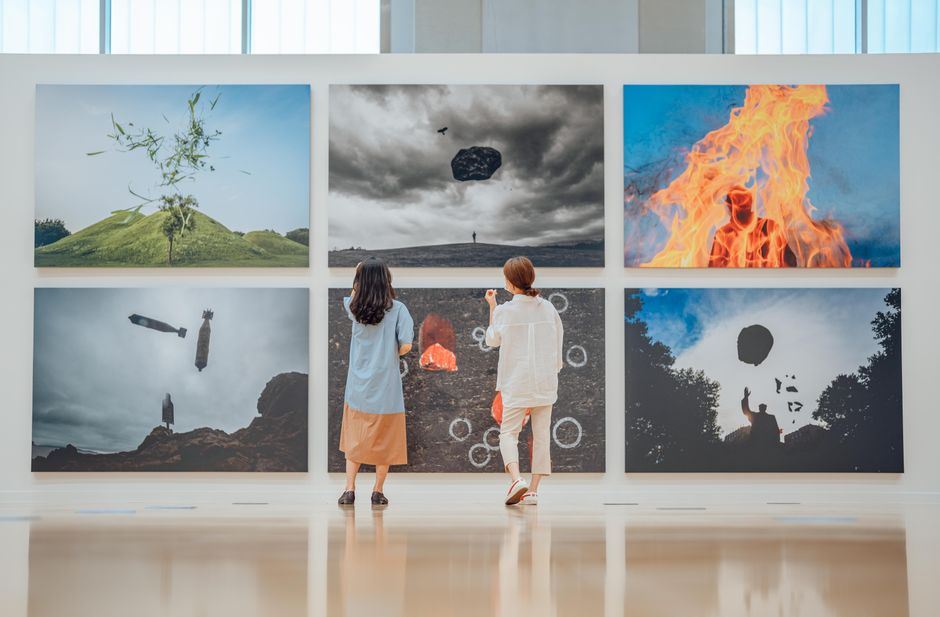
For those looking to taste this movement, keep an eye on the pop-up residencies at the Arter gallery space in Dolapdere. Several members of this group, including alumni from the Culinary Arts Academy of Istanbul (MSA), use these monthly guest spots to test experimental fermentation techniques before committing to permanent leases. If you plan to visit, follow their individual Instagram feeds; these chefs are bypassing traditional PR firms entirely, announcing table openings via fleeting digital stories that disappear within twenty-four hours. Expect to see these names—and their distinct, minimalist menus—anchoring the city’s dining map by the end of the year.
How does this story make you feel?
Spread the word
About this article
Published by The Daily Istanbul
Daily brief
Free, in your inbox before 7am. Weekdays.
More in culture