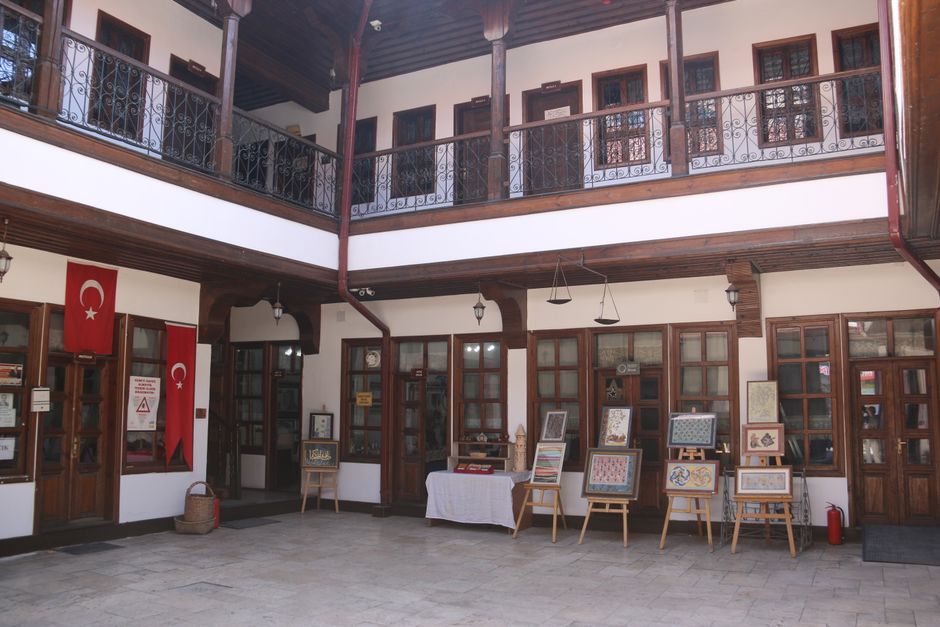
A demolition crew began tearing down the interior of an 1890s-era apartment block on Mumhane Caddesi at 6:00 a.m. this morning, marking the latest flashpoint in the gentrification of Karaköy. While the stone facades are being preserved under the municipal 'Historic Texture Protection' mandate, the historic interior floorboards and hand-carved ceilings are being hauled to the trash, replaced by reinforced steel and glass interiors. This practice has triggered protests from the Chamber of Architects (Mimarlar Odası), who claim the city’s identity is being hollowed out to accommodate luxury travelers.
The Cost of Modernity
The tension here stems from a shift in urban planning that prioritizes high-yield tourism over residential history. Following the 2025 expansion of the Galataport footprint, land values in the nearby Kemankeş Karamustafa Paşa neighbourhood have climbed by roughly 45% in the last twelve months. Long-time business owners, such as the hardware shops that have occupied the ground floors of these buildings since the mid-20th century, are being priced out of their leases as developers look to convert these spaces into cocktail bars or upscale galleries.
Data released by the Istanbul City Planning Department indicates that since January 2026, 42 renovation permits have been issued within the Beyoğlu district alone. Of those, 38 are slated for commercial or short-term hospitality use. The average nightly room rate in the newly refurbished Karaköy buildings now hovers around 9,500 Turkish Lira, effectively walling off these historic zones from the average Istanbullu who once frequented these streets for trade and local craft.
Preservation vs. Profit
Concerns are not just about aesthetics; they are about the loss of the city's living memory. Neighbourhood groups like the 'Karaköy Preservation Initiative' argue that once the original timber structures are removed, the buildings lose their status as heritage sites, becoming little more than museum-like shells. During a town hall meeting held at the Salt Galata library last week, residents questioned whether the municipal council has the teeth to enforce authentic restoration, or if they are simply greenlighting luxury 'facadism' to boost tax revenue.
For those looking to see the district as it was before this wave of development, the narrow lanes behind Kılıç Ali Paşa Mosque still offer a glimpse of the old city. However, with three more buildings on the block slated for 'structural upgrades' by the end of September, time is running out. Residents are advised to visit the area’s remaining traditional tea houses while they still stand, as construction permits for these sites are expected to be reviewed by the municipal planning board in the coming weeks.