Istanbul’s Creative Pulse: A complete guide to the best local experiences right now
From the loom-strewn ateliers of Balat to the digital galleries of Beyoğlu, the city's independent design scene is hitting a mid-summer stride.
From the loom-strewn ateliers of Balat to the digital galleries of Beyoğlu, the city's independent design scene is hitting a mid-summer stride.
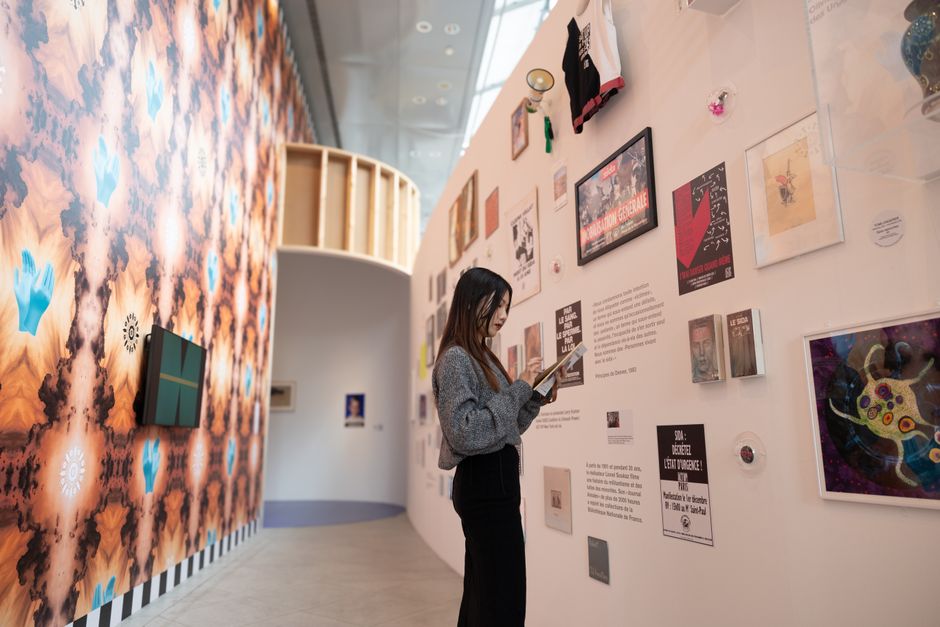
Istanbul’s creative economy is pivoting away from mass-market production, shifting instead toward hyper-local craftsmanship and experimental digital installation. As of July 2026, the intersection of traditional Ottoman weaving techniques and generative AI design has become the defining aesthetic of the city’s high-end boutiques. With the Karaköy waterfront undergoing its latest phase of cultural revitalization, independent designers are reclaiming neglected spaces to showcase work that resists the homogenization seen in global fashion hubs like Milan or Paris.
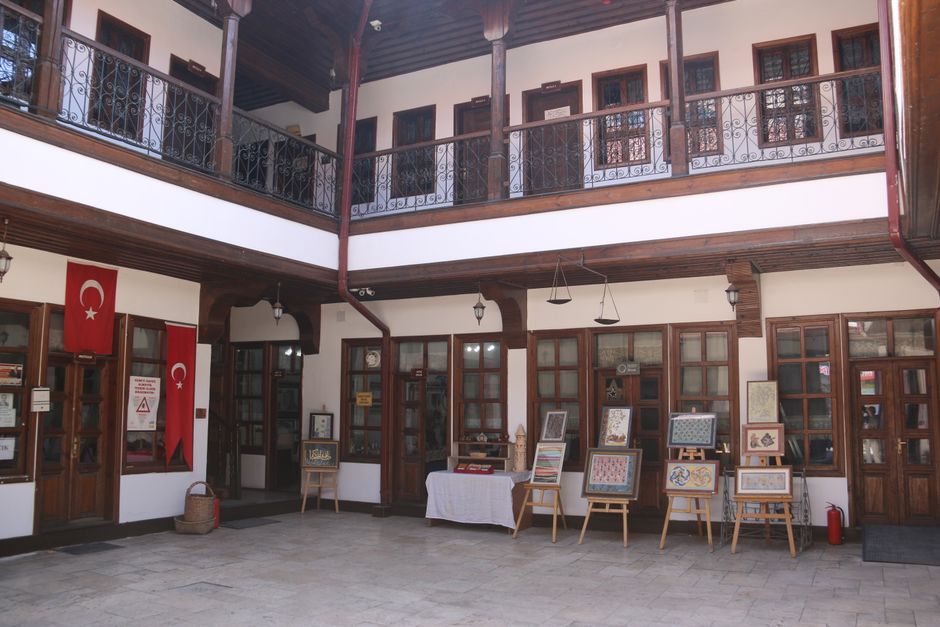
For those seeking the vanguard of textile design, the winding streets of Balat offer a concentrated dose of innovation. At the Atölye Kolektif on Vodina Caddesi, designers are currently sourcing raw silk from the Marmara region to create limited-edition garments that use zero-waste pattern cutting. The studio, which functions as both a retail space and a research laboratory, has become a focal point for buyers tracking the shift toward circular fashion. Further south, the Pera Museum has launched a collaborative series with local digital artists, blurring the lines between static exhibition and wearable tech.
Data released this week by the Istanbul Chamber of Commerce indicates that exports of boutique, independently designed clothing have surged by 14.2% since January. This growth is largely driven by a demographic of under-30 creators who leverage Instagram and TikTok to bypass traditional retail distribution. Prices at these curated shops reflect the labor-intensive nature of the output, with bespoke silk scarves starting at 4,500 Turkish Lira and tailored artisanal blazers reaching upwards of 22,000 Lira. These figures place Istanbul’s homegrown labels at a premium price point, positioning them firmly in the luxury tier of the European market.
Beyoğlu remains the geographical heart of the movement, particularly the stretch between Galata and Çukurcuma. If you are scouting for emerging talent, the Istanbul Design Biennial’s off-site pop-ups in the Tophane neighborhood provide the most accurate barometer for current trends. Many of these temporary galleries are only open Thursday through Sunday, requiring a bit of logistical planning. Visitors should prioritize the workshops near the Galata Tower, where independent jewelers are currently reviving 19th-century filigree methods with modern recycled gold.
The next three months will determine whether this momentum translates into sustained international investment. The municipal government has announced a new tax incentive program for studios located in historically registered buildings, aiming to prevent the displacement of artisans by short-term rental platforms. For the casual collector or serious buyer, the best advice is to step away from the major commercial arteries of Istiklal Caddesi. Head into the side streets near the Salt Galata library, where the most compelling creative work is being hammered, sewn, and coded behind unassuming wooden doors.
How does this story make you feel?
Spread the word
About this article
Published by The Daily Istanbul
Daily brief
Free, in your inbox before 7am. Weekdays.
More in culture