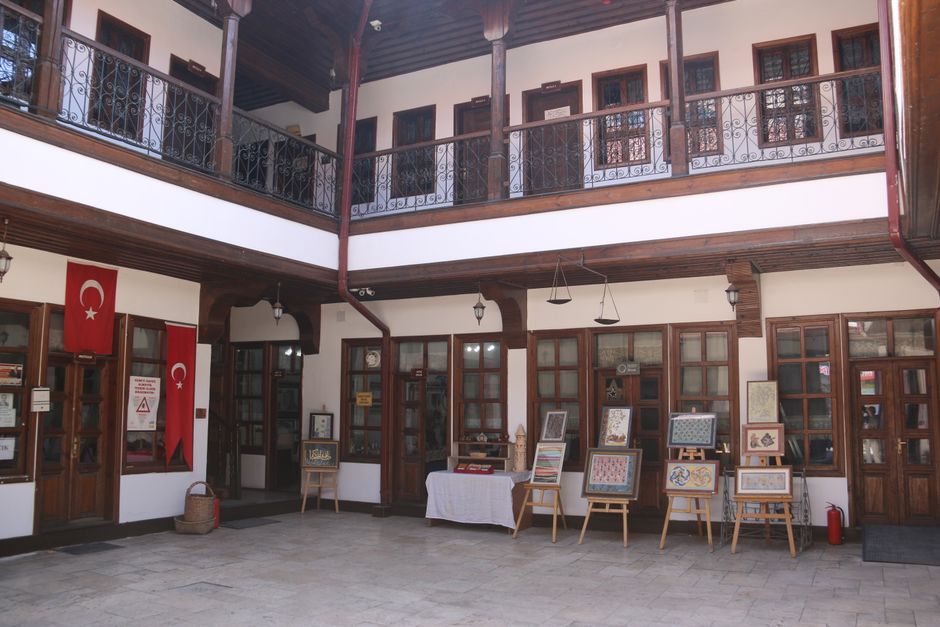
The quiet renovation of a 19th-century Greek mansion in Fener this week signals a definitive shift in Istanbul’s urban trajectory. Where developers once raced to replace crumbling masonry with sterile high-rises, the current trend favors meticulous restoration, as heritage conservation moves from the periphery of city planning to the heart of the capital’s creative identity.
This pivot matters because Istanbul is finally grappling with the erasure of its physical memory. As the Bosphorus shoreline becomes increasingly saturated with luxury global chains, local artisans and younger design studios are asserting that the city’s economic value lies in its idiosyncrasies—the peeling paint of Galata, the uneven cobblestones of Balat, and the hidden cisterns beneath our feet. By retrofitting these spaces for modern ateliers and galleries, the city is protecting a history that was nearly lost to the frantic construction boom of the last decade.
The Rebirth of Old Neighborhoods
Nowhere is this more evident than in the transformation of the Karaköy waterfront. The recently unveiled Karaköy Cultural Quarter project, overseen by the Istanbul Metropolitan Municipality’s urban planning department, has successfully preserved the facades of several industrial-era warehouses, repurposing them into studios for digital artists and independent publishers. Similarly, the ongoing work at the Suna and İnan Kıraç Foundation’s Pera Museum highlights how traditional archives can anchor a contemporary neighborhood, drawing foot traffic back to the winding streets once dominated by shipping logistics.
The financial impact of this preservationist pivot is reflected in the city’s latest real estate metrics. According to data released by the Istanbul Chamber of Commerce on July 1, properties located in designated 'Historical Conservation Zones' have seen their market value increase by 14 percent since January 2026. Conversely, modern, non-historic developments in the northern districts have seen a 3 percent dip in occupancy rates. A standard 80-square-meter restoration project in Tarlabaşı now commands an average lease price of 45,000 Turkish Lira per month, a figure that continues to climb as demand for 'authentic' historical architecture outstrips available supply.
Charting the Future of Heritage
Looking ahead, the municipal government plans to expand the 'Heritage at Risk' grants program to cover private residential properties in Kadıköy by the end of August. This program offers tax credits for owners who use historically accurate materials—such as traditional lime-based mortars and local timber—rather than modern concrete substitutes. For those visiting the city, it means the character of the urban core is likely to remain intact for the foreseeable future, provided the current commitment to adaptive reuse holds steady.
If you are exploring the city this summer, walk the alleys behind the Saint Antoine Basilica on Istiklal Street. You will see the results of this shift firsthand: scaffolding draped over Byzantine-era ruins, not to demolish them, but to reinforce the very architecture that has defined this city for sixteen centuries. Istanbul is no longer trying to look like London or Dubai; it is choosing to look, finally, like itself.